US News
Iran Halts Direct Diplomacy With U.S. Amid Rising Tensions
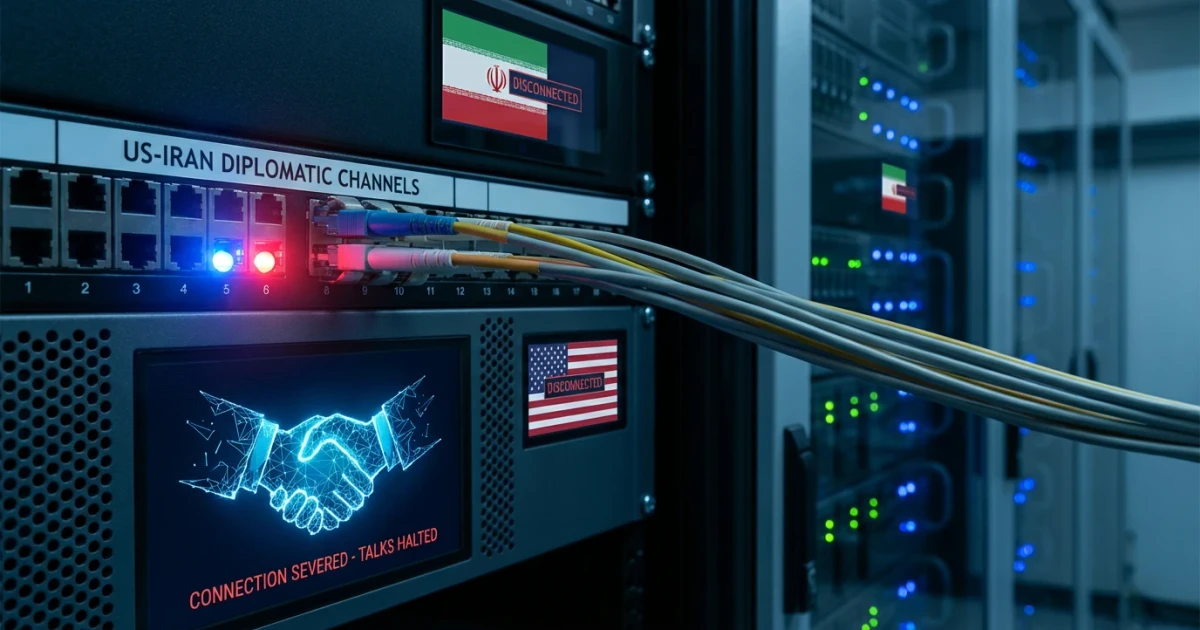
Iran has officially cut off direct diplomatic channels with the United States, a move confirmed by multiple outlets and raising fresh concerns over the future of negotiations surrounding nuclear activity and regional security.
Direct Talks Suspended Following U.S. Policy Shifts
The Wall Street Journal reported that Iran’s leadership has suspended all direct diplomatic engagement with Washington. This decision comes in the wake of mounting tensions and what Iranian officials have characterized as increasing pressure from the United States on issues ranging from nuclear activities to regional security alignments.
The halt in direct communication follows a period of sporadic backchannel discussions, which, despite being unofficial, were considered vital for de-escalating periodic crises. The move is seen as a reaction to recent U.S. deadlines and rhetoric, with Iranian leaders citing a lack of trust and tangible progress as fundamental reasons for their decision.
Public Reaction: Shock and Defiance
Coverage from The New York Times highlighted the reaction among Iranians, with many expressing a mix of surprise and defiance over both the government’s decision and recent U.S. policies. The public discourse reflects a nation bracing for further isolation but also rallying around narratives of sovereignty and resistance.
- Citizens voiced concern over economic impacts and potential escalation of regional instability.
- Some segments of society viewed the suspension as necessary pushback against what they perceive as unfair U.S. demands.
Diplomatic Context: A History of Tenuous Engagement
Direct diplomatic relations between Iran and the United States have been largely severed since 1980, with communication relying on indirect channels and third-party mediation. Occasional breakthroughs, such as the 2015 Joint Comprehensive Plan of Action (JCPOA), were achieved through painstaking negotiations but have since unraveled amid shifting policies in both Tehran and Washington.
Recent years saw limited backchannel contacts intended to address specific crises or avoid military escalation. Analysts note that the latest suspension severs one of the few remaining avenues for dialogue.
Implications for Nuclear and Sanctions Diplomacy
The breakdown in direct diplomacy raises questions about the future of efforts to limit Iran’s nuclear program and ease economic sanctions. Official records from the U.S. State Department’s 2023 compliance report detail ongoing U.S. concerns regarding Iran’s enrichment activities and adherence to international agreements.
Meanwhile, the International Atomic Energy Agency maintains a dedicated focus page on Iran’s compliance and safeguards, providing regular updates on inspections and program developments. The suspension of direct U.S.-Iran talks is likely to complicate these already fraught technical negotiations, potentially increasing the risk of misunderstanding or escalation.
International and Domestic Repercussions
Global reactions have been largely cautious, with European and Asian partners reiterating calls for dialogue and restraint. According to recent Pew Research Center surveys, Iran’s international standing remains low, with majorities in many countries viewing its policies and leadership unfavorably.
Domestically, Iranian officials are expected to leverage the suspension to harden their stance against external pressure, while the United States may turn to additional sanctions or multilateral measures. The U.S. Treasury’s Iran Sanctions Program lists active restrictions and enforcement actions, and experts anticipate the current diplomatic freeze could result in further economic tightening.
Looking Ahead
With direct lines of communication closed, the risk of miscalculation rises for both sides. Observers warn that regional stability and nuclear nonproliferation efforts may suffer unless alternative diplomatic mechanisms are established. The international community’s role in facilitating dialogue and reducing tensions will likely become even more critical in the months ahead.