US News
Iran Halts U.S. Talks, Warns of Threats to Key Waterways
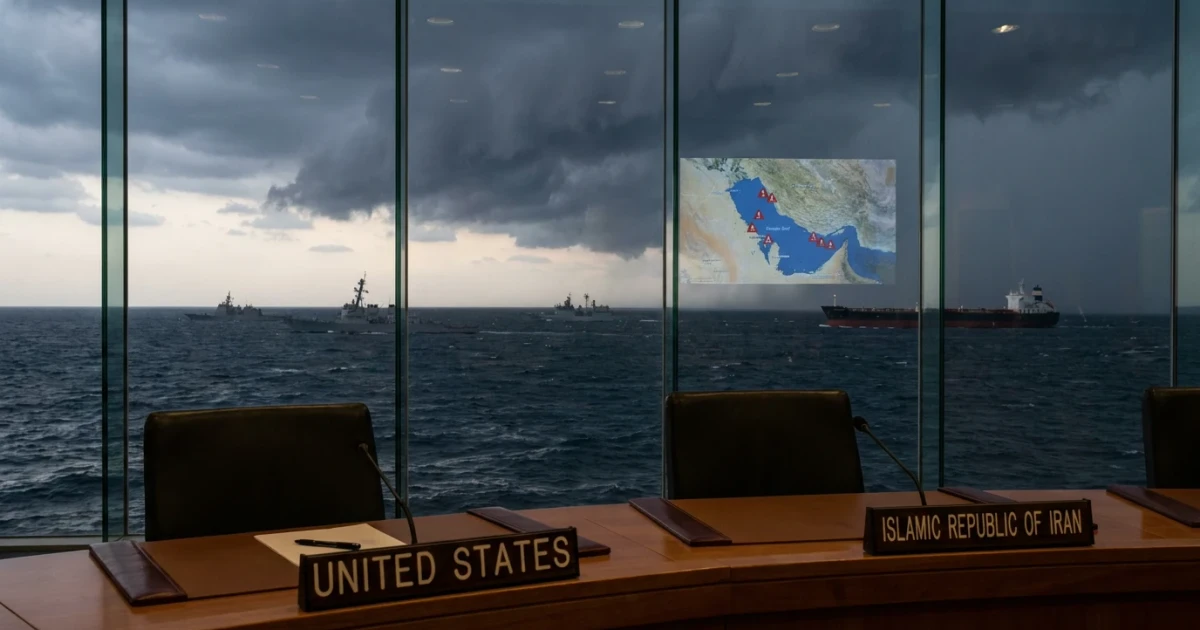
Iran has suspended diplomatic discussions with the United States following Israeli military actions in Lebanon, with state media warning of possible attacks targeting another critical shipping route in the region. The announcement has heightened fears over the security of global maritime trade and the stability of the Middle East’s strategic waterways.
Diplomatic Talks Break Down Amid Escalating Conflict
According to CBS News, Iran’s state media reported the abrupt halt of talks with the U.S., citing the ongoing Israeli strikes on Lebanon as the main reason. These developments come after weeks of heightened tensions along the Israel-Lebanon border, where regional hostilities have threatened to spill into broader conflict. With direct communications now paused, prospects for diplomatic de-escalation appear increasingly remote.
Strategic Waterways Under Renewed Threat
The Iranian government, through state-controlled outlets, signaled that attacks could soon target another vital waterway. While not naming the route, previous incidents have centered around chokepoints such as the Strait of Hormuz and the Bab el-Mandeb Strait, both crucial for the global movement of oil and goods. Disruptions in these lanes can reverberate through energy markets and international supply chains, amplifying the impact well beyond the immediate region.
- The Strait of Hormuz handles roughly a fifth of the world’s daily oil consumption, making it the world’s most significant maritime oil transit chokepoint.
- The Bab el-Mandeb Strait links the Red Sea to the Gulf of Aden and is essential for trade between Europe, Asia, and Africa.
Increased threats or attacks in these waterways have previously led to spikes in oil prices, rerouting of shipping lanes, and greater military presence by outside powers to secure passage for commercial vessels.
Regional and Global Implications
Iran’s military posture in these strategic locations is well-documented. The Council on Foreign Relations notes that Iran maintains robust naval forces capable of disrupting maritime traffic and has a record of leveraging this capacity as a tool of regional influence. The U.S. Department of State’s 2023 Country Reports on Terrorism also detail Iran’s involvement in past attacks on shipping, underscoring ongoing security concerns for international stakeholders.
Major powers, including the United States and its European allies, have frequently increased naval patrols in response to similar threats in the past, working with organizations such as the International Maritime Organization to monitor and secure commercial traffic. Any renewed attacks could force a reprioritization of resources and diplomatic efforts to contain escalation.
Energy Markets on Edge
Oil and shipping markets are acutely sensitive to instability in the Middle East’s waterways. The U.S. Energy Information Administration highlights that much of Iran’s oil and gas exports must transit these chokepoints, amplifying the stakes for global energy security. Previous disruptions have led to price surges and increased insurance costs for vessels operating in affected zones.
Looking Ahead
With Iran’s talks with the U.S. suspended and fresh threats against critical shipping routes, the risk of further escalation remains high. Diplomatic channels may be limited in the immediate term, placing the focus on military readiness, international coordination, and market resilience. Observers will be closely watching for any signs of renewed maritime attacks and their potential to widen the current crisis.