World
Iran hits Gulf states as US strikes escalate over Hormuz closure
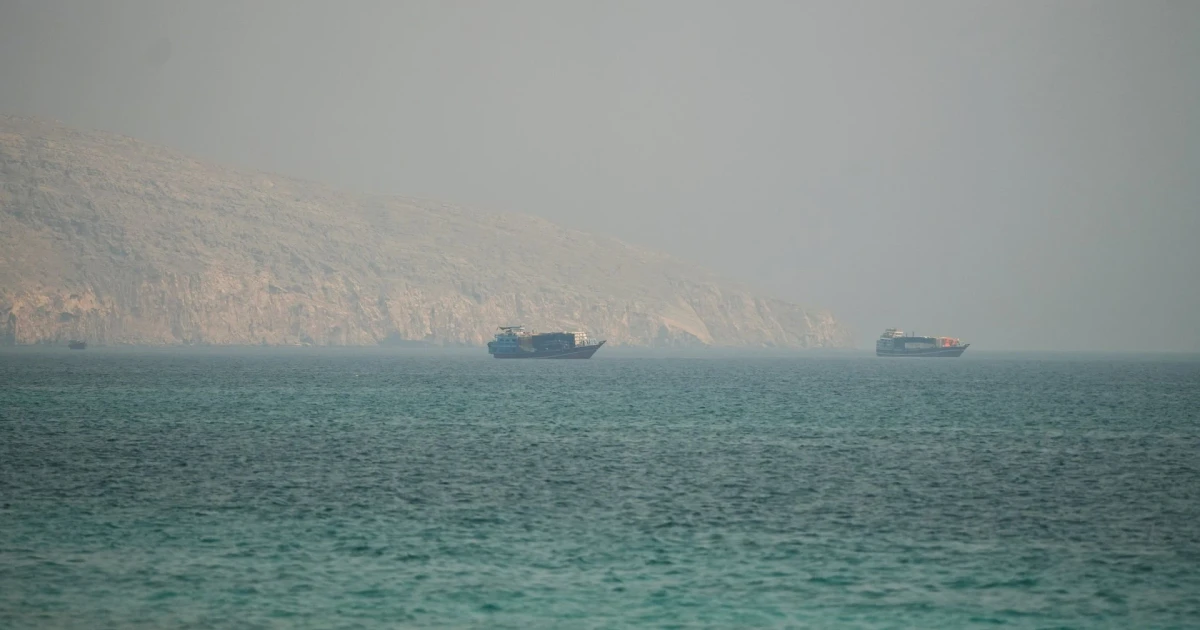
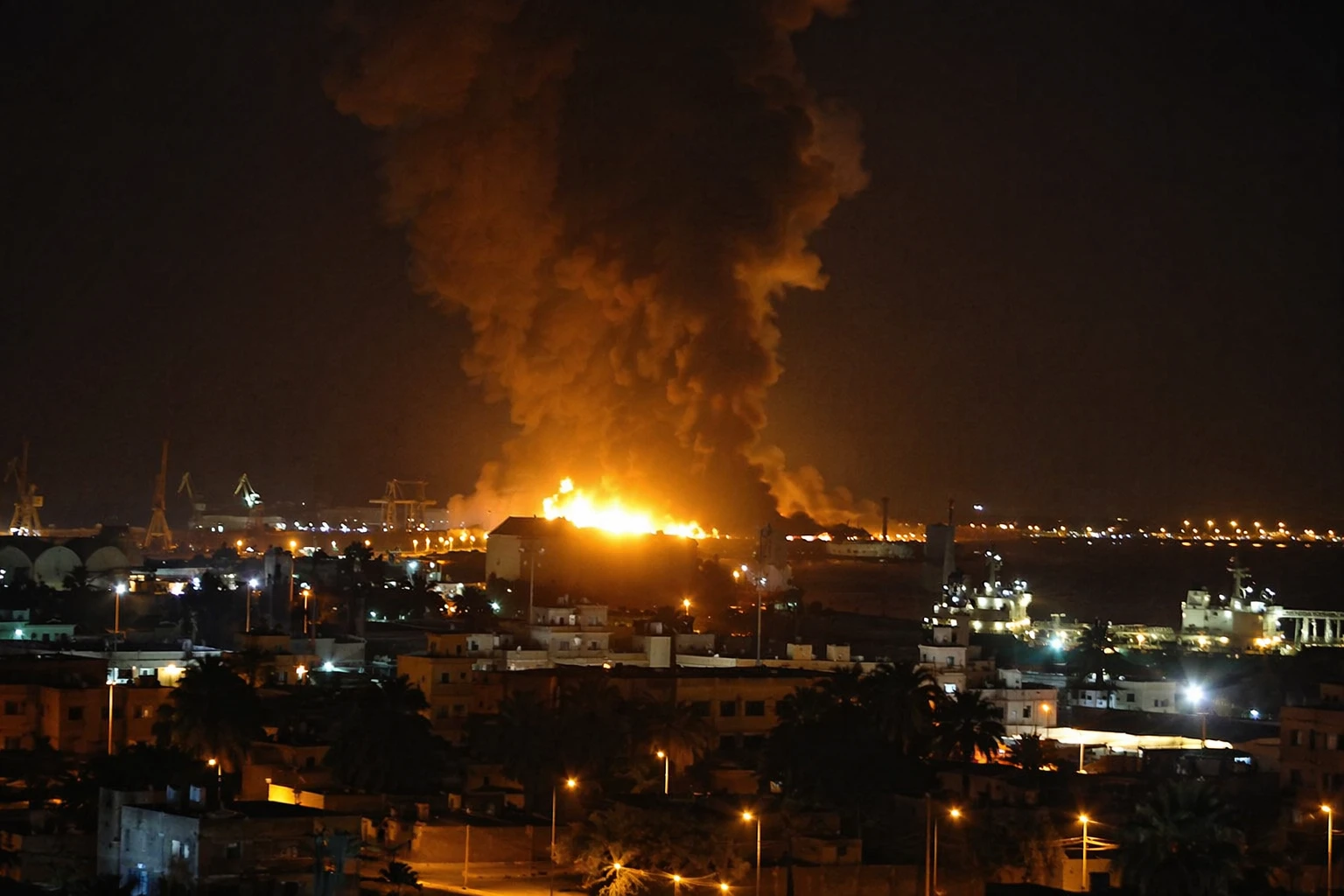
U.S. airstrikes on Iran hit about 140 targets, and missiles and drones then reached the United Arab Emirates, Qatar, Kuwait, Oman and Bahrain, widening the fight across the Gulf and raising the risk of a direct clash over the Strait of Hormuz. Three people were injured by falling shrapnel in Qatar, and Iran said it had fired at U.S. targets in Jordan after the overnight strikes.
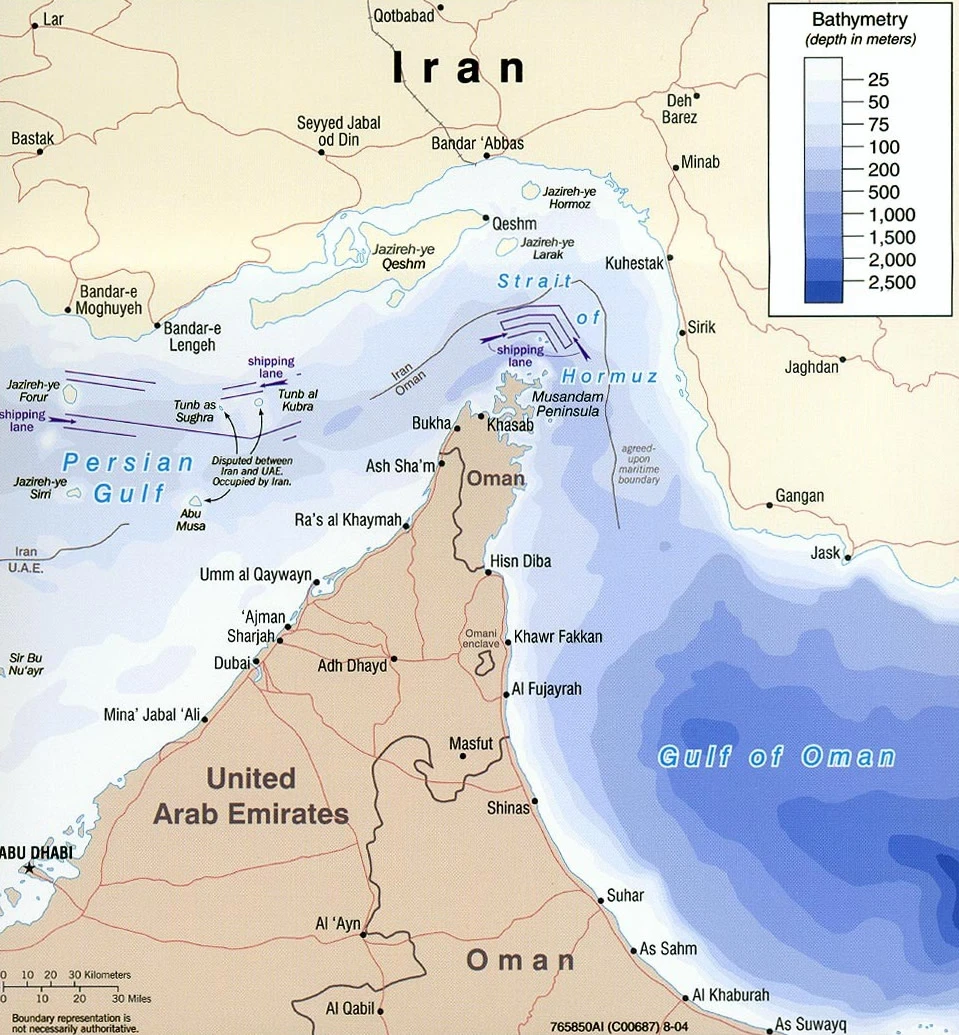
The escalation matters because the Strait of Hormuz is one of the world’s most important energy arteries. The International Energy Agency says about 20 million barrels a day of crude oil and oil products were shipped through the strait in 2025. At its narrowest point, the waterway is only 29 nautical miles wide, with two-mile-wide navigable channels and a two-mile buffer zone, leaving a small margin for error if ships are threatened, delayed or rerouted.
The U.S. Energy Information Administration says roughly one-fifth of global petroleum liquids consumption and around one-fifth of global LNG trade pass through the strait. A closure, or even a sustained disruption, would push up transport costs, tighten supply chains and likely add pressure to gasoline and diesel prices in the United States, where refiners and shippers depend on stable flows through the Gulf. Oil markets would have to price in not just lost barrels, but the risk that tankers, ports and insurance routes become harder to move through safely.
The Congressional Research Service says Iran’s efforts to disrupt Gulf energy commerce in 1987 and 1988 pulled it into direct conflict with the United States. The same analysis says a prolonged disruption of Middle East oil trade would create market conditions without historical precedent, a warning that now hangs over the latest exchange of fire. With U.S. Central Command saying it struck roughly 140 targets, including missile and drone launch sites, naval assets and ammunition storage facilities, the military dimension of the crisis is already expanding beyond one retaliatory cycle.
For Washington, the sequence is now stark: bombing Iran, retaliation against Gulf states, and a higher chance that U.S. forces will be drawn deeper into defending shipping lanes that carry a major share of the world’s oil and gas.
Sources
- [1]news.google.com
- [2]iea.org
- [3]eia.gov
- [4]congress.gov
- [5]aljazeera.com
- [6]nytimes.com
- [7]apnews.com