World
Iran Issues Threats to Global Tourism Sites Amid U.S. Troop Deployments
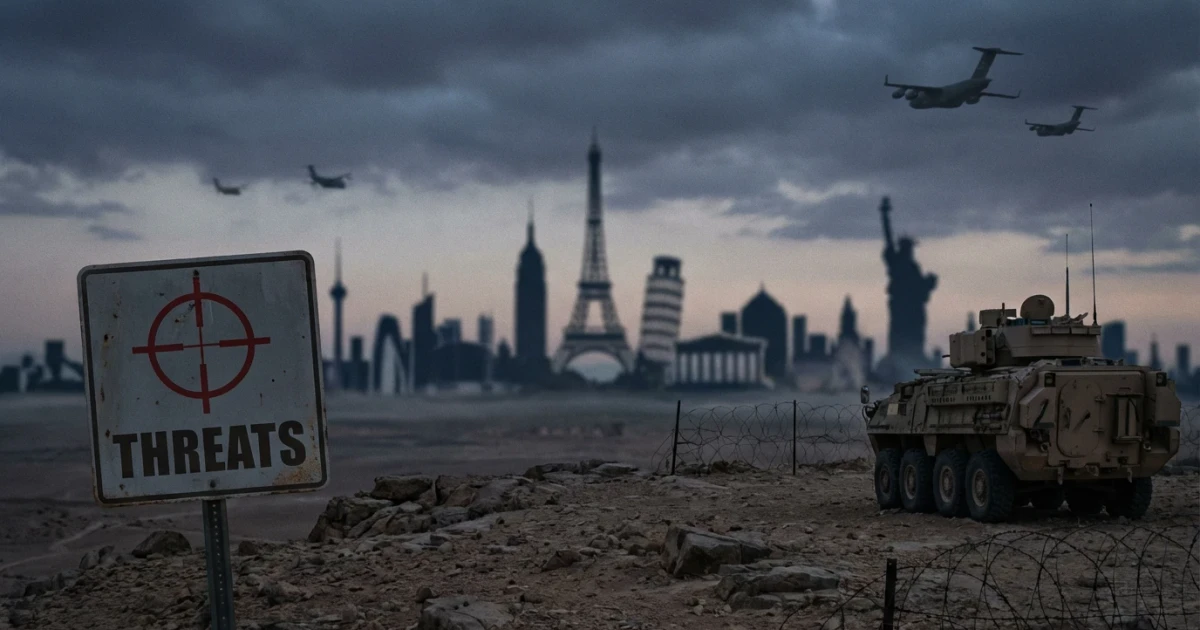
Iran has issued new threats targeting world tourism sites, raising alarms among the international community as the United States responds by increasing its Marine deployments across the Middle East. The escalating tensions add fresh concerns for both the tourism industry and regional security, as officials and analysts weigh the potential impact on global travel and diplomatic relations.
Iran's Threats Target World Heritage and Tourism Sites
Iran’s warnings have explicitly referenced threats against world heritage locations and popular tourism destinations, many of which attract millions of visitors annually. These sites, recognized for their cultural and historical significance, are considered global treasures under the protection of international conventions such as those established by UNESCO.
- The Middle East region is home to dozens of UNESCO World Heritage sites spanning Iran, Iraq, Egypt, and beyond.
- Tourism statistics show that millions of international arrivals visit these sites each year, contributing significantly to local economies.
The threats have prompted warnings from international organizations and have led to increased security measures at popular landmarks. According to recent reporting, such threats have the potential to disrupt global tourism flows, mirroring impacts seen during previous geopolitical crises.
U.S. Responds with Increased Military Presence
In direct response to Iran’s threats, the United States has announced the deployment of additional Marines to the Middle East. The move is intended to bolster security for U.S. personnel, diplomatic missions, and allied interests in the region.
- Official records from the U.S. Department of Defense confirm new troop movements and deployments as part of their ongoing commitment to regional stability.
- The U.S. has a longstanding presence in the region, with forces stationed at key bases and involved in joint security operations with regional partners.
The deployments have been framed as precautionary, designed to deter potential attacks and reassure allies amid heightened tensions. The U.S. government has also signaled its commitment to protecting international tourism and cultural heritage sites from threats.
Global Impact on Tourism and Security
The combination of Iran’s threats and increased U.S. military activity has raised concerns among tourism operators and international agencies. Past incidents have shown that perceived risks can quickly lead to declines in tourist arrivals, especially in regions deemed unstable.
- Data from the UNWTO International Tourism and COVID-19 Dataset demonstrates how geopolitical instability and security incidents have historically led to sharp decreases in tourism flows.
- Tourism revenue is a vital source of income for many Middle Eastern countries, and any sustained downturn could have significant economic repercussions.
International organizations, including UNESCO and the United Nations World Tourism Organization, have called for the protection of cultural sites and for de-escalation of tensions to ensure the safety of both visitors and local communities.
Background: Iran's Regional Activities and Threat Landscape
Iran’s threats against tourism sites form part of a broader pattern of regional activities that have drawn international scrutiny. The U.S. Department of State’s Country Reports on Terrorism documents Iran’s history of targeting international interests and highlights the ongoing risks posed by its strategic posture in the Middle East.
Research from organizations such as the Heritage Foundation and the Center for Strategic and International Studies (CSIS) provides in-depth analysis of Iran’s capabilities and motivations, noting that threats to soft targets such as tourism infrastructure are a recurring concern for security planners.
Looking Ahead
With tensions still high, observers are closely watching for further developments. The situation highlights the interconnectedness of global security and tourism, underscoring the need for international cooperation to protect both travelers and the world’s shared heritage sites. As authorities monitor conditions on the ground, the hope is that diplomatic channels will ultimately prevail, preserving both regional stability and the integrity of irreplaceable cultural landmarks.