US News
Iran Issues Warning to US Navy Amid Strait of Hormuz Tensions
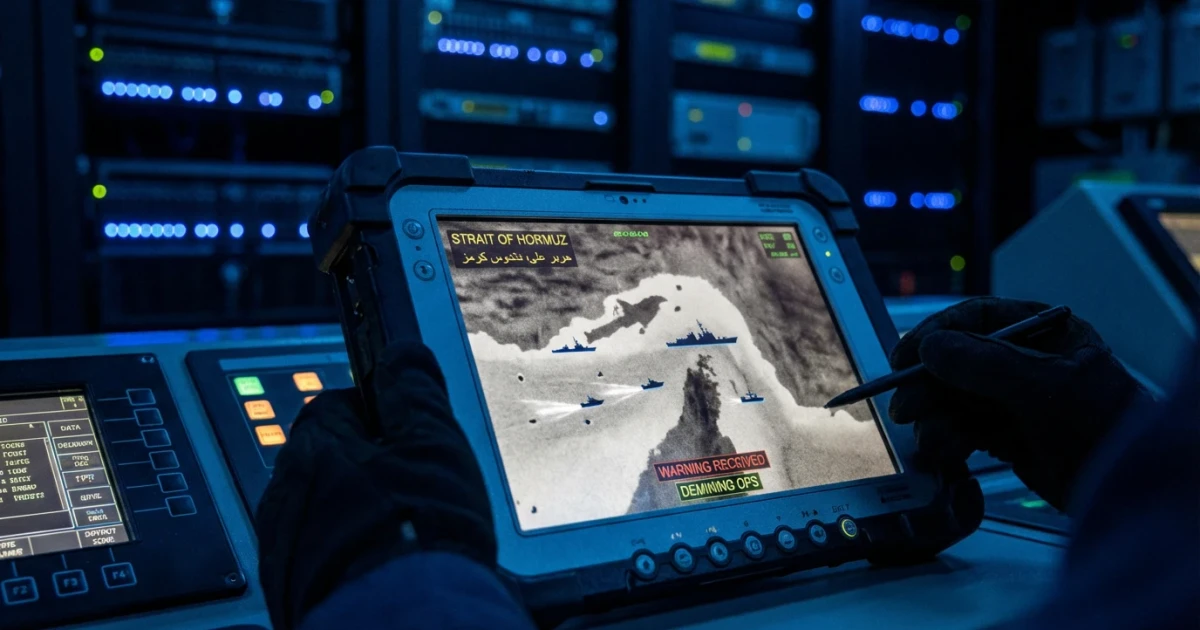
Tensions escalated in the Strait of Hormuz this week as Iranian forces issued a direct radio warning to US naval warships conducting a demining operation. The incident, reported by both The Hill and Fortune, highlights the persistent volatility in one of the world's most strategically significant waterways.
US Navy Demining Operations Prompt Iranian Warning
According to The Hill, US naval destroyers entered the Strait of Hormuz as part of a Central Command (CENTCOM) coordinated demining effort. This operation comes amid ongoing concerns about maritime security in the passage, which facilitates the transit of a substantial portion of global oil shipments each day.
- The US Navy's presence in the strait is part of a broader initiative to ensure freedom of navigation and maintain the safety of commercial shipping lanes.
- CENTCOM confirmed the deployment of US naval assets, emphasizing the routine and defensive nature of the operation.
Iran's Radioed Threat: 'This is the Last Warning'
During the US-led demining exercise, Iranian naval forces reportedly issued a stern radio transmission to the US warships. Both The Hill and Fortune cited the warning: "This is the last warning."
Fortune characterized the exchange as a "throw down the gauntlet" moment, framing the incident as a high-stakes standoff with implications for control over the strait. While no shots were fired, the verbal exchange has heightened scrutiny on both sides' intentions and readiness to escalate.
Strategic Importance of the Strait
The Strait of Hormuz is a critical chokepoint linking the Persian Gulf to global energy markets. Data from the US Energy Information Administration indicates that roughly one-fifth of the world's petroleum liquids consumption passes through this narrow waterway, making any disruption a matter of international concern.
- The strait is only about 21 miles wide at its narrowest point.
- It serves as the sole maritime passage from the Persian Gulf to the open ocean for several major oil-exporting countries.
Military Posture and Maritime Security
The US maintains a regular naval presence in the region, citing commitments to maritime security and counter-mine operations. Iran, meanwhile, views increased US activity as a direct challenge to its sovereignty and regional influence.
Both countries have previously conducted military exercises and exchanged warnings over the strait. Analysts note that Iran's naval capabilities are tailored for asymmetric warfare, including the use of fast attack boats, mines, and anti-ship missiles, which could pose significant risks to shipping and military vessels.
International Response and Risk Assessment
While no immediate escalation followed the latest radio exchange, the incident has prompted renewed calls among international stakeholders for de-escalation and adherence to established maritime security protocols. Past confrontations in the area have led to disruptions and price volatility in global energy markets.
Looking Ahead
As both the US and Iran continue to assert their positions in the Strait of Hormuz, the risk of miscalculation remains a concern for global trade and security. Ongoing dialogue and clear communication channels are seen as essential to preventing further escalation in this strategically vital region.