World
Iran Launches Missiles at UAE, Drones Target Tanker in Strait of Hormuz
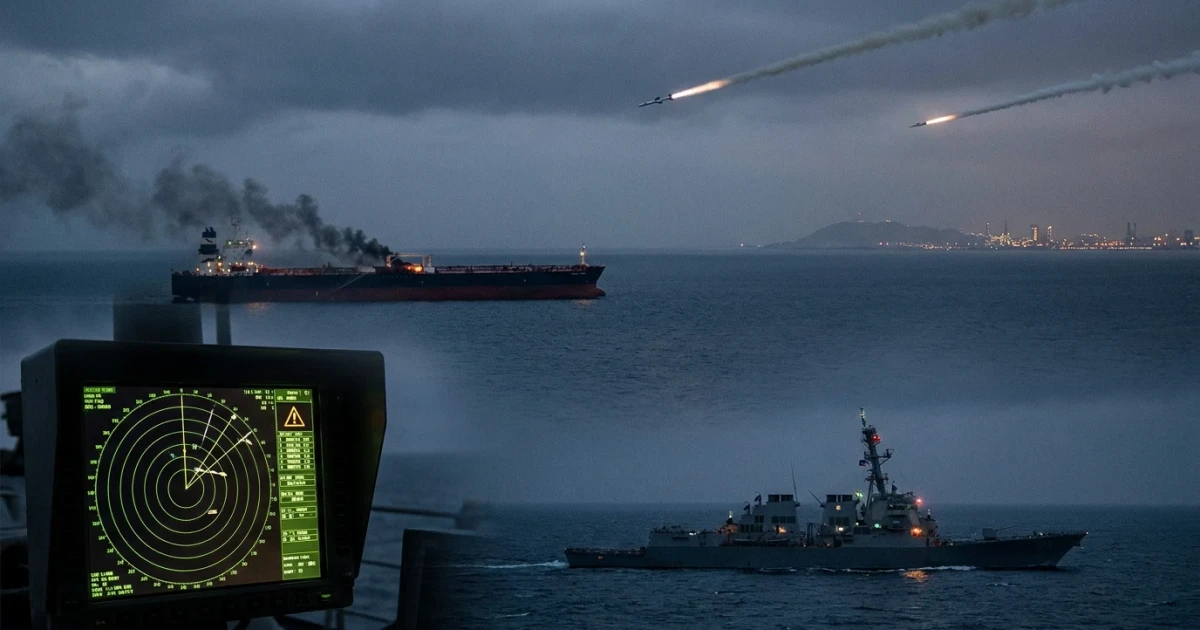
Heightened tensions erupted in the Persian Gulf as Iran launched missiles at the United Arab Emirates (UAE) and deployed drones targeting a commercial tanker in the Strait of Hormuz, according to multiple official sources and live reports from CBS News. The United States announced its naval forces are actively guiding ships through the critical waterway amid the flare-up, while the UAE reported intercepting the missiles and responding to drone-related fires at oil facilities.
Missile and Drone Attacks Escalate Gulf Tensions
The situation unfolded as Iranian forces fired missiles at targets in the UAE. Emirati officials confirmed their air defense systems intercepted the missiles, averting potential large-scale damage. Simultaneously, Iranian drones targeted a commercial oil tanker navigating the Strait of Hormuz, one of the world’s most crucial maritime chokepoints for global energy supply. CBS News reported that one drone strike sparked a fire at an oil facility, though the extent of the damage remains unclear.
- UAE authorities confirmed interception of missiles and said emergency crews contained the resulting fire from the drone incident.
- The targeted oil tanker’s identity and the full impact of the attack have yet to be publicly disclosed.
- The U.S. Navy, which maintains a significant presence in the region, said it is actively guiding commercial ships through the Strait of Hormuz to ensure safe passage.
Strait of Hormuz: Strategic and Economic Significance
The Strait of Hormuz is a vital waterway through which approximately one-fifth of the world’s oil supply passes, making it a frequent flashpoint for regional and international security concerns. According to data from the U.S. Energy Information Administration, the UAE is a major oil exporter, and any disruption in this region has direct implications for global energy markets. The U.S. Maritime Administration tracks thousands of tanker transits annually through the strait, highlighting the vulnerability of these routes to geopolitical instability.
U.S. Naval Presence and Maritime Security Measures
In response to the attacks, U.S. military officials stated their naval assets are guiding and protecting commercial vessels in the area. The International Maritime Organization has long warned of the risks posed by disputes and armed incidents in the Strait of Hormuz, urging all shipping operators to follow the latest security guidelines and cooperate with naval escorts when available.
Regional and International Implications
Iran’s missile and drone activity marks a significant escalation in its ongoing regional tensions, particularly with Gulf states such as the UAE. The attacks also come against a backdrop of UN Security Council sanctions targeting Iran’s missile program and military activities. The Council on Foreign Relations notes that Iran’s military strategy increasingly relies on missile and drone capabilities, which pose complex challenges for regional defenses.
While no casualties have been reported so far, the incidents underscore the vulnerability of energy infrastructure and maritime traffic in the Gulf. Experts warn that further escalation could disrupt oil supplies and heighten global energy prices.
What Happens Next?
As emergency responses continue and investigations into the attacks unfold, regional and international actors are closely monitoring the situation. The U.S. is expected to maintain heightened naval operations in the Strait of Hormuz to safeguard shipping lanes, while Gulf states assess potential security enhancements for critical energy infrastructure.
With the Strait’s strategic importance and Iran’s willingness to use advanced weaponry, analysts caution that the coming days will be crucial in determining whether this flare-up remains contained or triggers broader confrontation in the region.