World
Iran launches retaliatory strikes on US infrastructure in Kuwait, Bahrain
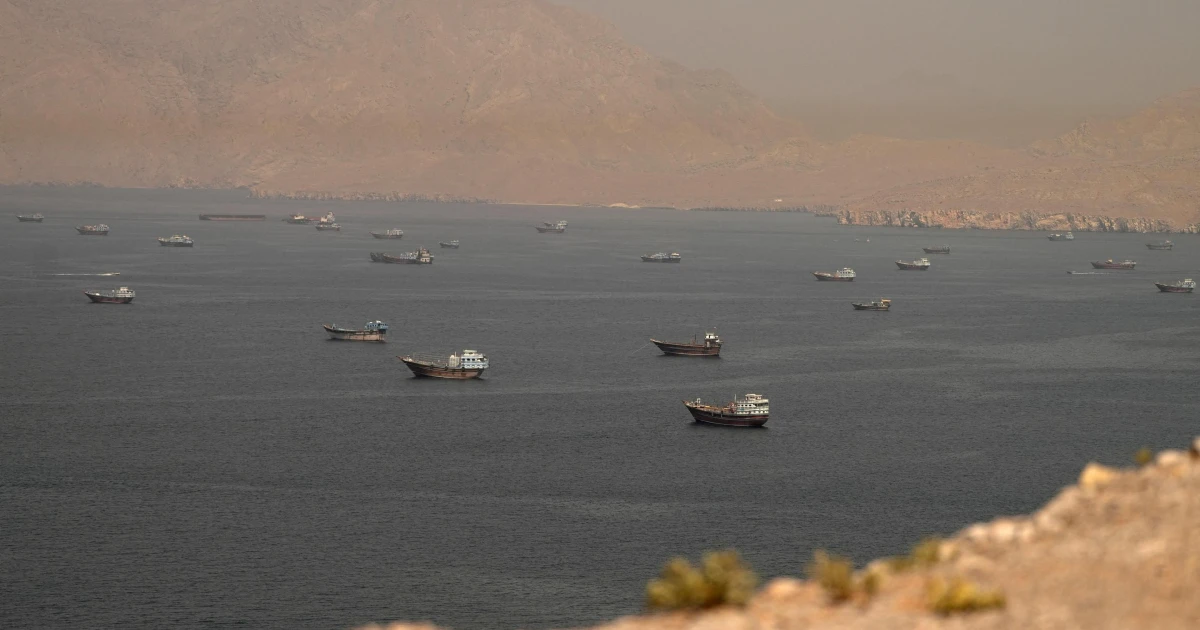
Iran said it launched missile strikes at U.S. bases in Kuwait and Bahrain after the United States carried out new attacks on Iranian military infrastructure tied to a fresh wave of shipping incidents in the Strait of Hormuz. The exchange widened a maritime security crisis into direct confrontation between Washington and Tehran, with Bahrain and Kuwait activating air raid sirens as projectiles were intercepted, according to the U.S. military.
The latest U.S. strikes hit Iranian missile and drone storage sites, coastal radar sites, surveillance infrastructure, communication systems, air-defense sites and drone storage facilities. U.S. officials described the action as limited and defensive, saying it was carried out after an Iranian drone attack on a cargo ship in the strait that broke a ceasefire agreement reached last week. A Singaporean cargo ship was hit on Thursday, and a Panama-flagged tanker was struck a day later by a one-way drone attack; no crew members were injured in the tanker incident and no leakage was reported from its cargo.
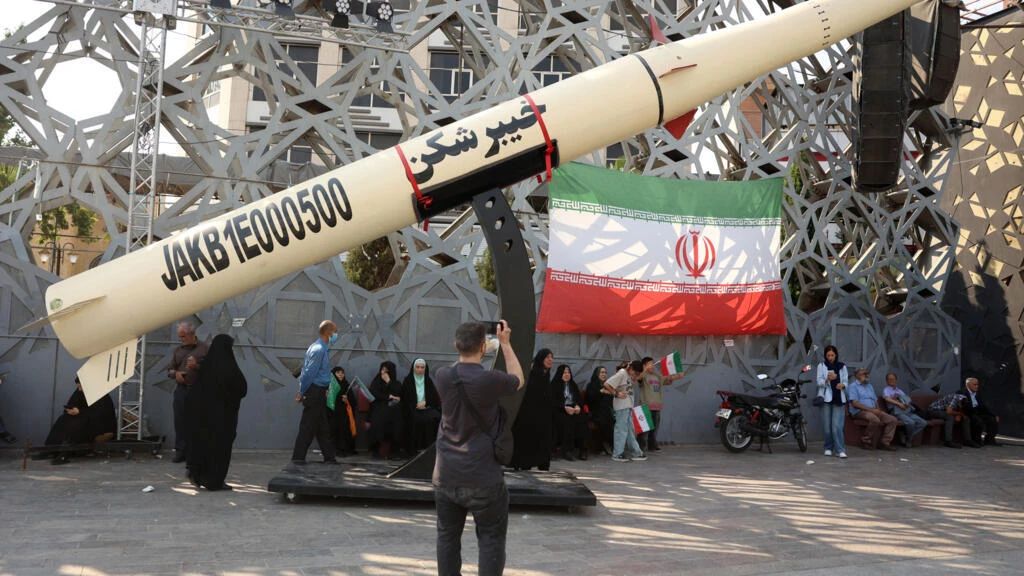
U.S. Central Command said it would continue to provide safe passage coordination and support for commercial vessels transiting the waterway, one of the world’s most important shipping arteries. The region already hosts around 50,000 U.S. troops, along with two aircraft carriers, destroyers, submarines and Marines aboard the USS Tripoli and accompanying ships, underscoring the risk that any further retaliation could pull in a far larger American force.
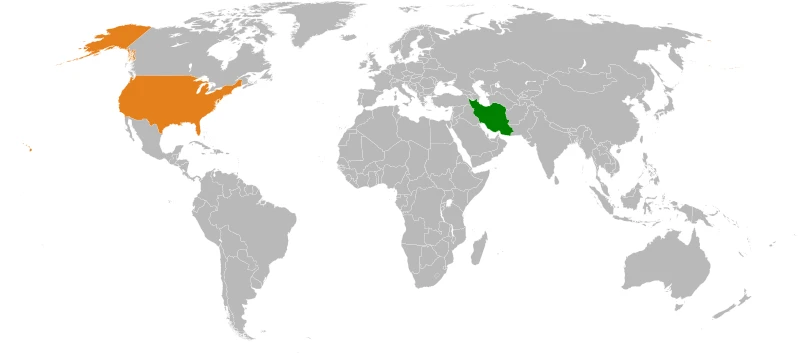
The diplomatic channel remains fragile. Reuters said Pakistani and Qatari mediators have been involved in negotiations between the United States and Iran, even as both sides accuse the other of violating the ceasefire first. Vice President JD Vance said Iran could “pick up the phone” if it had concerns about how the memorandum was being applied, rather than escalate. But the sequence of attacks has pushed Gulf states closer to the center of the crisis, with Kuwait and Bahrain already forced to sound alarms during the June 6 strikes and with the Strait of Hormuz again serving as the flashpoint for a conflict that now threatens commercial shipping, regional bases and the flow of oil through one of the world’s most sensitive chokepoints.
Sources
- [1]bbc.co.uk
- [2]usnews.com
- [3]politico.com
- [4]aljazeera.com
- [5]efe.com