World
Iran Lifts International Internet Restrictions After Blackout
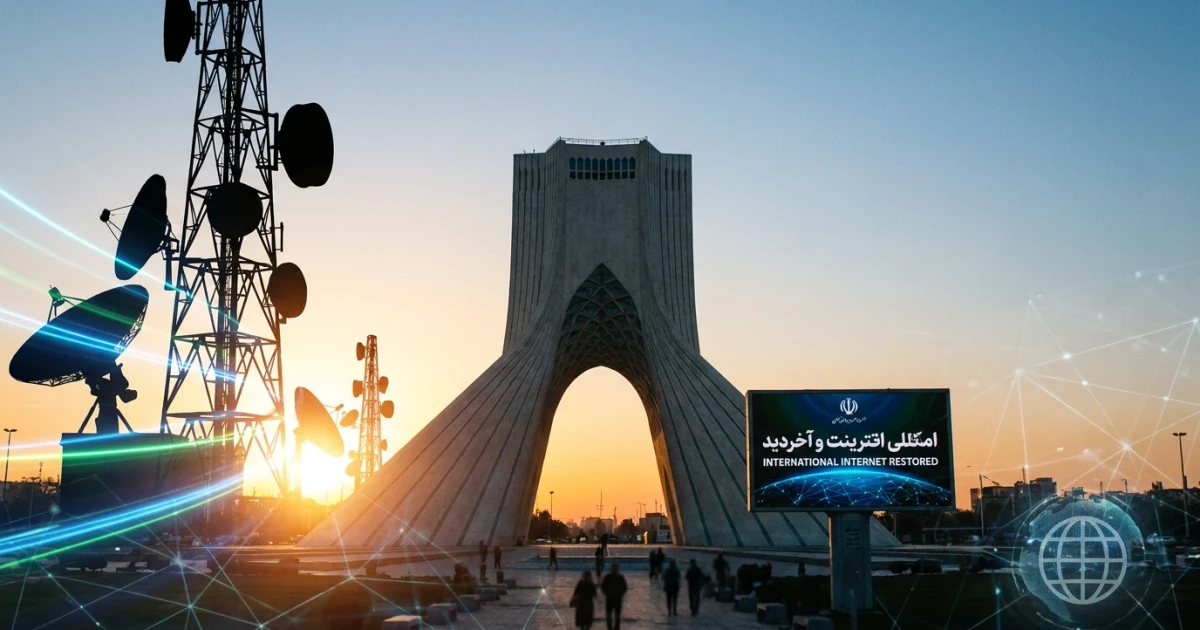
Iran's president has ordered the restoration of international internet access after a prolonged wartime blackout, state media reported on Saturday, marking a significant shift in connectivity for millions of Iranians who faced severe digital isolation in recent weeks.
Government Restores Access After Wartime Disruption
The decision to reinstate global internet connectivity follows a period in which Iran imposed strict internet disruptions and blackouts amid heightened security concerns and wartime tensions. According to Reuters and NDTV, state media announced the president's directive, signaling the government's intention to ease digital restrictions that had limited citizens to exclusively domestic online services for an extended period.
Impact of the Blackout
- International connectivity was largely blocked, with only Iran's national intranet remaining functional for most users.
- Global platforms and key communication tools—including messaging apps, social media, and many news sources—became inaccessible for both individuals and businesses.
- According to technical watchdogs such as NetBlocks, the blackout severely impacted tens of millions of Iranian internet users who rely on international services for communication, education, and commerce.
Presidential Directive and State Media Announcements
Both Reuters and NDTV report that state media were the first to announce the president's directive to restore international internet access. The precise timing and scope of the restoration were not immediately detailed, but the announcement was met with anticipation by citizens and observers monitoring the situation closely.
Context: Internet Shutdowns in Iran
Internet shutdowns are a recurring tool for Iranian authorities during periods of unrest or conflict. Freedom House notes that Iran has a longstanding record of restricting internet access during protests and security crises, often justifying such measures as necessary for national security. However, these shutdowns carry significant social and economic costs, disrupting daily life and limiting access to information.
- According to the #KeepItOn campaign, Iran is among the top countries globally for documented internet shutdowns in recent years.
- Legal analysis from Article 19 highlights ongoing debates about the legitimacy and proportionality of such disruptions under international law.
Economic and Social Repercussions
The recent blackout underscored the critical role of the internet in Iran's economy and society. Small businesses, students, and families were among those most affected by the loss of access to international services. According to Statista's internet usage data, Iran has over 80 million internet users, making the country highly dependent on digital connectivity for everyday activities.
Looking Forward
While the president's order is expected to gradually restore full international connectivity, experts point out that the government retains substantial technical and legal means to restrict access in the future. Civil society organizations and digital rights advocates continue to call for greater transparency and safeguards to protect open internet access for all Iranians.
The restoration is being closely watched both domestically and internationally, as observers seek to understand whether it signals a lasting policy shift or a temporary measure in response to public and economic pressure.