World
Iran Maintains Defiance as Pressure Mounts in Strait of Hormuz
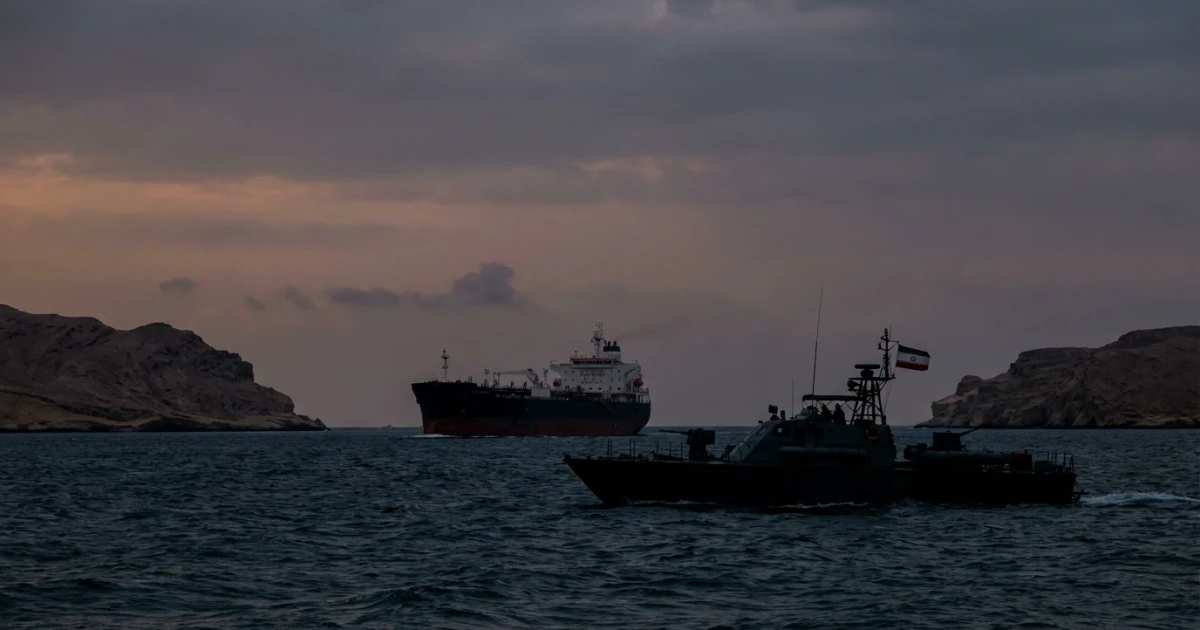
Iran continues to project resilience and defiance in the face of significant losses and escalating international pressure, as tensions over control of the Strait of Hormuz remain a focal point for global energy security. Iranian authorities insist that the strategic waterway will stay open to international shipping, with the notable exception of vessels they deem ‘enemy-linked.’
Strait of Hormuz: A Critical Chokepoint
The Strait of Hormuz is a vital maritime passage through which roughly a fifth of the world’s traded oil passes, making it central to both energy markets and geopolitical stability. With ongoing sanctions and the threat of military escalation, the region’s stability is under constant scrutiny. Data from the UNCTADstat Maritime Transport database highlights the immense volume of global shipping traffic navigating this narrow corridor, underscoring the potential impact of any sustained disruption.
Iran’s Stance Amid Sanctions and Setbacks
Despite suffering heavy losses—both in terms of military assets and economic stability—Iranian leadership has repeatedly indicated that they will not capitulate to international demands. The Washington Post reports that Iran’s position reflects a blend of strategic calculation and domestic political necessity, with leaders seeking to maintain a posture of strength in the face of adversity. This approach is consistent even as sanctions have sharply curtailed oil exports and economic growth.
- Sanctions have targeted Iran’s energy sector, banking system, and military procurement, as detailed in UN Security Council records.
- Iran’s military forces remain substantial but have absorbed material and personnel losses in recent confrontations.
Selective Access and Maritime Security Risks
In public statements, Iranian officials have reiterated that the Strait of Hormuz remains open to all international shipping, with one exception: vessels identified as ‘enemy-linked’ may face restrictions or denial of passage. Reuters coverage confirms that Iran’s government is framing this policy as both a matter of national security and a proportional response to perceived threats from adversarial states.
This selective approach has heightened concerns among maritime operators and energy importers. The International Maritime Organization’s maritime security guidelines call for the free flow of commerce through international straits, and any disruptions could pose significant risks to global energy supplies and shipping insurance costs.
Resilience and Domestic Pressures
Analysts cited by The Washington Post suggest that Iran’s refusal to give in—despite mounting costs—is driven by a combination of strategic resolve and domestic political imperatives. Nationalist sentiment remains strong, and the government seeks to avoid the perception of weakness. At the same time, the economic bite of sanctions and the threat of further international isolation create a tense balancing act for Tehran.
Key Factors in Iran’s Approach:
- Economic survival amid reduced oil revenues
- Deterrence signaling to regional and global rivals
- Internal political stability and regime legitimacy
Outlook: Tensions Remain High
While Iran’s losses—military and economic—are significant, the country’s leadership continues to pursue a policy of strategic defiance. Their willingness to keep the Strait of Hormuz open, but only on their terms, underscores the region’s volatility. International actors, including energy importers and naval coalitions, are closely watching developments and preparing for possible disruptions.
Looking ahead, sustained pressure on Iran’s economy and military may eventually force a recalibration. For now, however, Iran’s leaders appear committed to their current course—betting that resilience and selective engagement in the Strait of Hormuz will provide leverage in an uncertain geopolitical landscape.