US News
Iran Moves to Close Strait of Hormuz as Ceasefire Deadline Looms
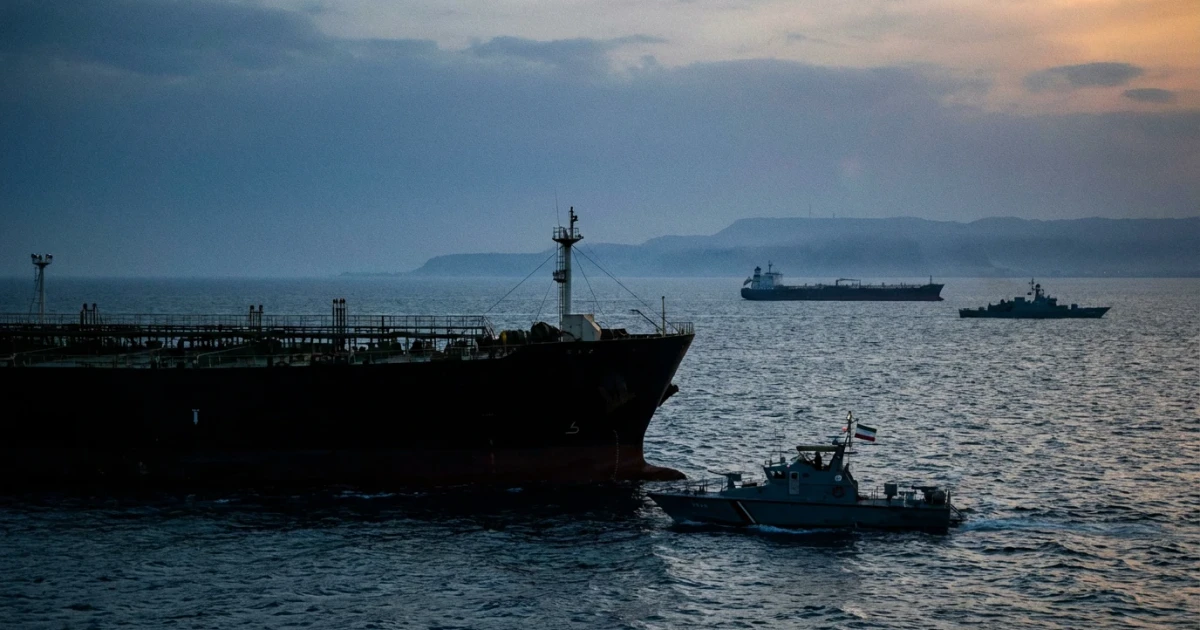
Iran has intensified its push to close the strategic Strait of Hormuz as a ceasefire in the ongoing conflict nears expiration, casting uncertainty over global energy markets and regional security. Reports from Politico indicate that the waterway is now largely closed, with negotiations between involved parties showing little progress toward a lasting agreement.
The Strait’s Strategic Importance
The Strait of Hormuz serves as one of the world’s most critical maritime chokepoints. According to the U.S. Energy Information Administration, nearly one-fifth of global oil supply passes through the narrow strait each day, making its continued closure a significant threat to international energy markets. The Congressional Research Service notes that more than 21 million barrels of oil per day transited the strait in recent years, underscoring its strategic value to both producers and consumers worldwide.
Iran’s Calculated Escalation
Politico’s latest reporting highlights that Iranian authorities have reinforced their commitment to restricting passage through the strait, citing lack of progress in ceasefire negotiations. As the deadline for the current ceasefire approaches, Iranian officials have publicly stated that the parties remain "far from [a] final deal." While no direct quotes were provided, Iran’s posture signals mounting frustration with diplomatic efforts and a willingness to leverage the strait for political pressure.
Impact on Global Shipping and Oil Markets
Maritime data from the U.S. Maritime Administration shows a dramatic reduction in vessel traffic through the Strait of Hormuz since Iran began implementing tighter controls. Oil tankers and cargo ships have been forced to reroute or idle, heightening concerns over potential supply disruptions and price volatility on international markets. Energy analysts warn that extended closure could drive up oil prices, strain consumer economies, and prompt emergency responses from major importing nations.
- Nearly 21 million barrels of oil per day typically transit the Strait of Hormuz
- Over one-fifth of global oil consumption relies on unhindered passage
- Key trade partners in Asia, Europe, and North America are directly affected
International Diplomatic and Security Response
The United Nations Security Council and other bodies have previously enacted sanctions and resolutions aimed at maintaining maritime security in the Gulf region. The current situation, according to the U.S. House Committee on Foreign Affairs, has renewed calls for international cooperation to ensure the free flow of commerce. However, with Iran doubling down and negotiations stalled, options for de-escalation appear limited in the short term.
What Comes Next?
As the ceasefire window closes, all eyes remain on Tehran and the Gulf. The continued closure of the Strait of Hormuz threatens to upend established energy flows and could escalate into a broader regional crisis if left unresolved. For now, the world waits for a diplomatic breakthrough—or braces for further disruption as Iran holds firm on its strategic leverage.