Iran Names New Supreme Leader Amid Israeli Strikes
Iran’s leadership transition unfolds as Israel intensifies strikes on strategic fuel depots, escalating regional tensions.

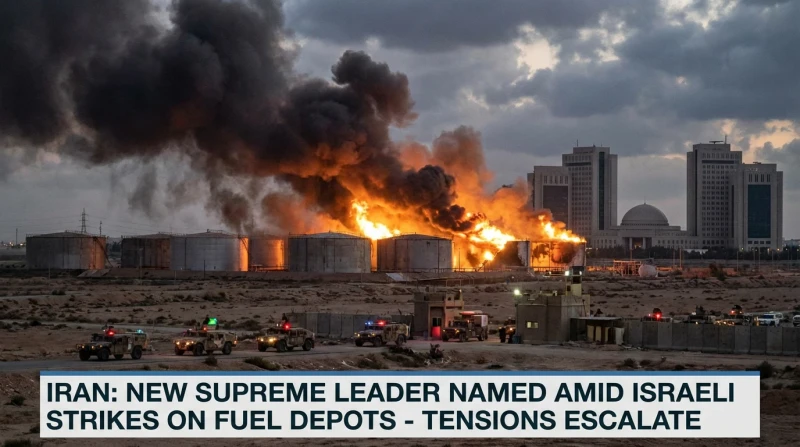
Iran has appointed a new supreme leader, according to official statements, marking a pivotal moment for the country as it faces a surge in military strikes from Israel. The announcement, first reported by The Washington Post, comes during a period of heightened regional pressure and uncertainty about Iran’s future direction.
Leadership Transition in Iran
The selection of a new supreme leader is a rare and significant event in Iran’s political system, where the supreme leader holds ultimate authority over domestic and foreign policy. The process, outlined in detailed analyses of Iran’s leadership structure, involves the Assembly of Experts, a powerful clerical body responsible for appointing and, if necessary, dismissing the supreme leader. The identity of the new leader has not yet been officially disclosed, but government officials have confirmed the selection has been completed.
This leadership change is expected to influence Iran’s regional strategy and its response to ongoing external pressures, including military actions and international sanctions. The supreme leader wields direct control over the military, the judiciary, and major state appointments, making the transition closely watched by both domestic factions and foreign governments.
Israeli Strikes Escalate Tensions
In the hours following Iran’s announcement, Israel launched a new wave of strikes targeting fuel depots and other strategic sites within Iran. According to The Washington Post, Israeli officials warned they would continue to target “every successor,” signaling that the strikes were intended both as a direct military action and as a message to Iran’s evolving leadership.
- Israeli strikes reportedly focused on critical fuel infrastructure, disrupting supply chains and impacting Iran’s energy sector.
- The attacks come amid broader tensions over Iran’s regional activities and its support for allied groups in the Middle East.
Israel’s warning heightens the risk of further escalation, with potential consequences for energy markets and regional security. Military analysts note that targeting fuel depots serves both to pressure Iran’s economy and to limit its military capabilities, as fuel is essential for the operation of the Islamic Revolutionary Guard Corps (IRGC) and other armed forces.
International and Regional Implications
The leadership transition and the intensification of Israeli strikes have drawn attention from international observers and regional governments. Previous United Nations sanctions and resolutions have targeted both Iran’s military infrastructure and its energy exports, and the latest developments could prompt further diplomatic efforts or punitive measures.
Human rights organizations and official reports from the UN Office of the High Commissioner for Human Rights continue to monitor the situation, noting that changes in leadership often coincide with shifts in domestic policy and potential impacts on civil liberties.
Looking Ahead
Iran’s appointment of a new supreme leader and the ongoing Israeli strikes create a volatile environment with significant geopolitical ramifications. Analysts suggest that the new leader’s approach toward foreign policy, military engagement, and economic management will shape not only Iran’s trajectory but also the broader stability of the Middle East.
As details about the new supreme leader emerge and Israel maintains its posture of military pressure, the international community will be watching closely for signs of escalation or opportunities for diplomatic engagement. For now, Iran stands at a crossroads, balancing internal transformation with external challenges that could redefine its role in the region.

Andrea Vigano
Health and science correspondent specializing in translating medical research into clear, human stories. Covers public health, clinical breakthroughs, and the policy decisions that affect patient care.