Sports
Iran, New Zealand meet for first World Cup clash amid tensions
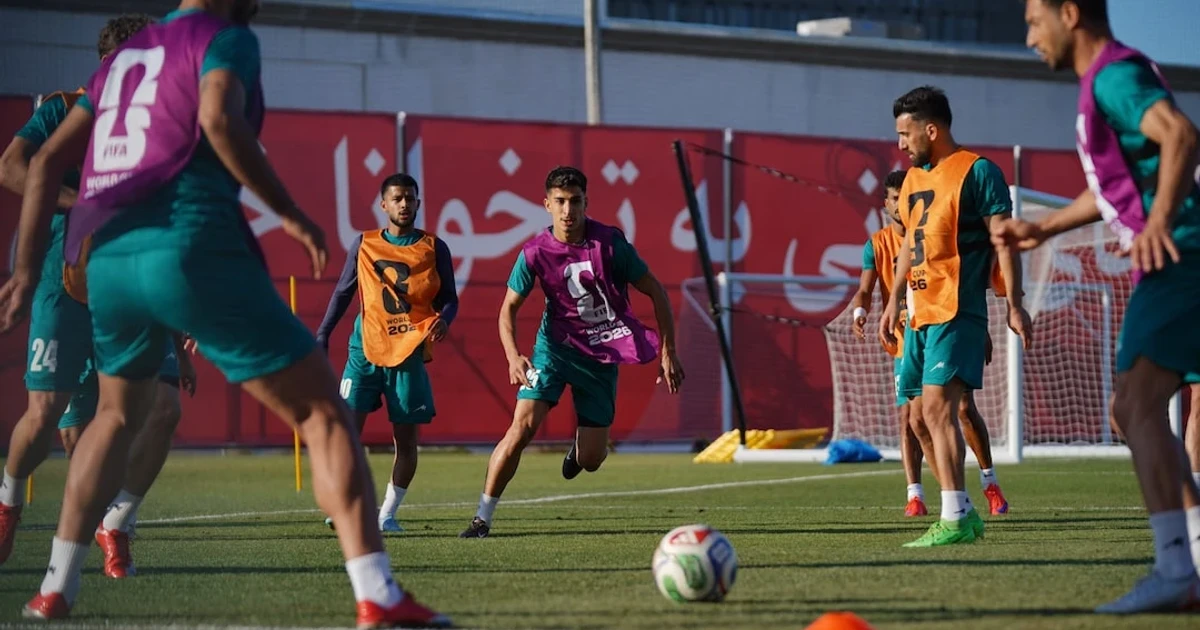
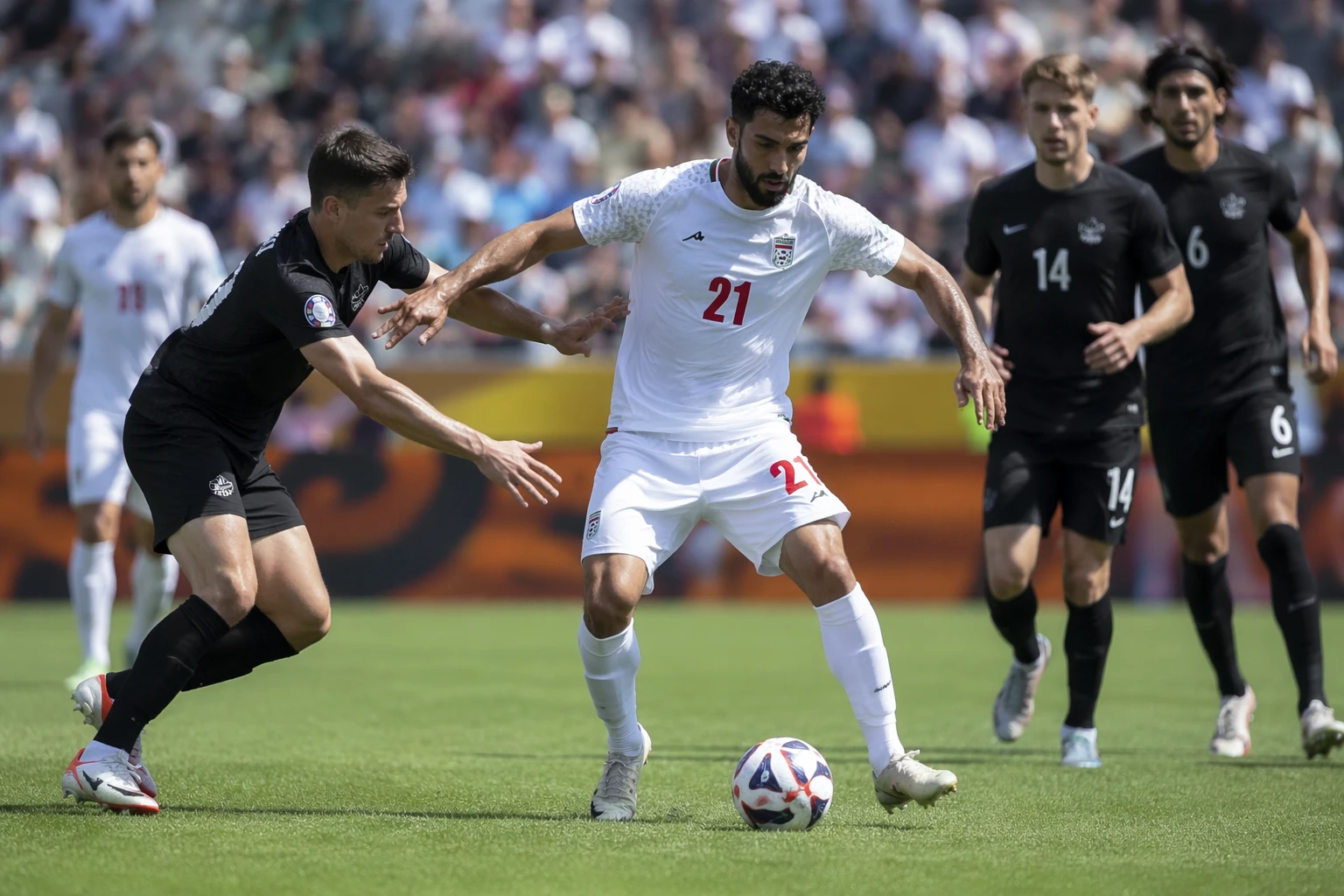
A first World Cup meeting already gave Iran and New Zealand a rare stage, but the Group G opener at Los Angeles Stadium carried a larger meaning for both sides. Kickoff came at 01:00 local time on 16 June 2026, inside a tournament that runs from 11 June to 19 July, and the result sat inside a wider question about whether New Zealand can turn an occasional return into something more lasting.
For New Zealand, this was a return after 16 years away, with the last World Cup appearance coming in 2010. That absence made the opening match more than a fixture: it was a measure of whether the New Zealand Football Association can sustain a program that reaches the finals repeatedly, not just once in a generation. Against a more established World Cup presence, New Zealand needed discipline, compact spacing and the kind of psychological steadiness that smaller football nations often must build in order to survive long stretches without the ball.
The stakes were felt beyond the tactics board. FIFA’s match centre listed the game as Match 15, and its preview described Iran and New Zealand as clashing for the first time at a FIFA World Cup in the city of angels. New Zealand officials had been uncertain whether their Iranian counterparts would even attend the match-day pageantry, a reminder that World Cup football can be shaped as much by diplomacy as by pressing schemes and set pieces.
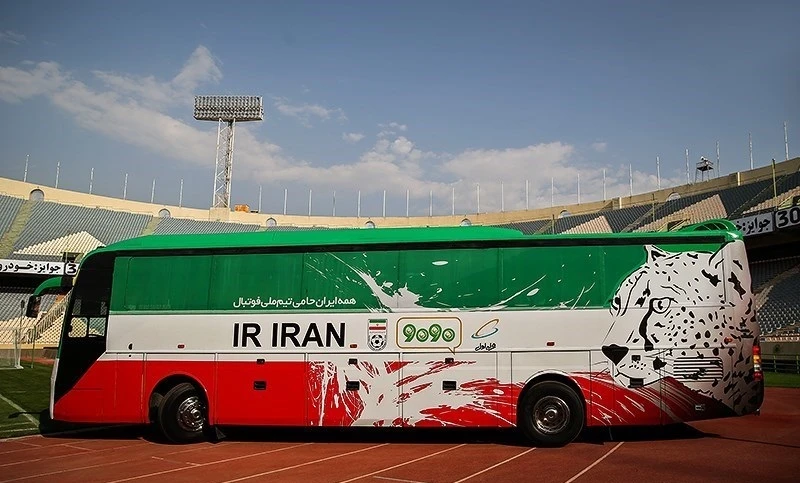
Iran arrived under that same pressure. POLITICO reported that Iranian soccer staff were denied visas for the World Cup, calling it the latest diplomatic standoff between Washington and Tehran just days before kickoff in North America. Iran’s ambassador to Mexico, Abolfazl Pasandideh, said Iran’s presence in the United States should be read as a gesture of goodwill, a framing that turned the match into a test of public image as much as sporting form.
The human strain reached into the stands as well. The Independent reported that some Iranian American fans in the United States were torn over whether to support Iran amid political turmoil. That conflict underscored how the World Cup can compress national identity, migration, and protest into one night.
For New Zealand, the opener offered a sharper objective than a good showing. A result against Iran would strengthen the case that the All Whites can compete structurally, tactically and mentally with stronger football nations, and that a team returning after 2010 can become a recurring presence rather than a brief exception.
Sources
- [1]news.google.com
- [2]fifa.com
- [3]politico.com
- [4]independent.co.uk