World
Iran nuclear deal announced, Obama touts verification and sanctions relief

The nuclear accord with Iran landed in Washington as a diplomatic triumph, but its durability depended on mechanics, not applause. Barack Obama cast the agreement as a way to block Iran from getting a nuclear weapon, while the White House said the deal would rely on verification rather than trust and would pair sanctions relief with strict compliance.
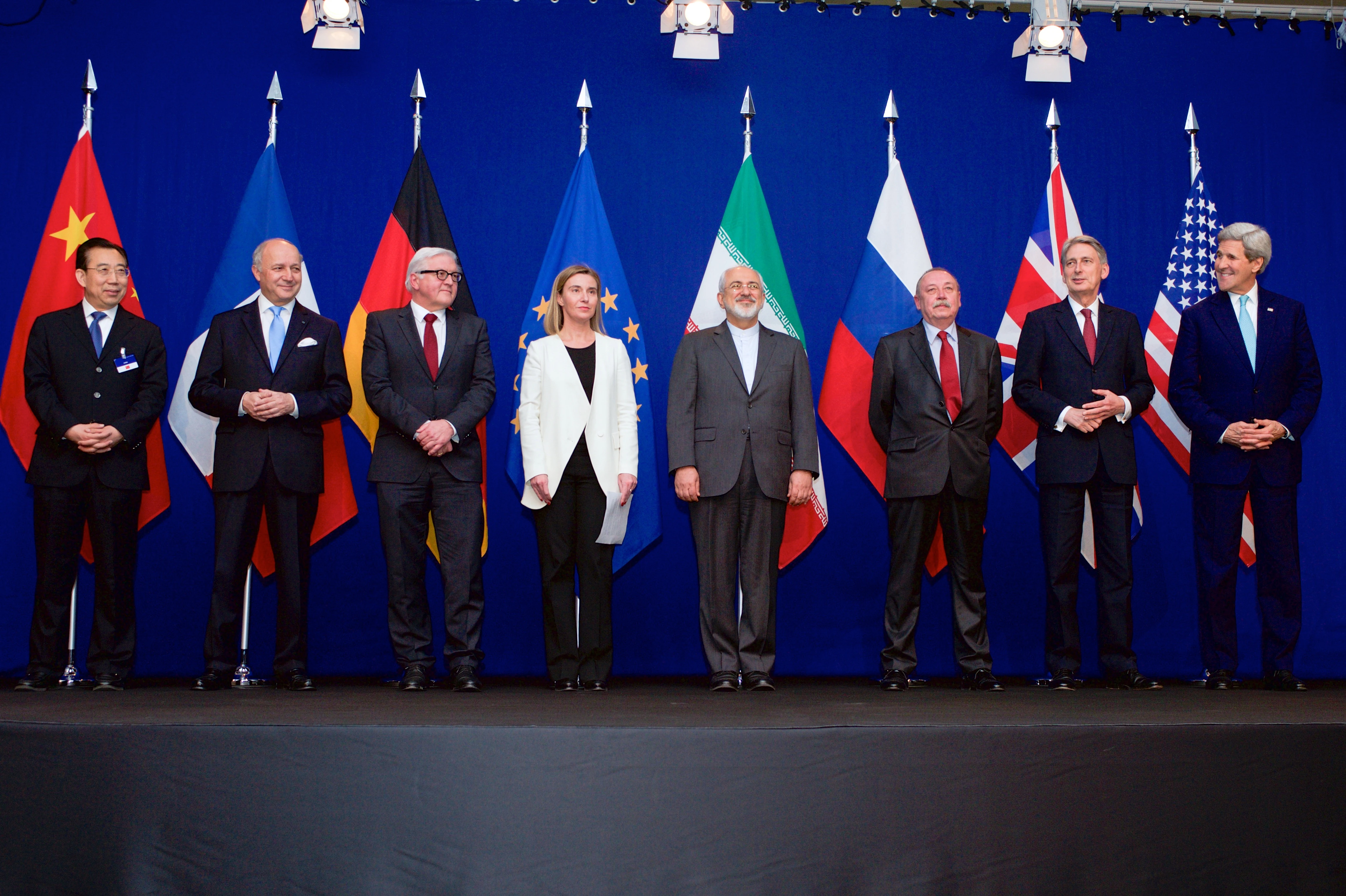
The Joint Comprehensive Plan of Action was announced July 14, 2015 in Vienna after about two years of negotiations among the United States, the five other world powers in the P5+1, the European Union and Iran. Under the agreement, Iran said it would cut its enriched-uranium stockpile by 98 percent, remove roughly two-thirds of its installed centrifuges and submit to an intrusive international inspection regime. The White House also said the Arak reactor would be modified so it could not produce weapons-grade plutonium, a central safeguard in a deal built to slow every path to a bomb.
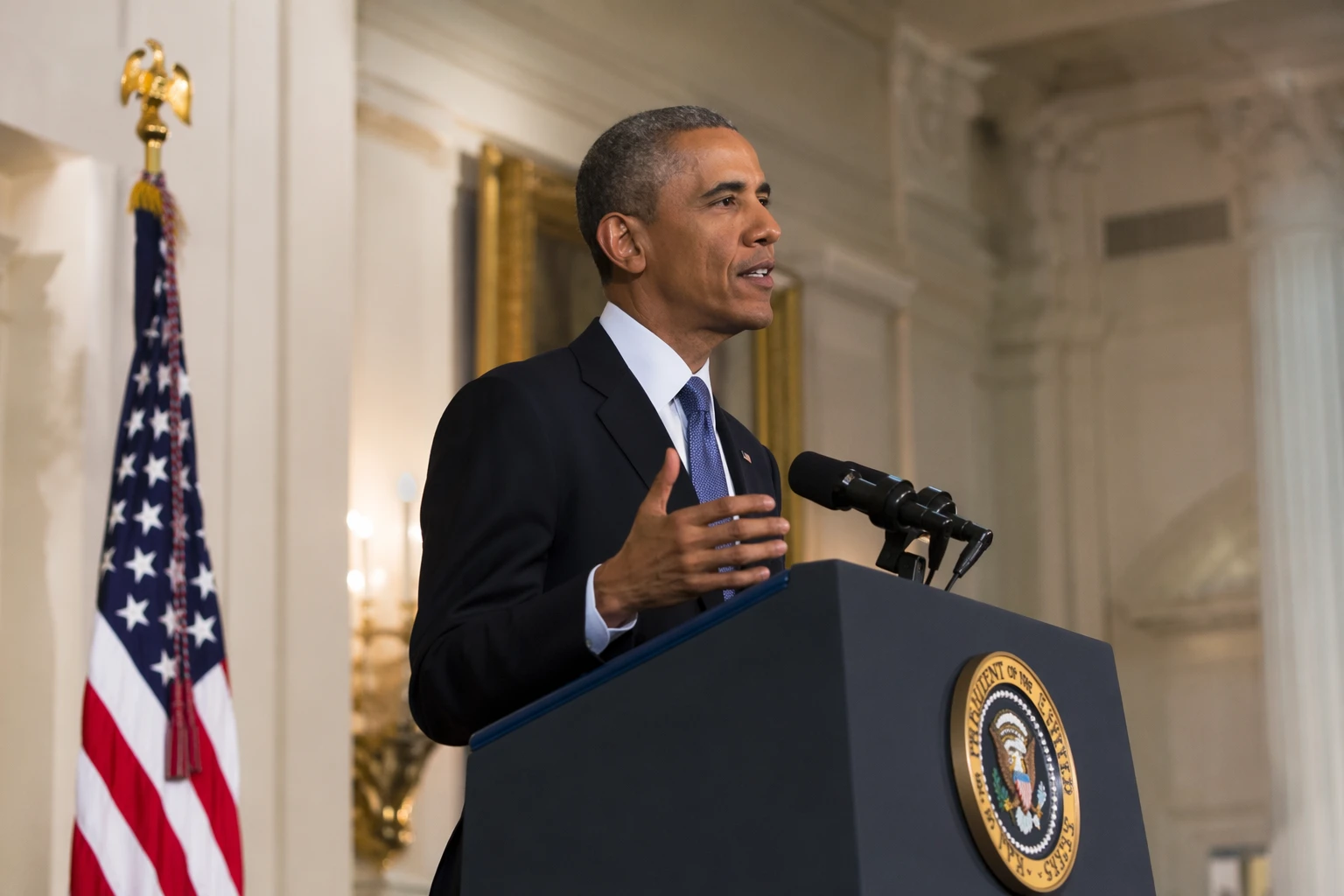
The political celebration did not erase the harder question: what would happen if Tehran cheated, delayed or simply waited out the clock? The deal allowed sanctions relief only in phases as Iran complied, and it included a snapback mechanism meant to restore penalties if Iran violated the accord. That enforcement structure, more than the signing ceremony in Vienna, would determine whether the agreement held or unraveled under pressure.
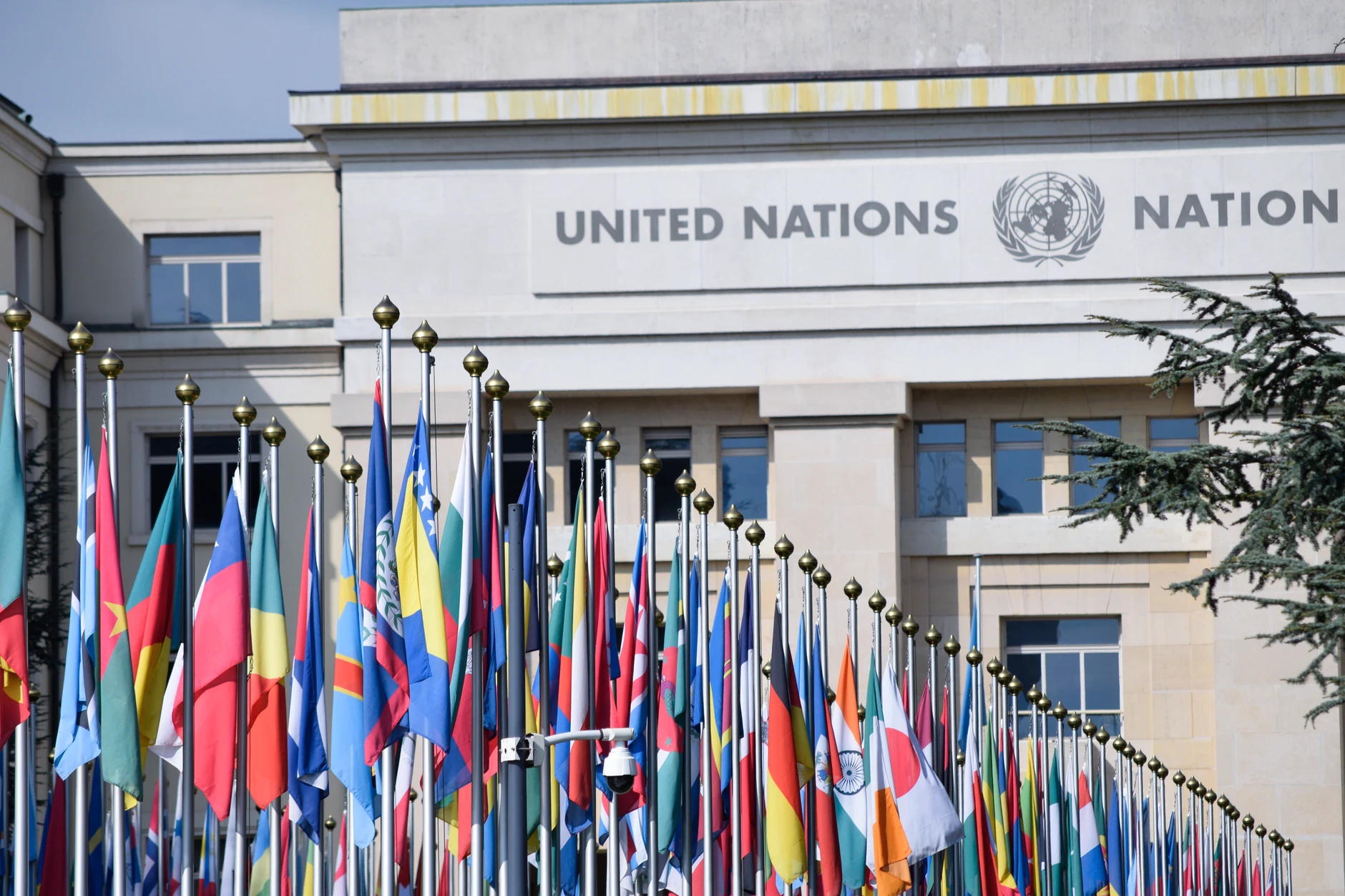
The fight moved quickly to Capitol Hill. The United Nations Security Council endorsed the JCPOA on July 20, 2015, and Congress then entered a 60-day review period under the Iran Nuclear Agreement Review Act. Sen. Bob Corker authored that law, which blocked the president from waiving or suspending sanctions before lawmakers could approve or reject the final agreement. The review gave the deal a political obstacle course at a moment when Republican leaders in Congress were already skeptical.
Opposition was immediate and fierce. Israeli Prime Minister Benjamin Netanyahu denounced the agreement as a “historic mistake” and warned it would deliver Iran a “cash bonanza of hundreds of billions of dollars.” Critics argued that the accord could leave Iran closer to a nuclear weapon once some limits expired and could free up money for regional activism across the Middle East. Supporters countered that the alternative was worse, and that the deal could avert war and create the first opening in years for broader change in U.S.-Iran relations. The real measure, though, was never the celebration. It was whether inspectors could verify every promise, whether sanctions could snap back if Iran broke one, and whether the political coalition behind the accord could survive long enough to make it matter.
Sources
- [1]bbc.com
- [2]obamawhitehouse.archives.gov
- [3]brookings.edu
- [4]politico.com
- [5]foreign.senate.gov
- [6]gov.il