US News
Iran on Edge: Leadership Fears US Strike Could Spark Mass Protests and Threaten Regime Stability
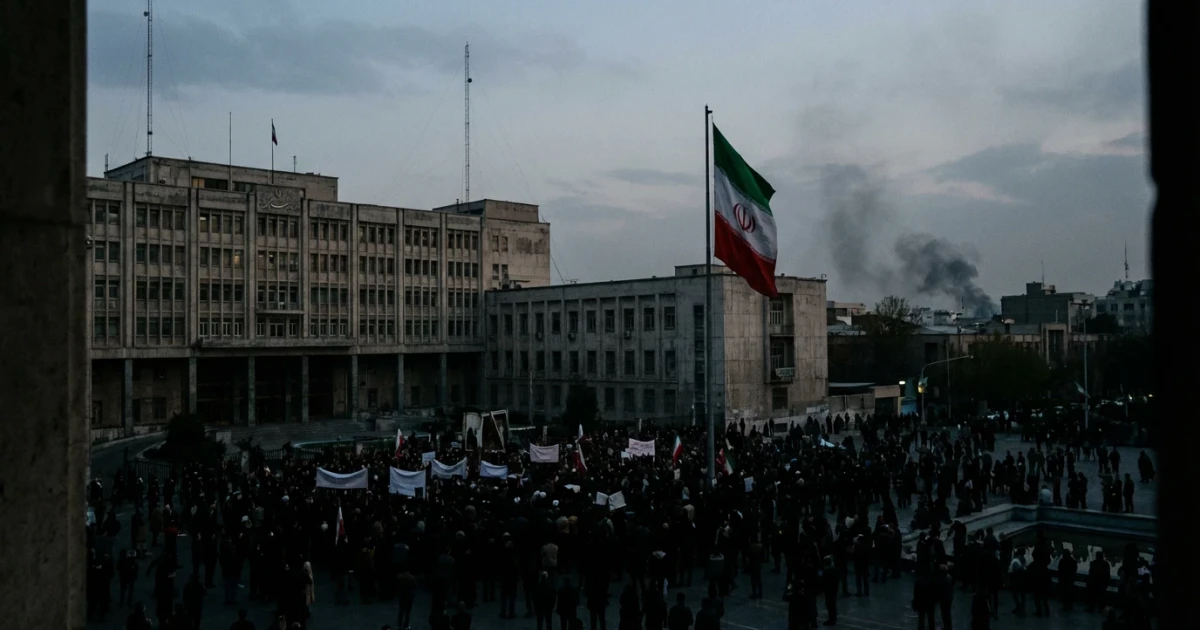
Iran’s leadership is reportedly gripped by concern that a potential US military strike could trigger a fresh wave of anti-government protests, threatening the stability of the Islamic Republic at a critical juncture. Multiple news outlets, including The Jerusalem Post and Reuters, have reported that officials in Tehran believe their grip on power could be imperiled if renewed unrest erupts in the wake of foreign military action.
The Growing Tension: Fears at the Top
According to reports, high-ranking Iranian officials are expressing anxiety that an external attack—especially one originating from the United States—would not only inflict physical and strategic damage but also rekindle widespread domestic dissatisfaction. These fears are rooted in recent history, as Iran has seen repeated waves of mass protests over economic conditions, political freedoms, and government crackdowns in the past decade.
- Nationwide protests in 2019 and 2022 saw thousands take to the streets, often met with forceful responses from security forces.
- Periodic unrest has been fueled by issues such as inflation, unemployment, and calls for expanded civil liberties.
Both The Jerusalem Post and Reuters underline how the Iranian leadership views external threats and internal dissent as interconnected risks. Officials fear that a US strike could serve as a catalyst for latent public anger, creating a scenario where the regime faces simultaneous pressure from abroad and at home.
Historical Context: A Precarious Balancing Act
Iran’s government has long navigated a delicate balance between asserting regional influence and containing domestic opposition. The country’s history of political activism and civil unrest has made authorities acutely sensitive to events that might galvanize public outrage. Past instances—such as the fallout after the downing of Ukraine International Airlines Flight 752 in 2020—demonstrated how external crises can quickly morph into large-scale anti-government demonstrations.
Leadership concerns are heightened by the memory of these episodes, in which security forces were at times overwhelmed and the regime’s legitimacy was openly challenged.
Potential Fallout: What an Attack Could Mean for Iran
Analysts suggest that the impact of a US strike would be multifaceted. Beyond the immediate military consequences, the government could face:
- Renewed and potentially larger protests across major cities
- Challenges in controlling information and social media narratives
- Further strain on Iran’s already struggling economy
- Questions about the regime’s competence and legitimacy
The Reuters report, citing unnamed sources familiar with the leadership’s thinking, indicates that some officials fear the regime’s survival could be directly threatened by any scenario that reignites the protest movement. These concerns reflect the regime's understanding that its position is not unassailable, especially in the face of public anger exacerbated by external shocks.
Analysis: A Moment of Uncertainty for Iran’s Leadership
While both The Jerusalem Post and Reuters note the absence of direct public statements from top Iranian leaders on this issue, the convergence of reporting underscores the seriousness with which the regime views the possibility of renewed unrest. The government’s anxieties highlight broader vulnerabilities, including economic fragility and persistent public dissatisfaction.
As the standoff between Iran and the United States continues, the potential for military escalation remains a source of deep apprehension in Tehran. How the regime navigates this period—and whether it can avoid a repeat of the disruptive protests of recent years—could prove decisive for the future of the Islamic Republic.
Looking Ahead
With regional tensions running high and diplomatic solutions uncertain, Iran’s leadership faces a critical test of its resilience and adaptability. The coming weeks and months will reveal whether the government can maintain control in the face of both external and internal threats, or if a new wave of unrest could fundamentally alter the country’s political landscape.
Sources
- [1]The Jerusalem Post
- [2]Reuters