World
Iran peace deal leaves Gulf exposed to rockets and drones
The preliminary U.S.-Iranian peace deal leaves out the one threat Gulf capitals say matters most: rockets and drones. For Saudi Arabia, the United Arab Emirates, Qatar, Bahrain and Kuwait, that omission sharpens a credibility gap in Washington’s security guarantees at the very moment Iranian projectiles have already crossed their skies in large numbers.
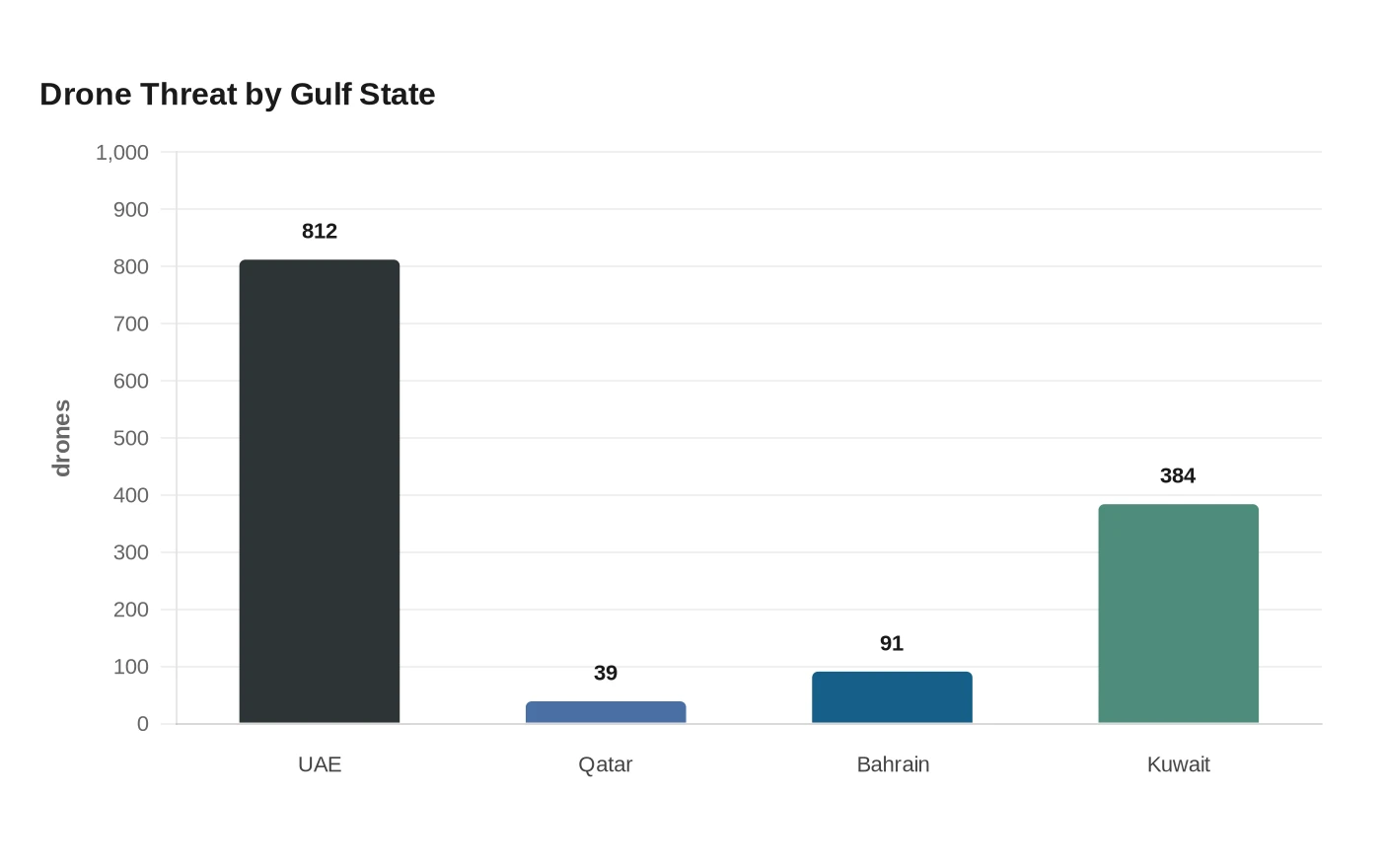
The scale of the threat has been hard to ignore. The United Arab Emirates said it detected 186 ballistic missiles and 812 drones aimed at its territory. Gulf defense ministries also logged 101 ballistic missiles and 39 drones toward Qatar, 73 missiles and 91 drones toward Bahrain, and 178 ballistic missiles and 384 drones toward Kuwait. The International Institute for Strategic Studies said Iran had launched more than 4,000 projectiles against Gulf Cooperation Council states by March 19, 2026, with only a small fraction hitting intended targets, but enough to rattle energy, industrial and financial markets.
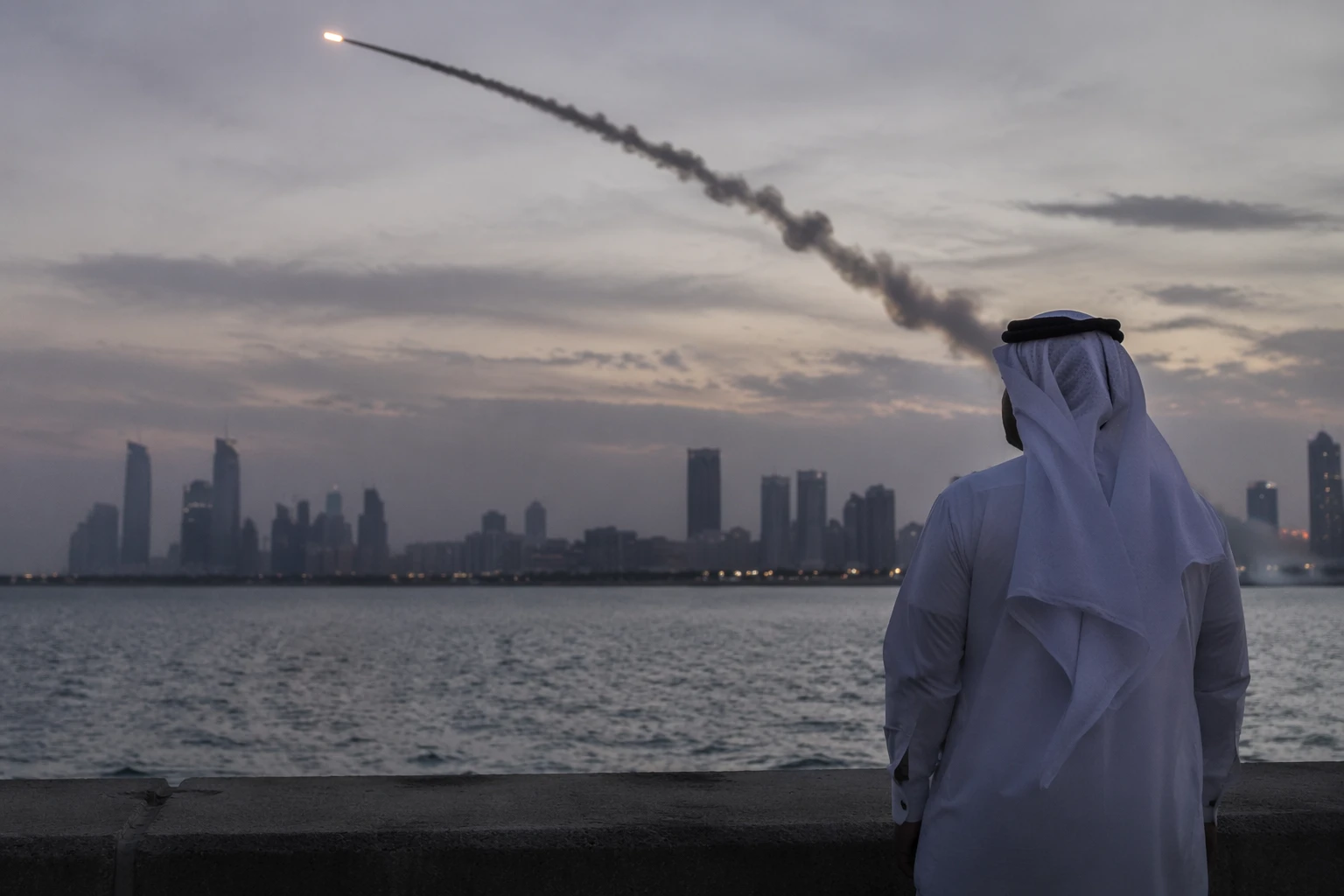
That pattern is forcing a reassessment of how the Gulf thinks about deterrence. Carnegie Endowment for International Peace has said the UAE’s Ministry of Defense reported the wave of attacks toward Emirati territory, with some causing civilian casualties and infrastructure damage. Iranian strikes also have reached oil facilities in Saudi Arabia, ports and coastal cities in Oman, and similar sites in Qatar, Bahrain and Kuwait, showing that the danger is not limited to one country or one front.
The region’s fear is rooted in precedent. On September 14, 2019, drones and cruise missiles struck Saudi Aramco facilities at Abqaiq and Khurais, temporarily knocking out 5.7 million barrels per day of crude output, or about 5 percent of global supply. That attack exposed how quickly asymmetric strikes can move from military nuisance to global market shock.
The latest war has made the vulnerability even more concrete. Bahrain’s Bapco declared force majeure after a refinery was damaged in a March 2026 strike. On June 6, 2026, Kuwait and Bahrain condemned Iranian missile and drone attacks as violations of sovereignty and threats to regional security. Chatham House has said Iran launched missile attacks on Qatar in June 2025 and then struck all GCC states and Jordan in February 2026 after negotiations collapsed.
That is why Gulf frustration goes beyond this one peace track. Analysts say the omission of missiles and drones from the U.S.-Iran deal leaves the Gulf exposed to the weapons most immediately threatening its infrastructure, sovereignty and confidence in the American security umbrella. It may deepen reliance on U.S. air and missile defense, intelligence and basing, but it could also push Gulf states toward new defense arrangements and more independent diplomacy.
Sources
- [1]nytimes.com
- [2]iiss.org
- [3]carnegieendowment.org
- [4]chathamhouse.org
- [5]aljazeera.com
- [6]cnbc.com
- [7]al-monitor.com
- [8]indrastra.com