World
Iran peace talks in Switzerland falter over Trump threats
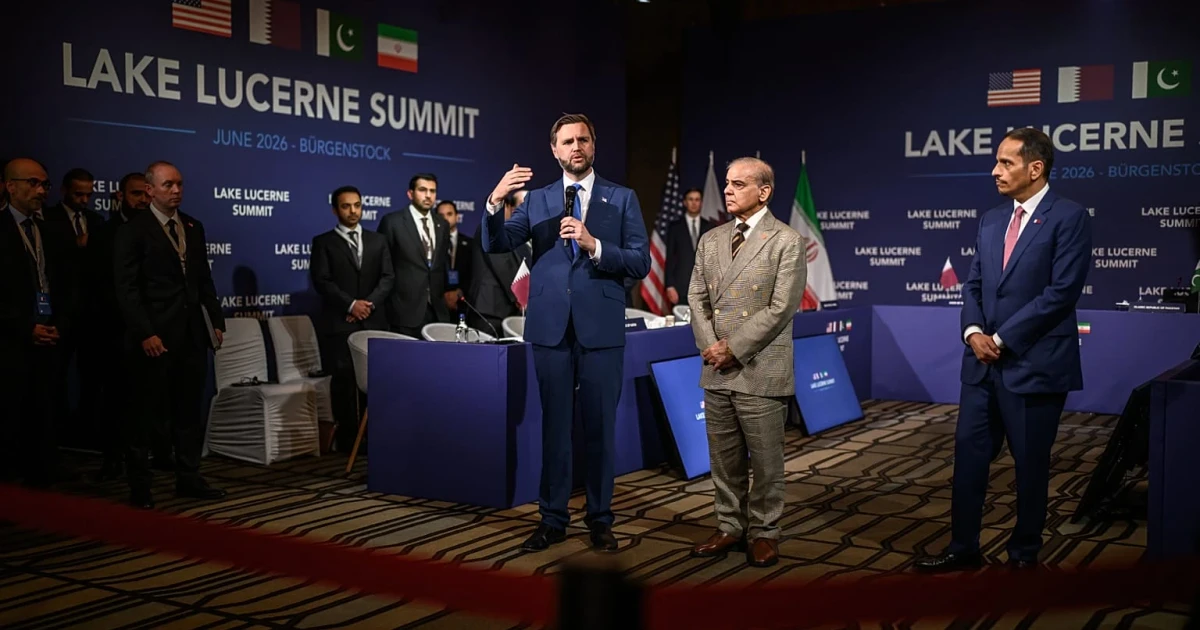
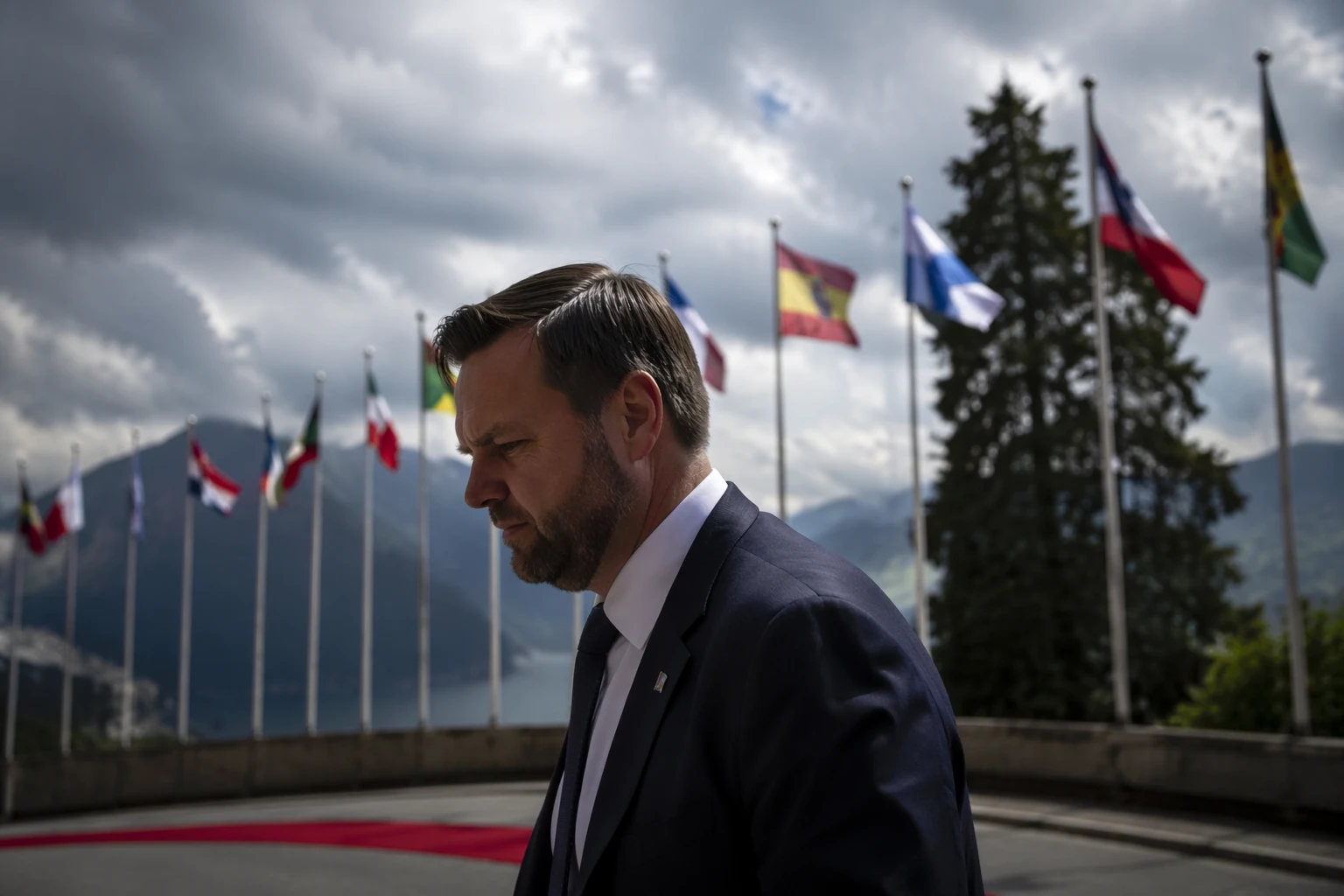
Vice President JD Vance arrived in Switzerland at 5:59 a.m. local time as U.S. and Iranian officials gathered at the Bürgenstock resort near Lucerne for a new round of talks already strained by Donald Trump’s warnings to Tehran. The negotiations, brokered with help from Pakistan and Qatar, were meant to move beyond last week’s interim accord. Instead, Trump’s public threats quickly became the dominant backdrop, forcing diplomats to spend time managing escalation before they could get to the substance.
The U.S. delegation included Vance, special envoy Steve Witkoff and Jared Kushner. The Iranian side was led by Parliament Speaker Mohammad Bagher Qalibaf and Foreign Minister Abbas Araghchi. The agreement signed last week gave both sides less than two months to settle the technical details, but the most difficult questions remained unchanged: Iran’s nuclear program, the fate of frozen Iranian assets and oil sanctions and waivers. NBC News reported that Iranian officials protested Trump’s “recent verbal threats” and called such language a serious violation of the agreement.
The tone of the talks shifted further after Trump posted that the United States would “hit Iran very hard again” if Tehran did not stop its proxies in Lebanon. In a Fox News phone interview, he went further, saying the United States would “blow the s out of them” if Iran closed the Strait of Hormuz. Reuters and AP reported Trump also warned Iran’s president to “watch what he says,” even as negotiators continued meeting behind closed doors in Switzerland. Iranian officials said their delegation’s first mandate was to end the aggression in Lebanon, making the fighting there central to the diplomatic track.
That war zone hung over the table. AP reported Israeli strikes in southern Lebanon killed at least 16 people on Saturday, including two children. Iran has tied progress in the talks to an end to the fighting and to respect for the truce framework, while the U.S. has pushed Tehran to curb its regional proxies. The result is a negotiation with two clocks running at once: one for the 60-day bargaining window and another for a wider regional crisis that can derail it.
The Strait of Hormuz dispute added another layer of pressure. CNBC and AP reported Iran claimed the waterway had been closed again, while the United States denied it had been shut. AP said the U.S. suggested it could begin charging tolls on ships transiting the strait if no final deal is reached within 60 days. Oil markets reacted immediately, with U.S. crude near $78.70 a barrel and Brent around $81.70. If the talks fail, the cost would not just be diplomatic. It would mean greater risk to a critical global energy chokepoint, more leverage for hard-liners in Tehran and another blow to U.S. efforts to shape the region without deepening the conflict.
Sources
- [1]news.google.com
- [2]nbcnews.com
- [3]reuters.com
- [4]cnbc.com
- [5]thehill.com