World
Iran plans Khamenei burial in Mashhad’s revered Imam Reza shrine
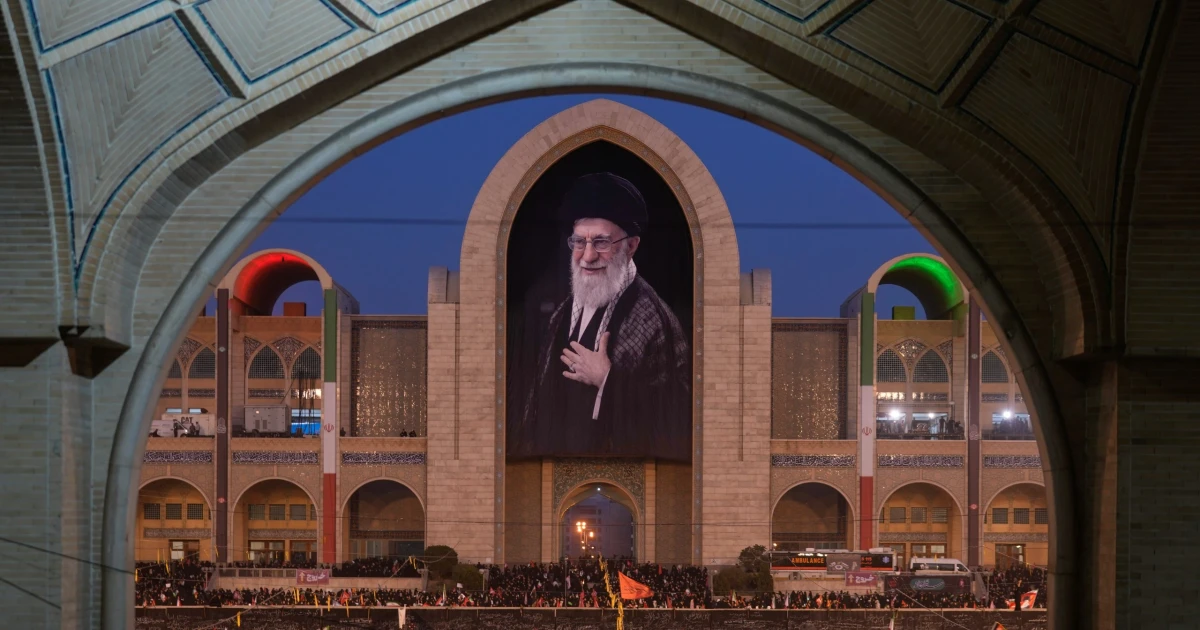
Iran began a week of funeral rites for Ali Khamenei in Tehran on July 4, with burial set for July 9 inside Mashhad’s Imam Reza shrine. The ceremonies also were planned in Qom and in Iraq’s Shiite holy cities of Najaf and Karbala, while security around the event was tightly coordinated by the Islamic Revolutionary Guard Corps.
The choice of Mashhad carries heavy political weight. The city of about 3 million people is centered on a gold-domed shrine revered as Iran’s most sacred site, the burial place of Ali al-Rida, the eighth imam in Twelver Shiism. The Imam Reza Shrine is the only imam’s burial site in Iran, and its pull reaches far beyond the country: Mashhad draws more than 10 million tourists a year and remains one of the world’s major pilgrimage centers for Shiite Muslims. Its name means “place of martyrdom,” a reference to the belief that al-Rida was poisoned there.
That symbolism gives the burial a force that goes well beyond ceremony. By placing Khamenei beside the shrine of Ali al-Rida, Iran is binding the former supreme leader’s legacy to a site that sits at the center of Shiite devotion and Iranian state identity. The move also folds Mashhad’s religious authority into the succession narrative now surrounding the Islamic Republic after Khamenei’s death, making the shrine not just a resting place but a political statement about continuity, legitimacy and clerical power.
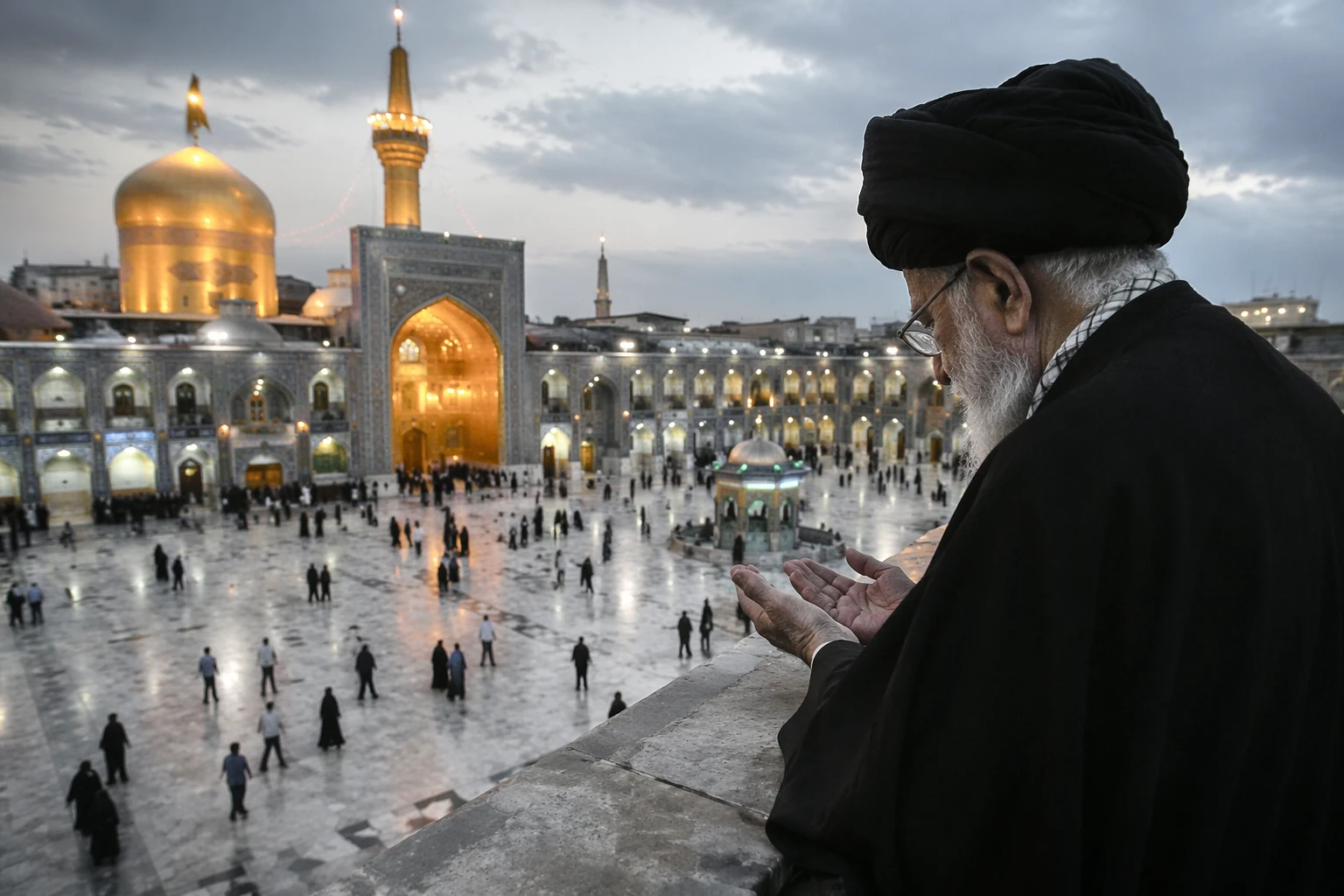
Mashhad’s status as a sacred city was shaped over centuries. Ali al-Rida and Hārūn al-Rashīd were buried in Sanābād, and the unadorned name Mashhad entered common use after the Mongol destruction of Tus in 1389. Persian dynasties later expanded the shrine complex, turning a burial site into a destination that helped define the city’s identity. That legacy is now being used again, as state media has framed the funeral rites as a demonstration of public devotion to the Islamic Republic and proof that its revolutionary fervor still burns.
Khamenei ruled for 36 years before he was killed in U.S. and Israeli airstrikes in February 2026. His death has set off one of the most consequential state events in the Islamic world, and the burial in Mashhad places Iran’s power transition inside a shrine whose religious stature has long been tied to the regime’s claims of authority.
Sources
- [1]nytimes.com
- [2]britannica.com
- [3]reuters.com