World
Iran prepares delayed funeral for Khamenei amid show of resilience
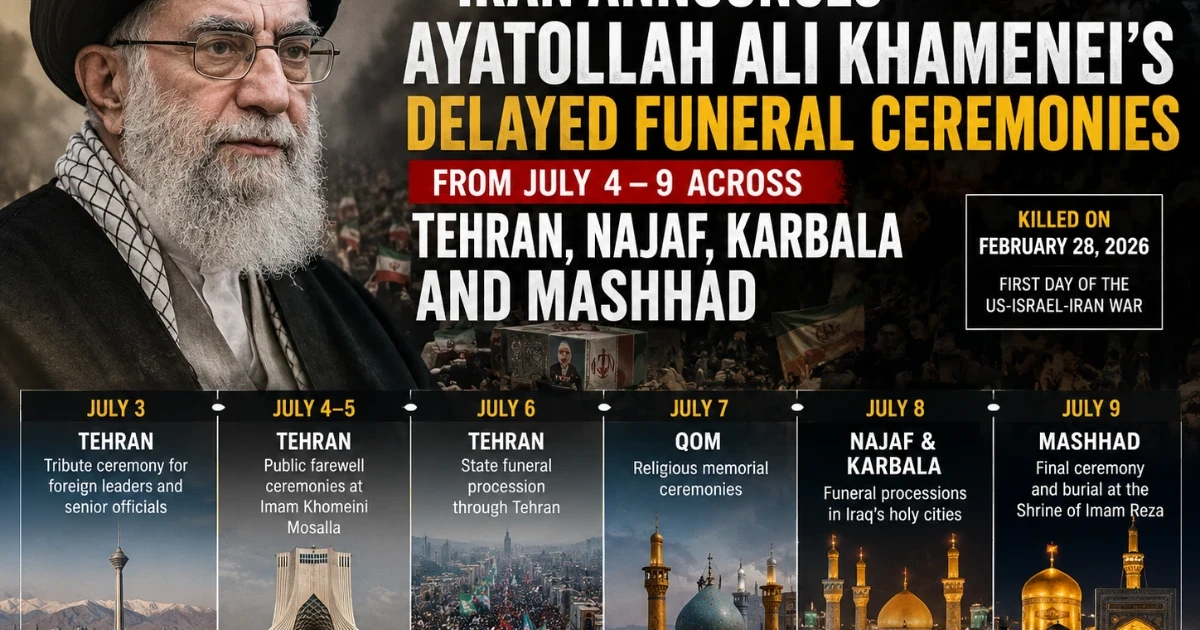
Iran will open five days of funeral rites for Ayatollah Ali Khamenei in Tehran on July 4, turning his delayed burial into a highly choreographed display of continuity after his death in the opening strike of the war. State media said the ceremonies will end with burial in Mashhad on July 9, at the Imam Reza shrine, more than 100 days after he was killed in U.S.-Israeli airstrikes on February 28, the first day of the conflict.
The itinerary stretches beyond the capital. Reports say the mourning will move through Tehran, Qom and Iraq before reaching Mashhad, as Iranian authorities use the procession to project public devotion and revolutionary resilience. The scale of the rites has become part of the Islamic Republic’s post-war messaging, with officials presenting the funeral as evidence that the system built by Khamenei still commands loyalty despite the shock of losing a leader who had ruled for 36 years.
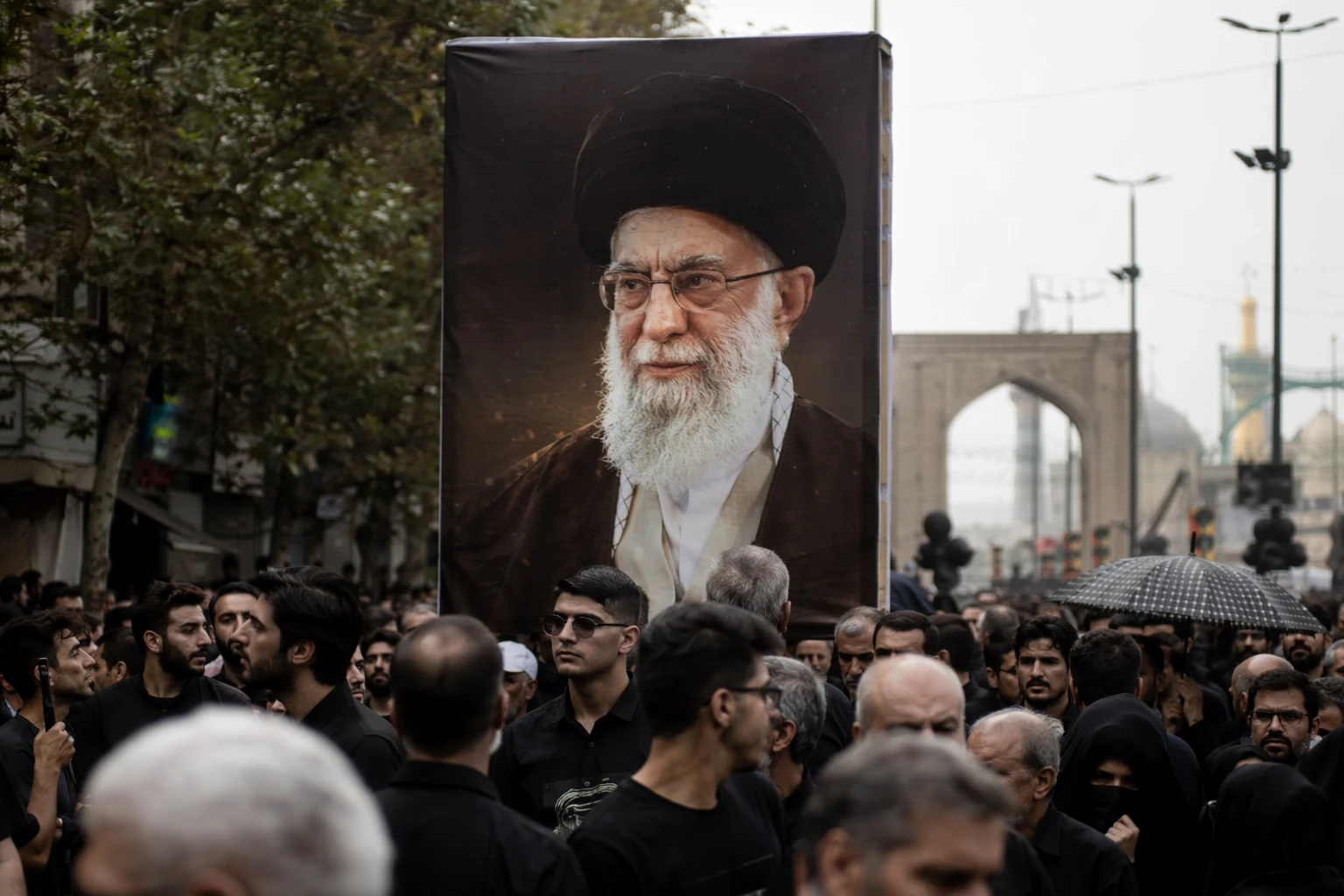
Security is now part of the spectacle. Iranian officials have warned the United States and Israel against any attack during the processions, and a military commander said they should not miscalculate as the state prepares for the public mourning. That warning underscores the regime’s effort to stage mass turnout without exposing weakness, while also signaling that the funeral itself is being treated as a sensitive political event rather than a private farewell.
Foreign attendance is shaping that message as well. He Wei, the senior Chinese lawmaker and vice chairman of the Standing Committee of the National People’s Congress, is set to attend the Tehran ceremony after an announcement from China’s foreign ministry. Iranian officials expect other delegations from multiple countries, making the funeral a test not only of domestic control but of Iran’s diplomatic reach at a moment of succession uncertainty.
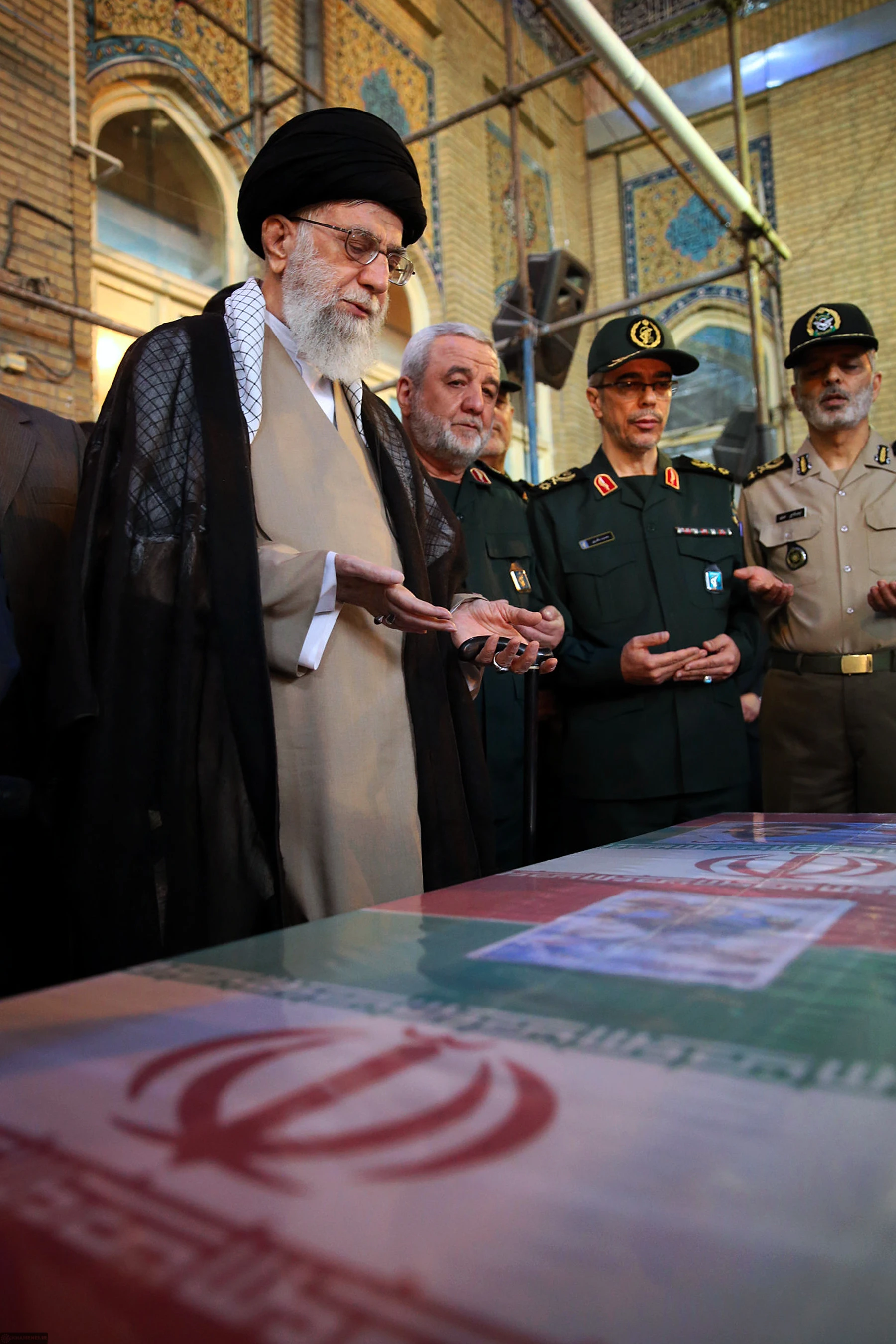
Khamenei’s death left the Islamic Republic in a politically sensitive transition after nearly 37 years with him at the center of power. The long delay before burial, and the scale of the ceremonies now being prepared, have turned the funeral into a public measure of regime strength as well as a marker of the unresolved question over who follows him.
Sources
- [1]nytimes.com
- [2]usnews.com
- [3]aljazeera.com
- [4]timesofisrael.com