Business
Iran Prepares to Reopen Stock Market Amid Uncertainty
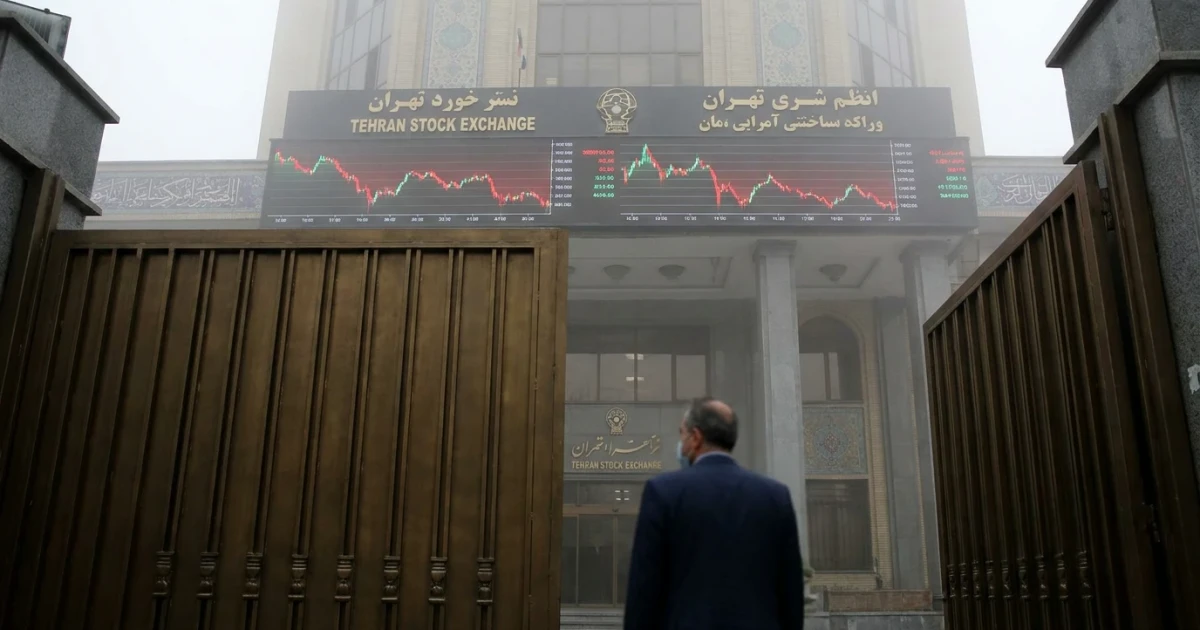
Iran’s financial sector is at a crossroads as the country prepares to reopen its stock market after a prolonged closure caused by conflict with the United States and Israel. The decision comes amid ongoing economic strain and uncertainty, with analysts and officials weighing the risks and opportunities for investors and the broader economy.
The Aftermath of War: A Fragile Economic Landscape
The Tehran Stock Exchange (TSE) has remained shuttered for months, following escalations in the U.S.-Israeli conflict that significantly disrupted Iran’s financial markets. Al Jazeera reports that the closure was necessary to stabilize the economy during intense geopolitical tension and prevent panic-driven selloffs. The war’s impact has been felt across economic sectors, from banking to manufacturing, and the stock market’s reopening is seen as a litmus test for Iran’s recovery efforts.
- Iran’s GDP and inflation rates have fluctuated dramatically during the conflict, as shown by official Central Bank of Iran data.
- Trading volumes and market capitalization on the Tehran Stock Exchange plummeted prior to the closure.
According to Star Tribune, the war not only destabilized financial markets but also led to sanctions, supply chain disruptions, and currency volatility—all of which will factor into investor confidence as trading resumes.
Regulatory and Technical Challenges
Reopening the TSE involves navigating a complex web of regulatory and technical hurdles. Market authorities must ensure compliance with updated trading regulations designed to minimize volatility and protect investors. Al Jazeera notes that authorities are preparing new circuit breakers and price limits to cushion against sharp swings.
- Revised trading hours and settlement periods to cope with post-war liquidity issues.
- Enhanced disclosure requirements for listed companies, aiming to rebuild trust among domestic and foreign investors.
Technical infrastructure upgrades are also underway, with the TSE investing in more robust electronic trading systems to handle increased volatility and prevent outages.
Investor Sentiment and International Attention
Investor sentiment remains cautious. Star Tribune highlights concerns about renewed conflict, sanctions, and the potential for rapid capital flight if instability returns. Many domestic investors are expected to adopt a wait-and-see approach, while international funds face strict sanctions and legal barriers to entry.
Despite these challenges, the reopening is drawing attention from regional financial institutions and international observers. The World Bank’s country data for Iran indicates ongoing interest in tracking market performance as a proxy for broader economic recovery.
- Foreign participation is likely to be limited, with most trading expected from local institutions and retail investors.
- Economic reforms and diplomatic negotiations may influence future foreign investment flows.
Potential Economic Impacts
The successful reopening of the stock market could signal a turning point for Iran’s economy, offering new avenues for capital raising and privatization. However, Al Jazeera cautions that volatility is expected, especially in the early weeks. The government views the TSE as a tool for economic stabilization and growth, but the risk of renewed conflict or sanctions looms large.
According to Star Tribune’s analysis, the reopening will test Iran’s ability to balance investor protection with the need for liquidity and economic stimulus. The outcome may also affect regional financial stability, as neighboring markets monitor Iran’s recovery for signs of contagion or opportunity.
Key statistics and data:
- Iran’s inflation rate peaked during the conflict, according to Statista’s financial market charts.
- TEPIX, the Tehran Price Index, saw sharp declines before the closure, with historical values available via Investing.com.
Looking Ahead
As Iran’s stock market prepares to reopen, stakeholders face a challenging environment shaped by geopolitical uncertainty, regulatory changes, and fragile investor confidence. While the government hopes for a smooth transition, economic analysts warn that volatility and risk will persist as long as tensions remain unresolved.
The coming weeks will reveal whether the TSE can regain its role as a cornerstone of Iran’s financial system, or if ongoing instability will force further intervention. For investors and policymakers alike, the reopening is not just a practical step, but a symbol of resilience—and a test of Iran’s ability to chart a stable economic future.