World
Iran privately says Strait of Hormuz ship attacks were a mistake
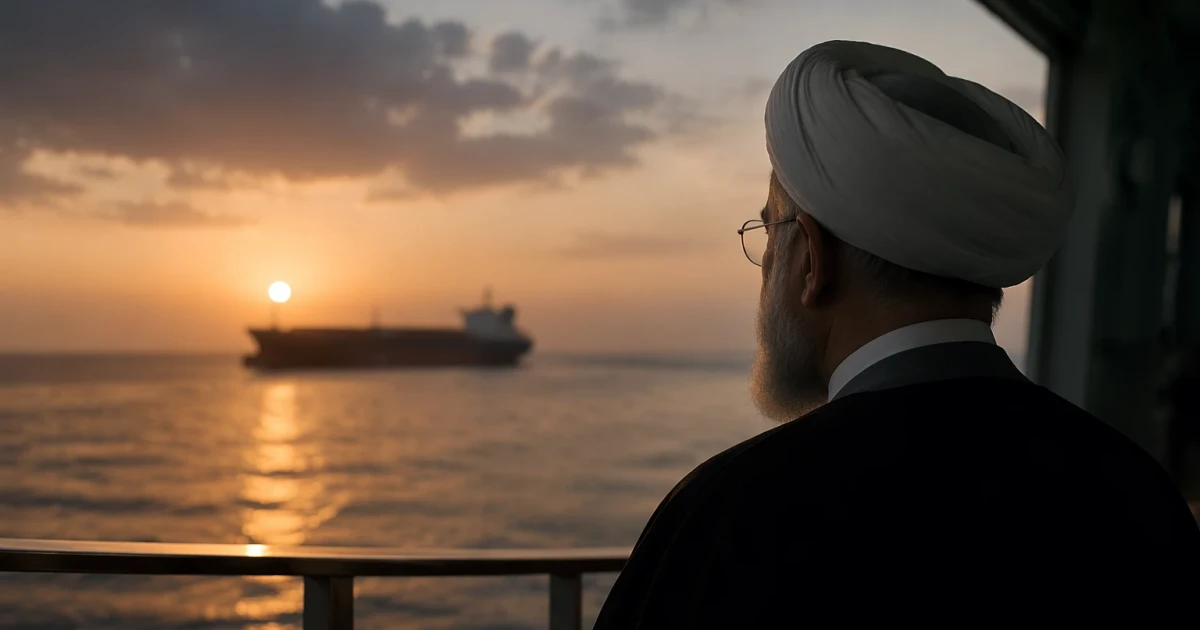
Iran privately told Trump advisers it made a mistake in shooting at commercial ships in the Strait of Hormuz, even as Washington pressed for a public pledge that the waterway is open to shipping. Senior U.S. officials said Tehran blamed the attacks on an “errant” faction of hardliners trying to undercut negotiations, a claim that now sits at the center of the question facing U.S. officials and tanker operators alike: was this a command-and-control failure, or a diplomatic message dressed up as an apology?
The White House wants more than a private admission. It is pushing Iran to publicly acknowledge that the shooting was a mistake and to say the Strait of Hormuz is open, with no tolls and no attacks on commercial traffic. President Trump has directed JD Vance, Jared Kushner, Steve Witkoff and Marco Rubio to keep the talks moving, and negotiators were scheduled to meet in Oman on Saturday, July 12, 2026.
The stakes sharpen because both sides are already treating the maritime attacks as part of a wider escalation. U.S. officials believe the recent violence unfolded inside a 60-day negotiation period tied to a June memorandum of understanding, and they say the southern lane of the strait along the Omani coast should have remained open under that arrangement. Three Qatari and Saudi commercial tankers came under fire this week, prompting U.S. strikes on Iranian sites and Iranian retaliation against U.S. military sites in Gulf states. The ceasefire was less than three weeks old when the latest exchange of fire erupted.
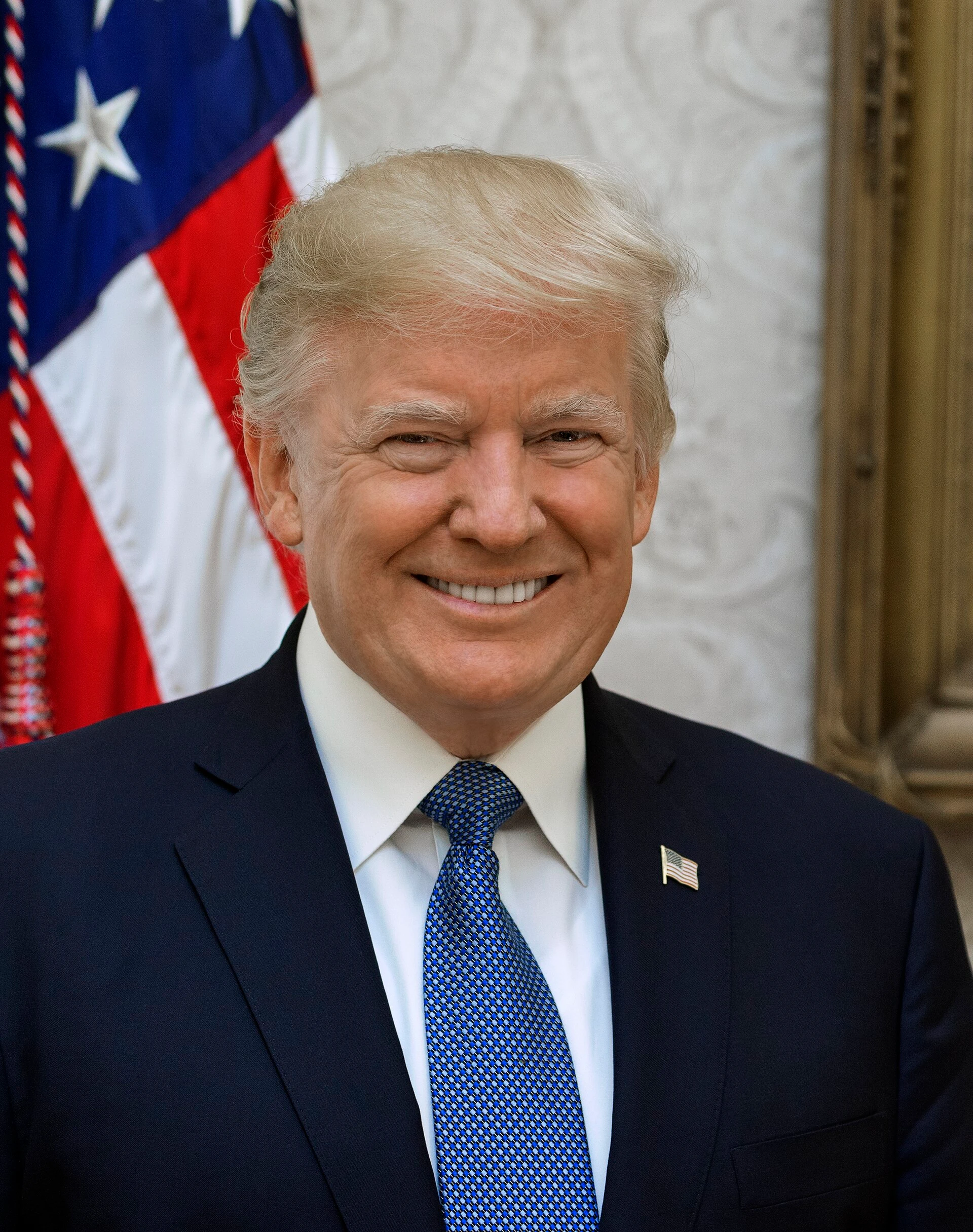
For shipping markets, the credibility problem is immediate. Maritime authorities raised the threat level for transit through the Strait of Hormuz to “severe” from “substantial” after the attacks, while traffic through the chokepoint has held at only about one-third to one-fifth of pre-war levels. That matters because the strait typically carries roughly a fifth of the world’s oil supply. A private message through mediators may keep negotiations alive, but tanker owners, insurers and the U.S. government are waiting for a public signal, backed by calmer waters, that the attacks have actually stopped.
Sources
- [1]cbsnews.com
- [2]al-monitor.com