World
Iran privately tells Trump officials it made mistake in ship attack
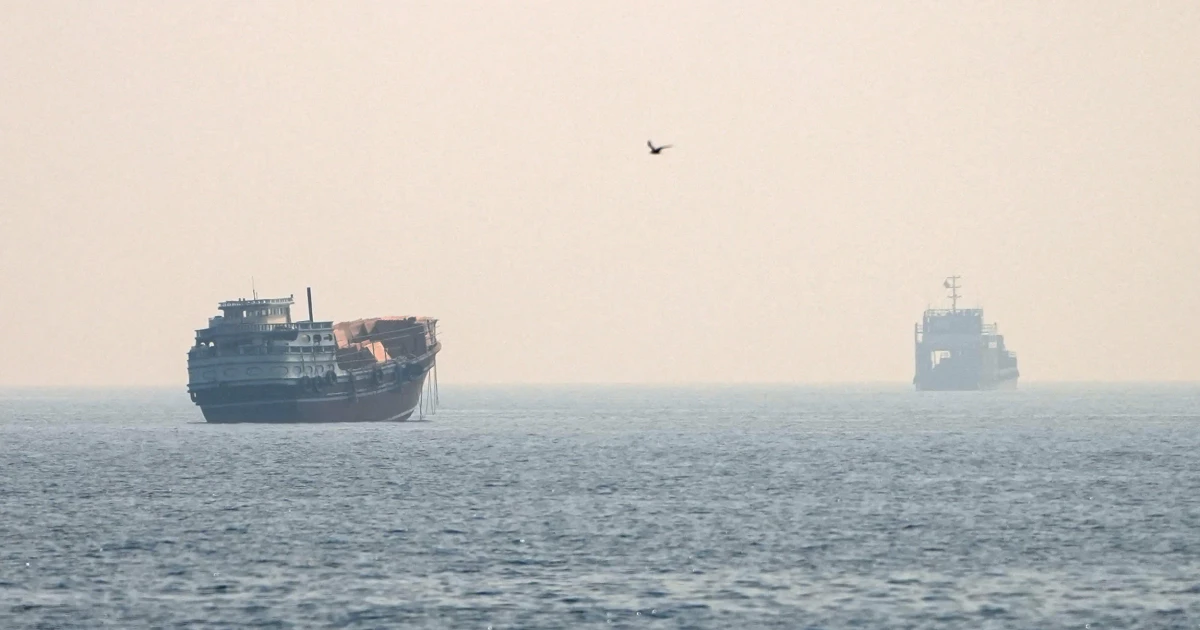
Iranian officials privately told Trump advisers they made a mistake in shooting at commercial ships in the Strait of Hormuz, senior U.S. officials said. The admission, made behind closed doors, has sharpened a credibility gap inside the confrontation: Washington wants Iran to say so publicly, while the Trump administration treats the strike as a breach of the ceasefire.
The private message matters because it points to a possible split between Iran’s formal line and the actions of hardliners inside the system. Senior U.S. officials said Tehran described the attack as the work of an "errant" sect of hardliners who were trying to undermine negotiations and wanted to keep talking. That version, if true, suggests a command-and-control problem at exactly the moment Washington is trying to test whether deterrence is holding or slipping.
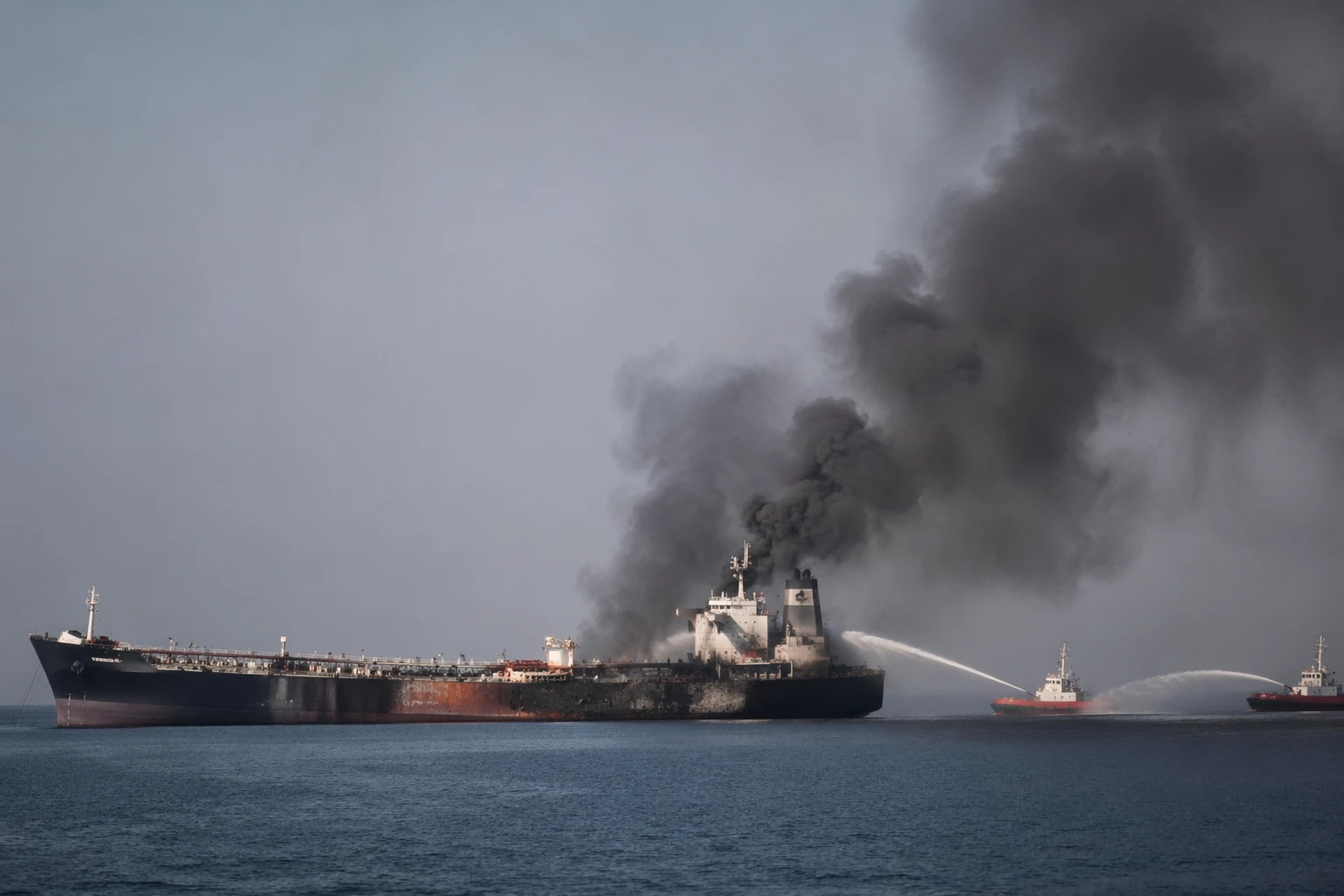
The attack on three ships set off two days of intense strikes, underscoring how quickly a maritime incident can expand beyond the original target. The Strait of Hormuz remains one of the world’s most strategic shipping chokepoints, carrying traffic vital to global energy supplies. Any hint of confusion in Iran’s chain of command raises the risk that a miscalculation in that narrow waterway could trigger another cycle of retaliation, with immediate consequences for shipping insurance, freight costs and energy markets.
The episode also fits a pattern that has unnerved diplomats and maritime officials for years. On June 13, 2019, two oil tankers were attacked near the Strait of Hormuz in the Gulf of Oman, and the United Nations warned at the time that the world could not afford a major confrontation in the Gulf. The International Maritime Organization later condemned attacks on commercial shipping in the Strait of Hormuz and Sea of Oman, reflecting the extent to which the waterway has become a pressure point for global trade.
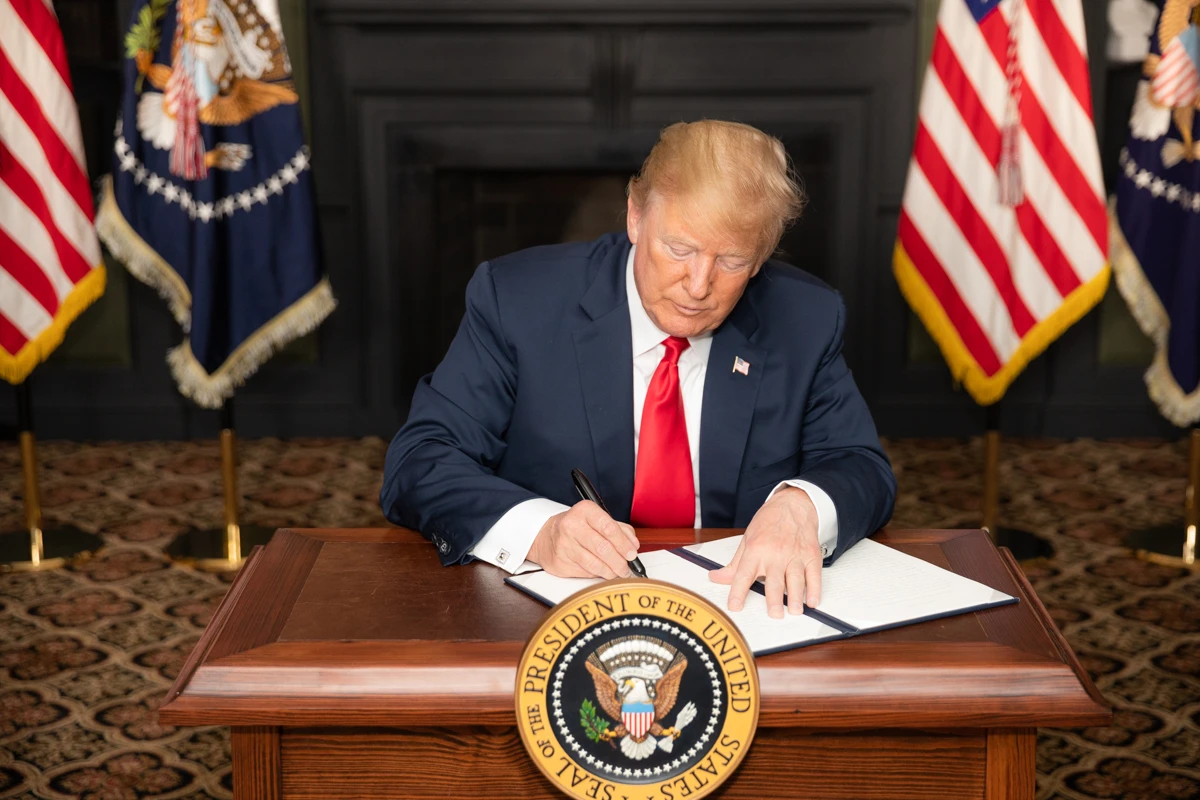
For Washington, the unresolved question is not just whether Iran erred, but whether the error came from a rogue faction, a face-saving explanation, or a deeper breakdown in control. The White House wants a public acknowledgment because that would amount to an admission that the ceasefire was violated. Without it, the private apology leaves the United States confronting the same uncertainty that has shadowed the Strait for years: a single strike can still move markets, threaten energy flows and turn a narrow shipping lane into a wider regional crisis.
Sources
- [1]cbsnews.com
- [2]imo.org
- [3]aljazeera.com
- [4]pbs.org