World
Iran projects victory and hard-line stance ahead of Washington talks
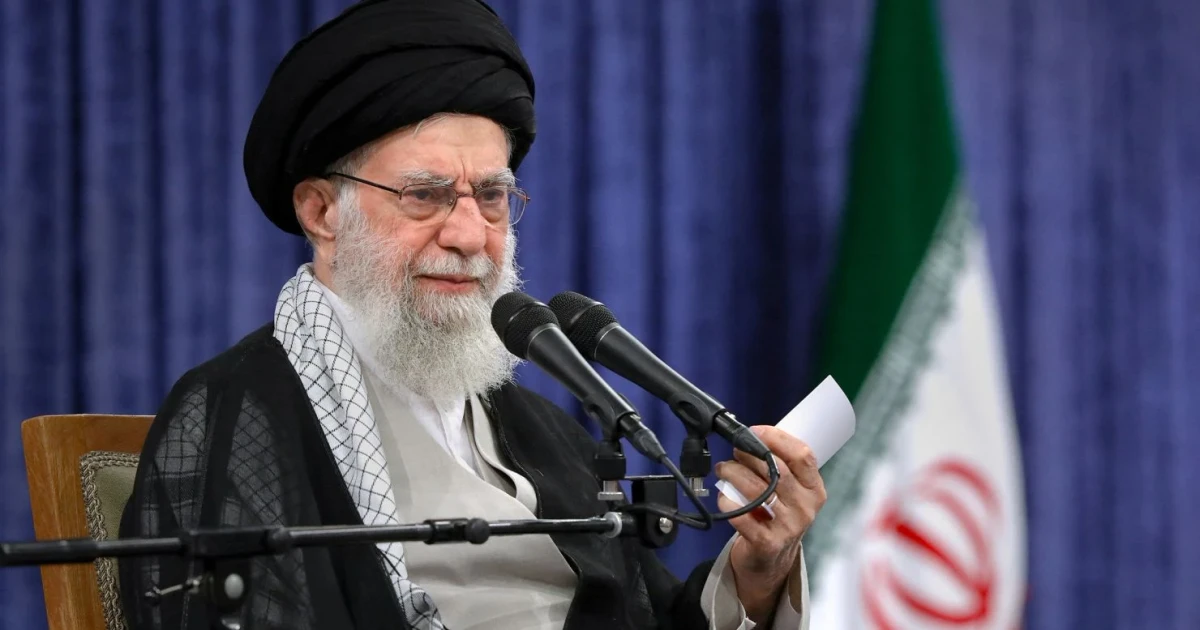
Iran is entering talks with Washington bruised by war but politically stronger at home, turning a ceasefire and sheer survival into a bargaining asset. Senior officials have wrapped that message in triumphal language, with a statement from Supreme Leader Mojtaba Khamenei saying, "We have granted you a clear victory," and Vice President Mohammad Reza Aref declaring, "The era of Iran has begun."
That victory narrative is doing more than rallying supporters. It helps Tehran present itself as the side that absorbed the blows, endured the pressure and still forced the conflict into a diplomatic track. Large crowds gathered in Tehran after the ceasefire, a display that signaled the leadership was eager to show internal cohesion even as many ordinary Iranians viewed the coming talks with skepticism and feared a trap.
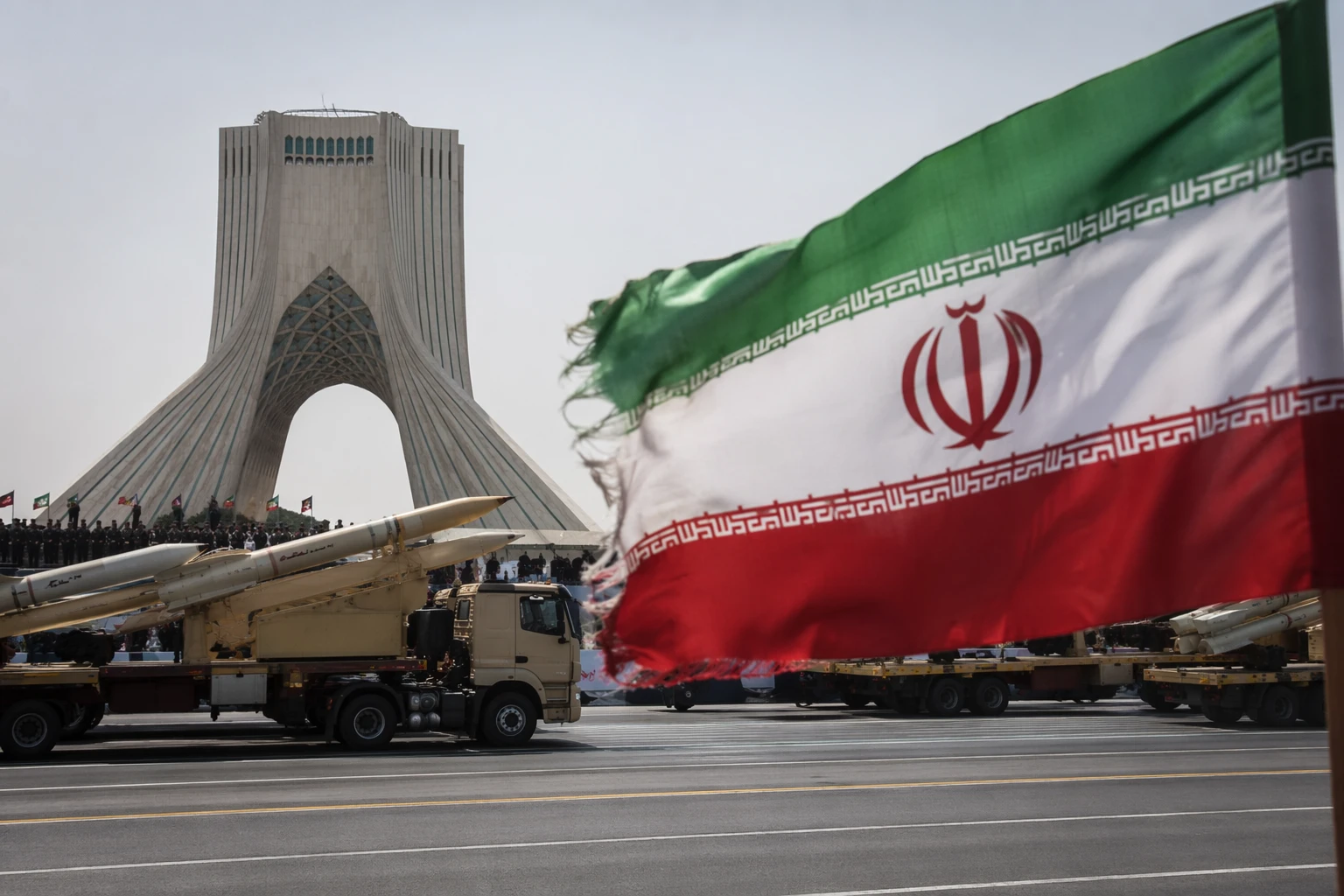
The hardest line is emerging around the Strait of Hormuz and the nuclear file. The waterway is one of the world’s most sensitive chokepoints, carrying about 20% of global oil, and analysts say Iran has gained leverage by asserting authority over it. Burcu Ozcelik said Iran emerged from this phase of the war with the "upper hand strategically," a judgment that captures why Washington cannot treat the ceasefire as a simple reset.
The nuclear dispute remains far from resolved. In February 2026, Iranian officials indicated they were prepared to make concessions if the United States lifted sanctions and recognized Iran’s right to enrich uranium. One senior Iranian official said Tehran would consider sending half of its most highly enriched uranium abroad, diluting the rest and joining a regional enrichment consortium. But on June 10, the International Atomic Energy Agency’s Board of Governors passed a U.S.-backed resolution demanding that Iran declare its remaining enriched uranium stocks and allow inspectors to verify them.
That pressure matters because the stockpile is still large and dangerous. The IAEA estimated Iran had 440.9 kg of uranium enriched to up to 60% before the attacks, enough by the agency’s yardstick for about 10 nuclear weapons if further enriched. More than 200 kg was believed to remain in a tunnel complex at Isfahan, with more material at Natanz. Rafael Grossi has pressed Iran to re-engage so inspections can resume, but Iran has still not explained what happened to the bombed sites or the material inside them.
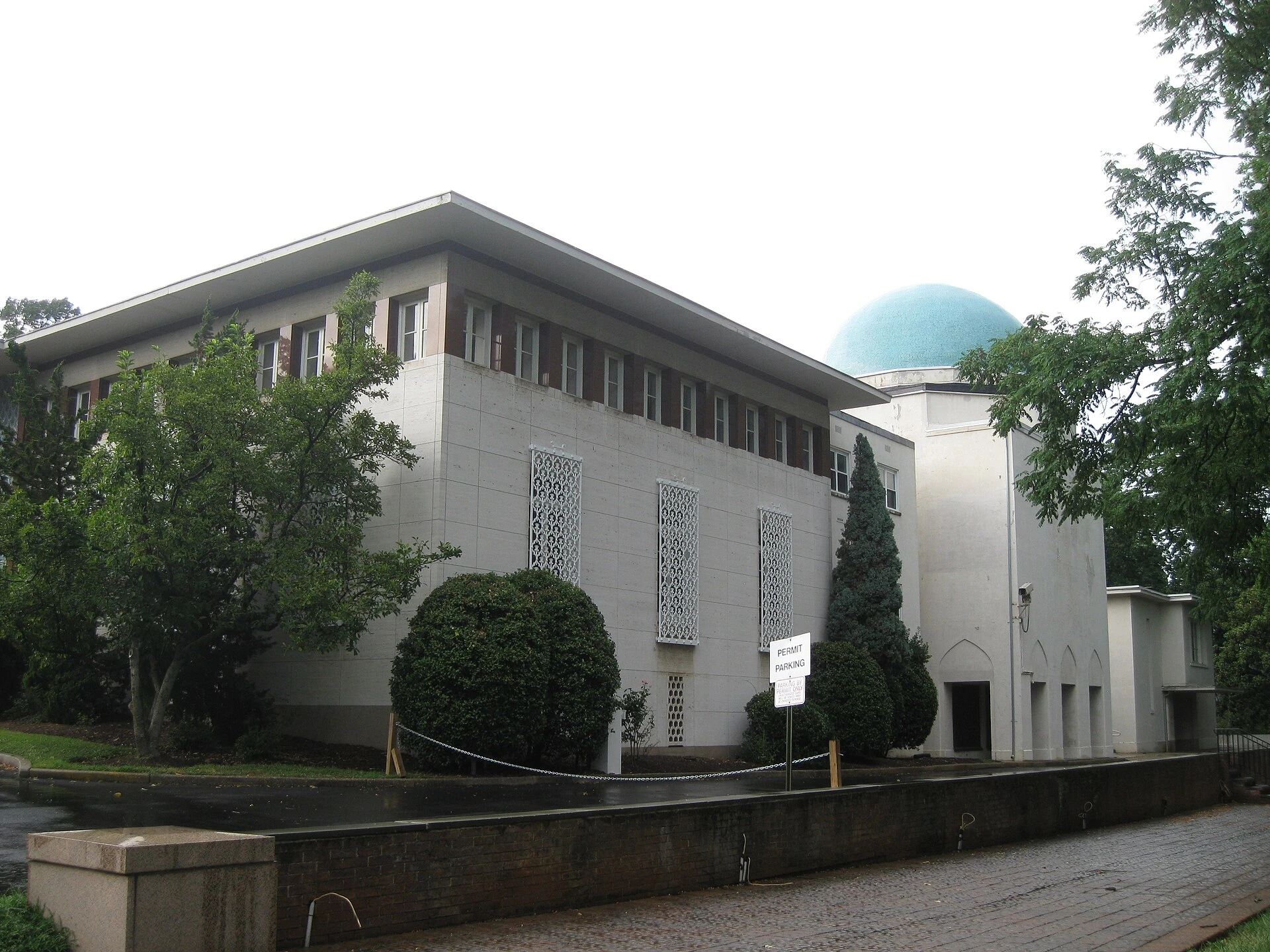
A framework deal reached on June 15 would end the war and reopen the Strait of Hormuz, while leaving the nuclear issue for a later 60-day negotiation period. The memorandum of understanding was due to be formally signed in Switzerland on Friday, and Kazem Gharibabadi said sanctions relief would be negotiated during that window. The result is a familiar pattern: Tehran enters talks militarily constrained, yet determined to use the language of victory to tighten its grip at the table.
Sources
- [1]nytimes.com
- [2]nbcnews.com
- [3]usnews.com
- [4]al-monitor.com