US News
Iran Pushes Back on Trump’s Claims of New Nuclear Deal
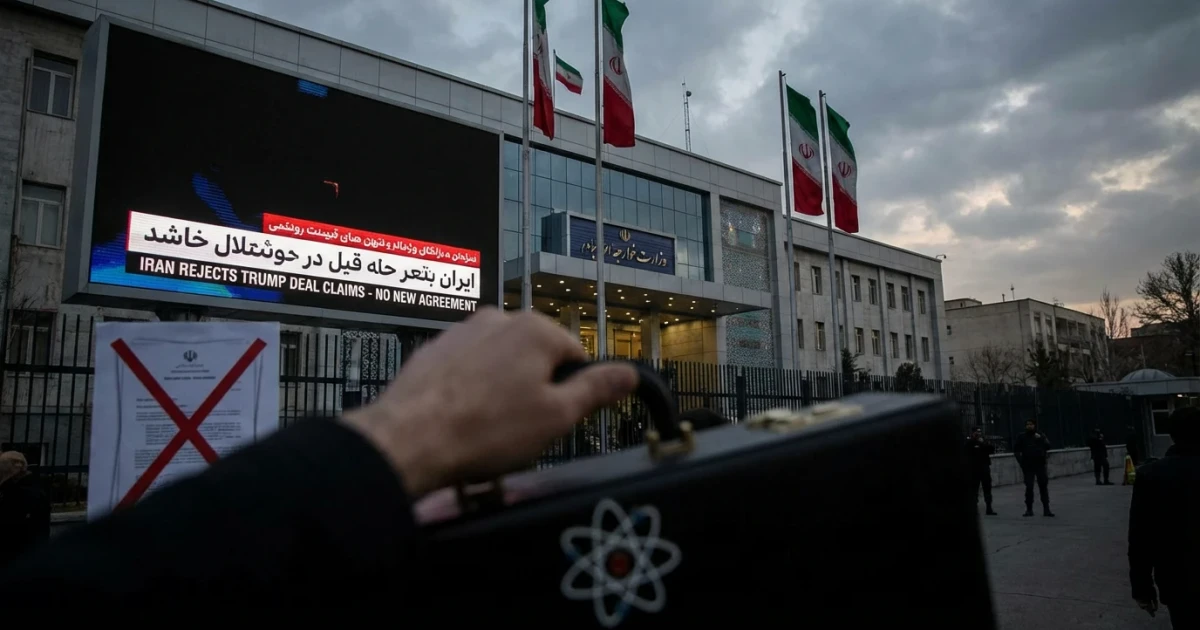
Iranian officials have forcefully rejected claims by former President Donald Trump that the two countries have reached a new nuclear agreement, fueling uncertainty over the future of international efforts to limit Iran’s nuclear program.
Competing Narratives Emerge
The dispute stems from recent statements by Trump, who asserted this week that Iranian leaders have “agreed to everything,” including the removal of enriched uranium from Iran. Outlets such as CBS News amplified Trump’s comments, with the former president suggesting a sweeping breakthrough that would address longstanding Western concerns about Tehran’s nuclear ambitions.
However, The Washington Post reports that Iranian authorities have swiftly denied any such agreement is in place. Officials in Tehran maintain that no new understandings have been reached with the United States and emphasize that any future talks would require a formal process and defined commitments by all parties.
Background: The Nuclear Issue
Since the United States withdrew from the Joint Comprehensive Plan of Action (JCPOA) in 2018 under Trump’s administration, Iran’s nuclear program has been the subject of intense international scrutiny. The JCPOA, brokered in 2015, set strict limits on uranium enrichment and subjected Iranian facilities to IAEA monitoring. In the years since, Iran has gradually expanded its nuclear activities beyond the JCPOA’s original terms.
Trump’s recent remarks—implying a new deal or understanding with Iran—have therefore drawn global attention, given the ongoing diplomatic deadlock. However, Iran’s categorical denial underscores the lack of consensus on whether any progress has truly been made.
What Iran Is Saying
According to The Washington Post, Iranian officials characterized Trump’s statements as inaccurate and misleading. Tehran insists that there have been no direct negotiations leading to fresh commitments on uranium enrichment, and that all talks must be based on mutual respect and the original JCPOA framework.
This position aligns with Iran’s longstanding insistence that it will not accept new restrictions or conditions outside the umbrella of existing international agreements. Experts note that Iran’s refusal to confirm Trump’s claims is consistent with its approach since the U.S. withdrawal from the JCPOA.
Verification and Diplomatic Realities
- There is no official confirmation from the International Atomic Energy Agency (IAEA) or other international bodies of a new nuclear agreement between the U.S. and Iran.
- According to recent analyses, Iran continues to possess significant stocks of enriched uranium, exceeding JCPOA limits and raising concerns among nonproliferation experts.
- U.S. government sources have not released details of any new negotiations or understandings with Iran, and the Biden administration has not commented on Trump’s assertions.
Analysis: Diplomatic Implications
The conflicting statements reflect broader challenges in U.S.-Iran relations. While Trump’s claims suggest willingness for renewed diplomacy, Iran’s public denial signals ongoing mistrust and the need for formal, multilateral approaches to the nuclear issue. Without transparent agreements and international verification, any claims of progress remain difficult to substantiate.
For observers, the episode underscores the importance of clear communication and verifiable commitments in addressing nuclear nonproliferation. As both countries navigate a volatile diplomatic landscape, the world continues to watch for tangible steps toward resolving one of the most pressing security concerns in the Middle East.