US News
Iran Reaffirms Authority Over Strait of Hormuz
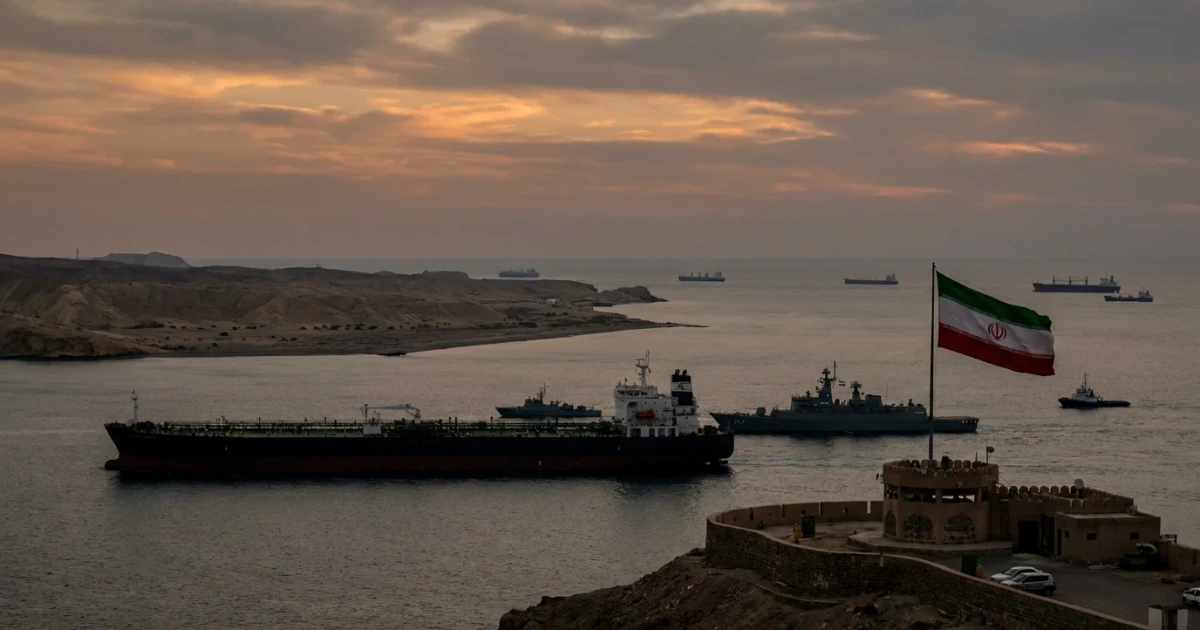
Iran’s Supreme Leader has issued a defiant statement asserting Iran’s control over the Strait of Hormuz, a strategic maritime passage crucial to global energy supply. The move, widely reported by international outlets including The Guardian and The New York Times, underscores Tehran’s intent to maintain its influence over the narrow waterway that sees a significant portion of the world’s oil transit.
The Strategic Importance of the Strait of Hormuz
The Strait of Hormuz is often described as the world’s most critical oil chokepoint. According to recent data, approximately one-fifth of global petroleum liquids consumption passes through the strait each day, connecting the oil-rich Persian Gulf with international markets. The United States Energy Information Administration notes that the strait sees daily oil export volumes exceeding 20 million barrels, highlighting its unmatched importance to energy security worldwide.
Iran’s Position and Leadership Statement
In his latest address, Iran’s Supreme Leader emphasized that Iran would not yield its position regarding the strait, framing the waterway as an integral part of the nation’s sovereignty and security interests. While the full text of the statement has not been released, reports from The Guardian indicate a continued policy of vigilance and control, with the Supreme Leader signaling that Iran would respond to any perceived threats or interference in the passage.
International Response and Security Concerns
The international community remains attentive to tensions in the region. The International Maritime Organization continues to monitor security arrangements in the Strait of Hormuz, as shipping companies and oil markets keep a close eye on the potential for disruptions. Any escalation or restriction could have immediate impacts on global oil prices and supply lines.
- The strait is a transit route for oil exports from major producers including Saudi Arabia, Iraq, and the United Arab Emirates.
- According to UNCTADstat, the waterway ranks among the busiest for maritime transport, with thousands of tankers passing each year.
- Recent years have seen periodic confrontations and threats to close or restrict access, which would disrupt up to 30% of all seaborne-traded crude oil, according to industry estimates.
Regional Balance and Military Posture
Analysts note that Iran has invested in asymmetric naval capabilities and missile systems positioned along its coastline, enhancing its ability to project power over the strait. A report by the Center for Strategic and International Studies details Iran’s longstanding strategy of leveraging the strait for regional influence and as a bargaining chip in international negotiations.
Looking Ahead
The Supreme Leader’s statement is likely to reinforce existing tensions between Iran and Western powers, particularly as negotiations over nuclear and security issues continue. The status of the Strait of Hormuz remains a central concern for energy markets, military planners, and policymakers worldwide. As diplomatic efforts continue, the possibility of further posturing or escalation in this vital maritime corridor cannot be ruled out.