World
Iran reports first night without US strikes as Houthis hit Saudi city
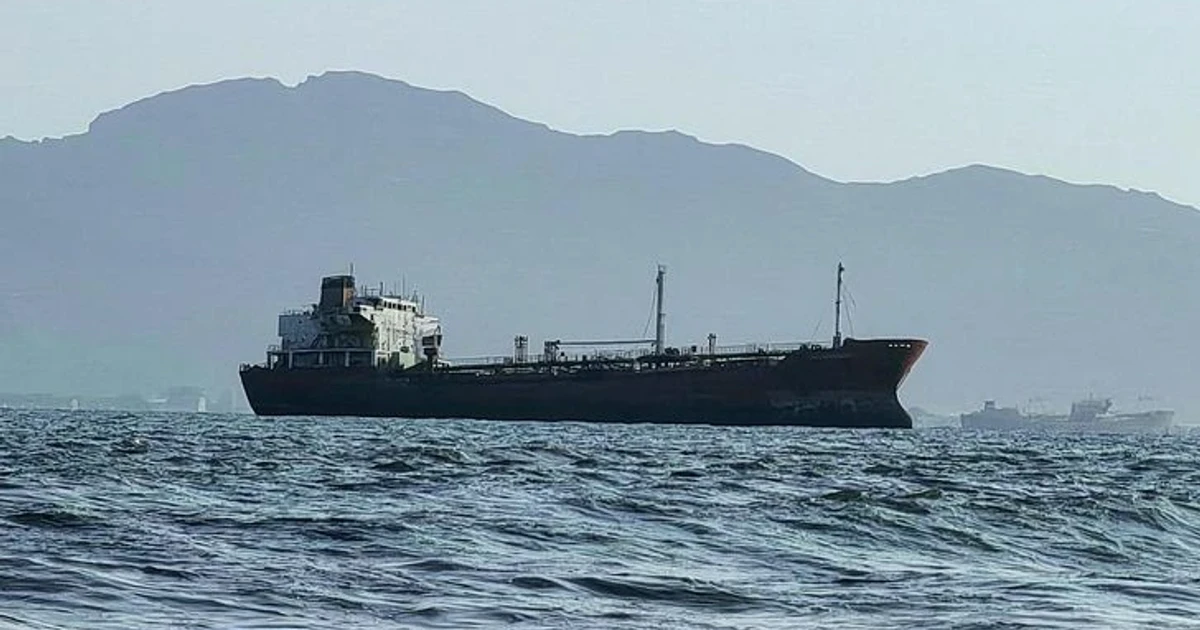
Iran went through its first night without new U.S. strikes after more than a week of bombing, but the regional war kept spreading across the Red Sea front. Yemen’s Iran-aligned Houthi movement had already announced a naval blockade on Saudi Arabia on July 20, then said on July 23 that it attacked two Saudi oil tankers in the Red Sea.
President Donald Trump warned a day later that Washington would punish Iran and the Houthis over the Red Sea attacks. He said the United States would "take care of things" if the Houthis tried to block shipping and energy exports from Saudi Arabia, a threat that tied the fighting directly to the flow of oil and commercial traffic through one of the world’s most exposed waterways.
The danger is not only military. The Red Sea and the Bab al-Mandab strait are critical lanes for global shipping, and any sustained attack there raises the risk of higher freight costs, delays and tighter energy supplies. The escalation has also revived fears around the Strait of Hormuz, the other chokepoint that carries a large share of the world’s seaborne oil. Oil prices surged above $100 a barrel during the flare-up, underscoring how quickly regional strikes can spill into global markets.

The Saudi oil sector has lived through this kind of shock before. On Sept. 14, 2019, attacks hit Saudi Aramco’s Abqaiq and Khurais facilities and temporarily disrupted 5.7 million barrels per day of production, more than half of Saudi Arabia’s output and about 5% of global supply. U.N. investigators later found the Houthis did not carry out that attack, but the memory of it still hangs over every new strike on Saudi energy assets.
That history matters because the current confrontation is no longer confined to Iran alone. The first quiet night in Iran did not produce a broader easing; instead, the Houthis pushed the conflict toward Saudi shipping lanes, where the next hit could land on a tanker, a terminal or a market already bracing for another jump in energy prices.
Sources
- [1]news.google.com
- [2]reuters.com
- [3]aljazeera.com
- [4]cnbc.com
- [5]congress.gov
- [6]nytimes.com
- [7]bbc.com