US News
Iran Responds to US Peace Proposal Through Pakistan Mediation
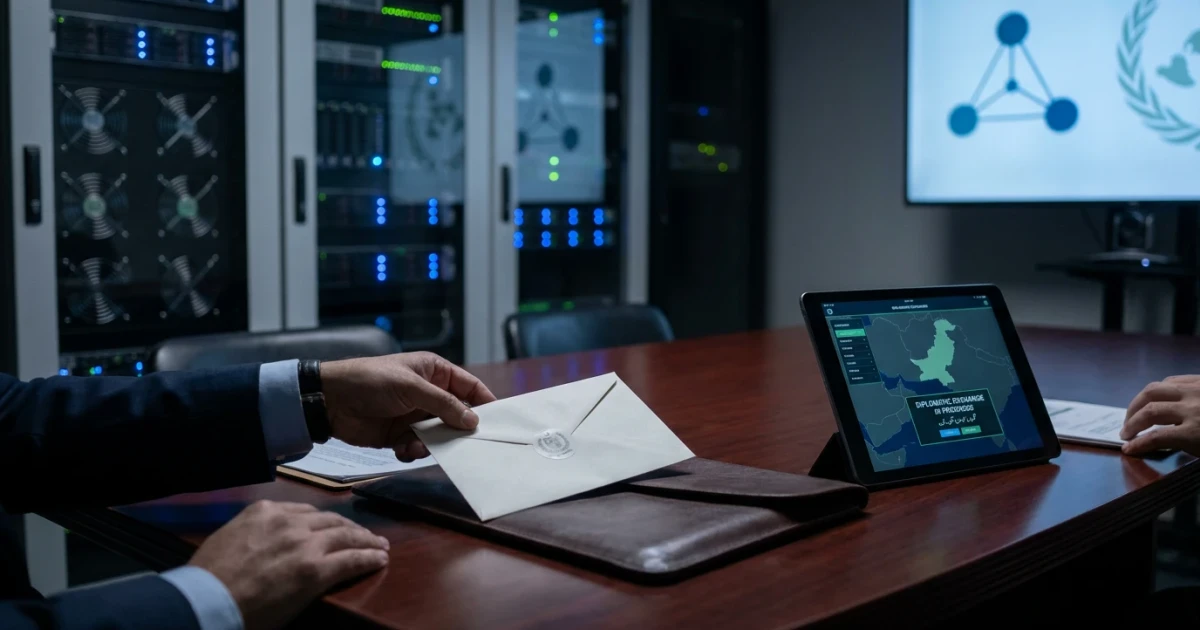
Iran has formally sent its response to a US proposal seeking an end to the ongoing war, choosing Pakistan as its diplomatic intermediary. The action, reported by Al Jazeera, signals a potential thaw in regional tensions and highlights the complex web of mediation efforts shaping the current conflict landscape.
Diplomacy Through a Trusted Regional Partner
According to Al Jazeera, Iran opted to communicate through Pakistan, a country that maintains diplomatic ties with both Tehran and Washington. Pakistan has a history of facilitating dialogue between regional rivals, leveraging its strategic position and longstanding relationships. The use of a third-party mediator underscores the sensitivity and high stakes of the current negotiations, as direct communication channels between Iran and the United States remain limited.
Iran’s decision to route its response through Islamabad reflects the broader trend of regional actors playing pivotal roles in conflict mediation. This approach is consistent with past instances where Pakistan has acted as a bridge in tense situations, including previous efforts to de-escalate Middle Eastern crises. For further insight into the mechanisms and implications of such mediation, readers can examine the International Crisis Group’s analysis of Iran’s regional diplomacy.
Context: Ongoing Conflict and International Stakes
The move comes amid a protracted war with significant humanitarian and geopolitical repercussions. The United States, seeking to bring the conflict to a close, has offered a proposal for peace, the details of which have not been disclosed publicly. Iran’s careful and deliberate response process indicates both the gravity of the proposal and the complexity of the issues at stake.
- The war has led to widespread humanitarian challenges, with displacement and resource shortages impacting millions of civilians. For detailed humanitarian impact data, see UN OCHA’s situation reports on Iran.
- Regional actors, including Pakistan, have been called upon to help mediate and reduce the risk of further escalation.
- International organizations and governments are closely monitoring the situation, as any breakthrough could reshape power dynamics across the Middle East.
Pakistan’s Role in Mediation
Pakistan’s involvement as a mediator reflects both its strategic interests and its desire for regional stability. The country has previously hosted talks aimed at reducing tensions between Iran and other regional rivals. Islamabad’s willingness to facilitate communication between Tehran and Washington reinforces its position as a key diplomatic player. For more on Pakistan’s historical and current role in arms transfers and regional security, readers can access the SIPRI Arms Transfers Database.
Implications for Regional Security
The exchange of messages via Pakistan adds a new layer to the ongoing efforts to resolve the conflict. It demonstrates both sides’ willingness to engage—if indirectly—in dialogue aimed at de-escalation. While the precise content of Iran’s response remains undisclosed, the very act of sending a formal reply is a notable development.
Diplomatic observers note that such mediation efforts, while not unprecedented, are crucial in the absence of direct channels. According to research by the Council on Foreign Relations, Iran’s involvement in regional conflicts and its approach to negotiations often rely on intermediaries when direct talks are deemed politically unfeasible.
Looking Ahead
As the international community awaits any official statements regarding the outcome of this exchange, the use of third-party mediation by Pakistan could provide a template for future diplomatic engagement in the region. Whether this step leads to concrete de-escalation or a broader peace process will depend on the responses from both Iran and the United States, as well as the continued engagement of regional and international stakeholders.
For ongoing updates and in-depth analyses on Iran’s diplomatic activities and the broader Middle East conflict, readers are encouraged to consult dedicated resources such as the US State Department’s Country Reports on Iran and the World Bank’s economic data on Iran.