World
Iran Reviews US 15-Point Ceasefire Plan Amid Ongoing Negotiations
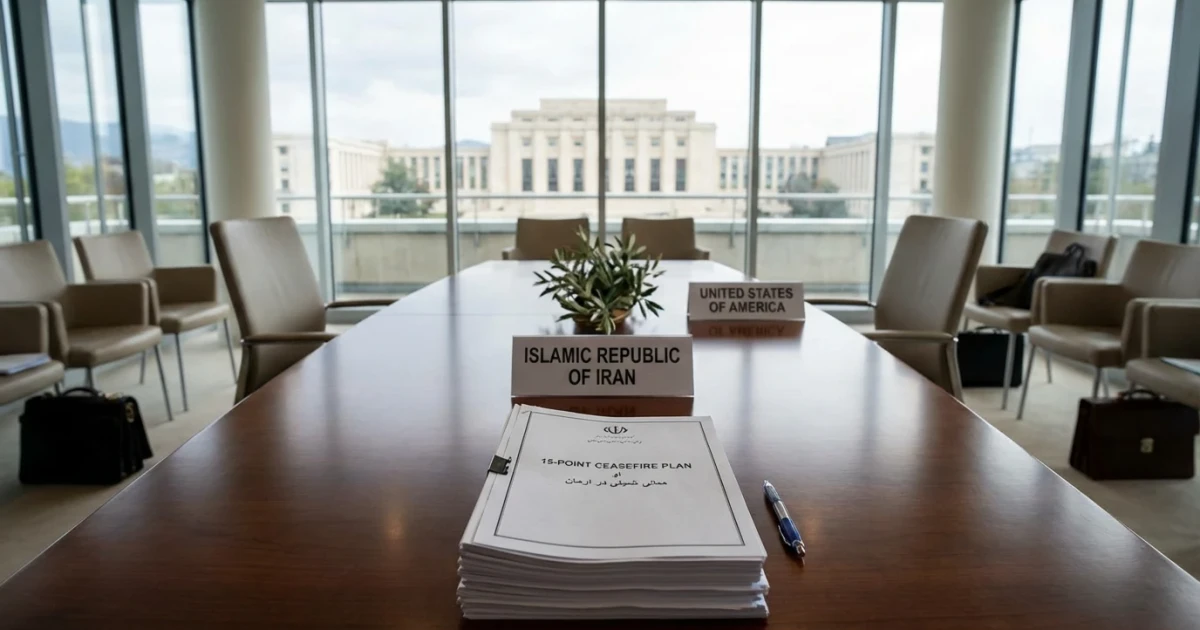
Iran has received a 15-point ceasefire proposal from the United States, according to senior Pakistani officials, as diplomatic efforts intensify to bring an end to the ongoing conflict. The proposal, delivered by the Trump administration, marks a significant step in ongoing negotiations and signals potential movement toward de-escalation between Tehran and Washington.
Details of the US Proposal
The 15-point plan, as reported by AP News, was sent to Iran with the aim of establishing a framework for a ceasefire and restoring stability in a region marked by heightened tensions and sporadic violence. While the full details of the proposal have not been made public, officials familiar with the negotiations described it as a comprehensive document addressing key security, political, and humanitarian concerns.
- The plan reportedly seeks commitments on the reduction of hostilities, including limitations on military operations in conflict zones.
- It addresses humanitarian access for conflict-affected populations, mirroring priorities outlined in UN OCHA humanitarian reports for Iran.
- It includes provisions for oversight and verification mechanisms, a point often underscored in international arms transfer negotiations.
International Mediation and Regional Reactions
Pakistan’s role as an intermediary was highlighted in the live updates, with officials confirming their involvement in facilitating communication between US and Iranian representatives. The engagement of regional actors reflects a broader diplomatic push supported by the international community to prevent further escalation. According to background analysis from sources such as the International Crisis Group, mediation by neighboring countries has often been a critical factor in advancing dialogue during past standoffs.
Negotiation Status and Official Statements
While the US proposal was confirmed by multiple officials, American leadership has remained cautious in their public statements. Former President Donald Trump stated that negotiations were "in progress," underlining the ongoing and sensitive nature of the discussions. No further details on Iran’s official response or timeline for talks were immediately available.
Background: US-Iran Tensions and Diplomatic Context
This ceasefire initiative follows years of fluctuating relations between the two countries, with periods of open hostility interspersed with cautious engagement. The Council on Foreign Relations timeline documents numerous attempts at negotiation, often complicated by regional conflicts, sanctions, and issues related to nuclear proliferation.
International observers have noted that previous efforts to secure lasting agreements have faltered amid mutual suspicions and shifting regional alliances. The new 15-point framework, if accepted, could mark a significant step toward reducing violence and opening the door for broader cooperation on security and humanitarian issues.
Potential Impact and Next Steps
Experts caution that much remains uncertain, including the likelihood of Iran’s acceptance and the implementation of any agreement. The UN Security Council’s sanctions regime remains a major factor influencing negotiations, as do ongoing concerns raised in US State Department terrorism reports and regional security assessments.
For now, international attention remains focused on the outcome of these talks, with humanitarian organizations and diplomatic observers calling for transparency and sustained engagement to ensure any ceasefire is robust, monitored, and paves the way for long-term stability.
Conclusion
The delivery of a US 15-point ceasefire proposal to Iran represents a potentially pivotal moment in efforts to end the current conflict. As negotiations continue, the coming days will be critical for assessing the prospects of a breakthrough and the wider implications for regional security and humanitarian relief.