World
Iran says draft US deal would ease sanctions and cap nuclear work
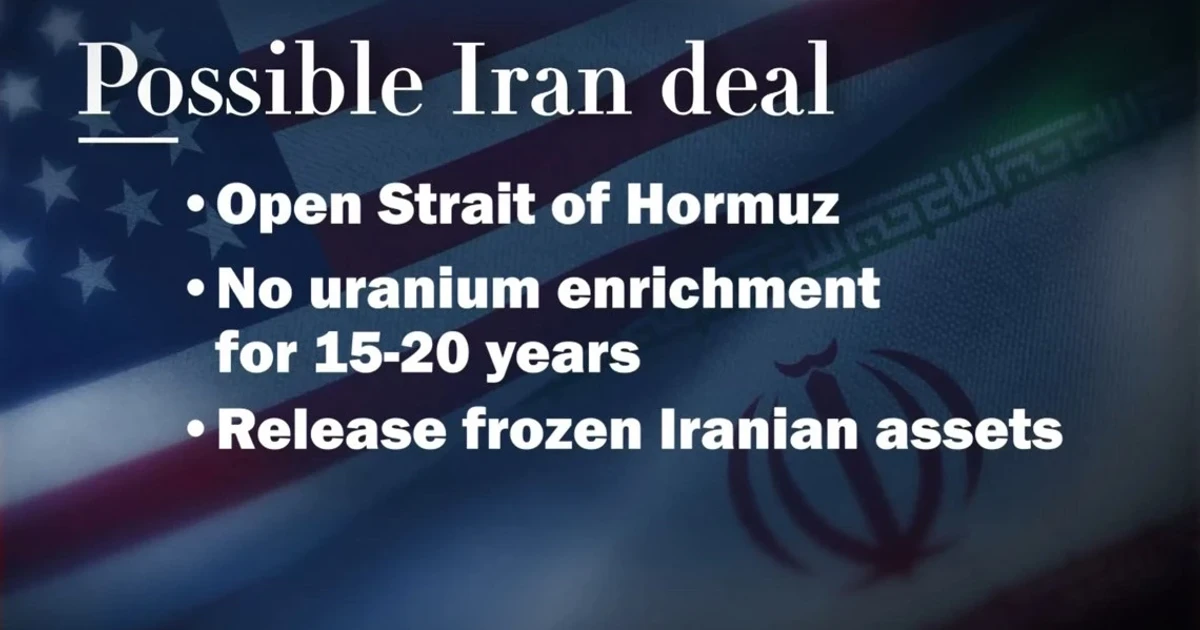
A fast-moving draft between Washington and Tehran would test whether both capitals are willing to trade real leverage, not just rhetoric. The proposal would pair sanctions relief and asset releases with immediate nuclear restraints and a reopening of the Strait of Hormuz, a route that carries a large share of the world’s oil traffic.
Under the reported terms, Iran would reopen the strait to all commercial vessels, while the U.S. would lift its naval blockade on Iranian ports within 30 days of signing the memorandum. The draft also included a U.S. waiver on oil sanctions for a specified period and the release of $25 billion in Iran’s frozen assets, with the money flowing through direct cash transfers, regional cooperation and financial credit lines.
The nuclear section was equally explicit. Iran would agree not to produce or acquire nuclear weapons, and it would keep the current status quo until a final deal was reached. That meant no new uranium enrichment and no expansion of nuclear facilities while the agreement remained pending. A mechanism to dilute Iran’s highly enriched uranium stockpile inside Iran would be discussed within 60 days, alongside talks on a final deal.
That 60-day window is the clearest sign that both sides are treating the draft as a bridge, not a settlement. A U.S.-backed reconstruction and development plan for Iran would also be negotiated in that period, adding another layer of political and economic stakes to an already narrow negotiating track.
The hardest sell in Washington is likely to be the combination of oil sanctions relief, a naval pullback and a multibillion-dollar asset release before a durable accord is in place. In Tehran, the pressure points run the other way: accepting limits on enrichment, freezing any expansion of nuclear facilities and agreeing to a U.S.-linked process while domestic hard-liners argue that concessions invite more pressure later. Those tensions help explain why the draft looks less like a breakthrough than a high-stakes inventory of what each side might actually concede.
Qatari negotiators traveled to Tehran on Sunday, June 14, 2026, in an effort to finalize the agreement. Donald Trump said on Truth Social that the deal would be signed on Sunday and that the Strait of Hormuz would then be open to all, but Iranian media said Tehran had not yet made a final decision. For now, the draft shows how much is on the table and how far apart the two sides still are on whether the price is worth paying.
Sources
- [1]news.google.com
- [2]al-monitor.com
- [3]alarabiya.net
- [4]english.alarabiya.net
- [5]euronews.com
- [6]cnbc.com