World
Iran says Israeli forces must leave Lebanon under US deal
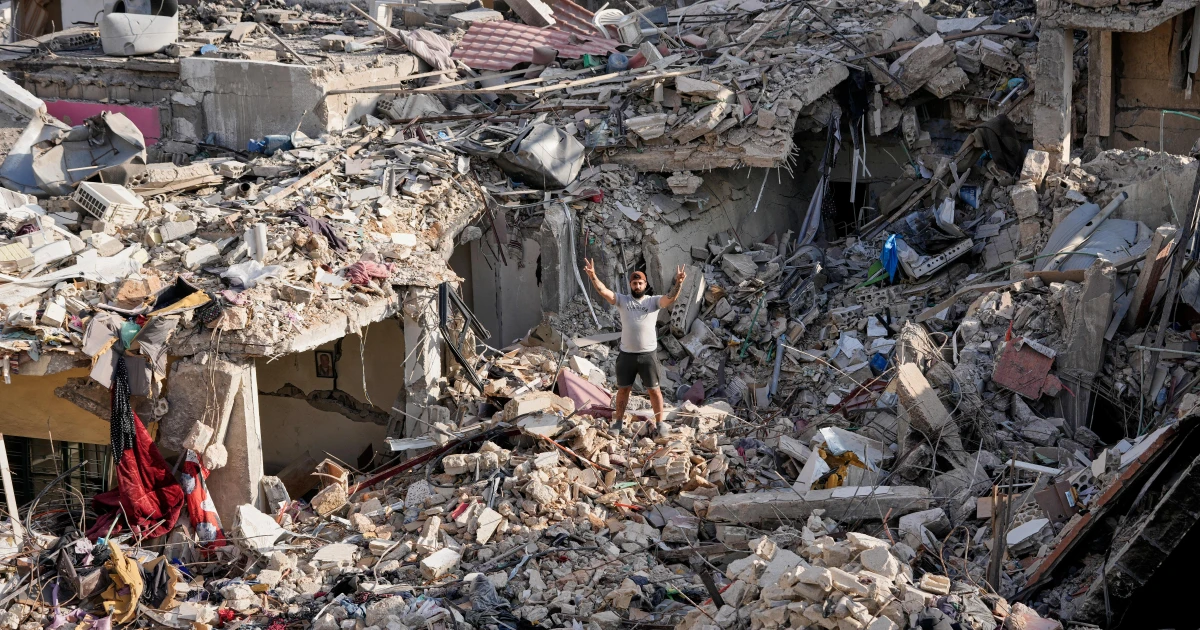
The clearest terms in the U.S.-brokered arrangement point to a ceasefire that hinges on Hezbollah’s guns falling silent and its operatives leaving south of the Litani River, with the Lebanese army slated to take exclusive control in pilot zones. Iran’s foreign minister said Israeli troops could not remain in Lebanon under the pending deal, but Israeli officials said the agreement did not bind Israel and that its forces would stay, hardening the gap between the text on paper and the battlefield reality.
That clash matters because the deal is being sold as a test of whether diplomacy can produce real de-escalation, not just another round of competing claims. A signing ceremony for the U.S.-Iran memorandum of understanding was expected Friday in Switzerland, but the political message from Jerusalem and Tehran has already split sharply over one central issue: whether Israeli forces are required to leave Lebanese territory.
The June 2-3 U.S.-led talks produced a joint statement saying Israel and Lebanon agreed to implement a ceasefire, but only if Hezbollah stopped firing and withdrew its operatives from south of the Litani River. The same statement called for pilot zones where the Lebanese army would take exclusive control, a detail that suggests the deal’s enforcement would depend heavily on Lebanese state institutions rather than any outside force. Hezbollah rejected the latest ceasefire agreement and demanded a complete Israeli withdrawal, leaving the basic sequence of compliance unresolved.
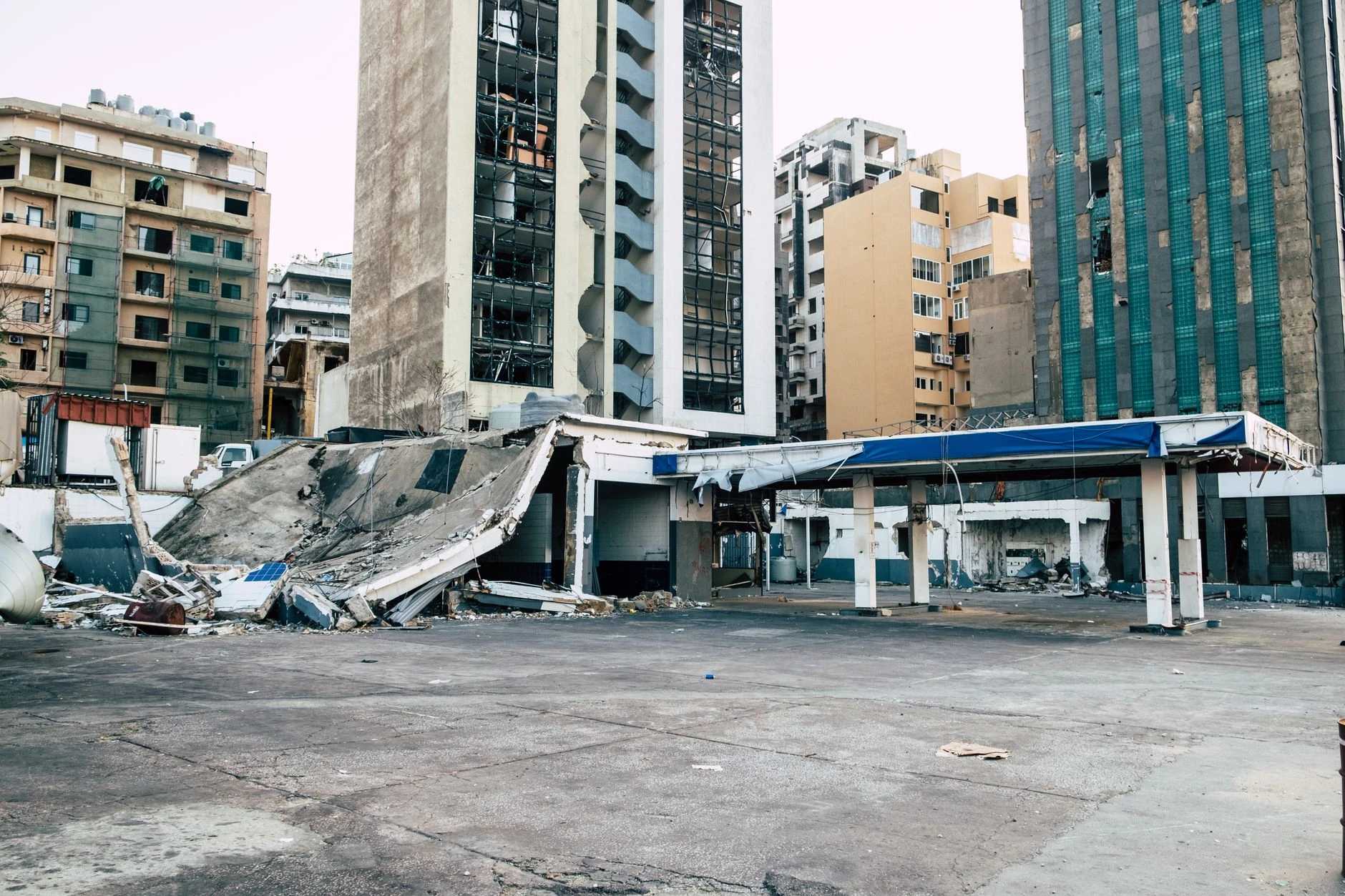
On the ground, civilians continue to pay the price for that uncertainty. The United Nations said 3,412 people had been killed and more than 10,000 injured in Lebanon since March 2, and said a U.S.-brokered ceasefire on April 17 was never fully observed by either side. It also said thousands fled Beirut’s southern suburbs after renewed Israeli strike threats, while AP reported that Israeli strikes killed at least four people in Lebanon during the latest round of fighting.
In Nabatiyeh, some residents who returned found homes destroyed or damaged by war, a reminder that any diplomatic breakthrough has not yet translated into safety or recovery. Families in Beirut, Tyre and Saida have also been forced to move amid renewed strikes and displacement orders, underscoring how fragile the truce remains for people trying to return to neighborhoods already hollowed out by war.
Sources
- [1]news.google.com
- [2]cbsnews.com
- [3]apnews.com
- [4]news.un.org
- [5]state.gov
- [6]dw.com