World
Iran says Israeli troops must leave Lebanon under pending US deal
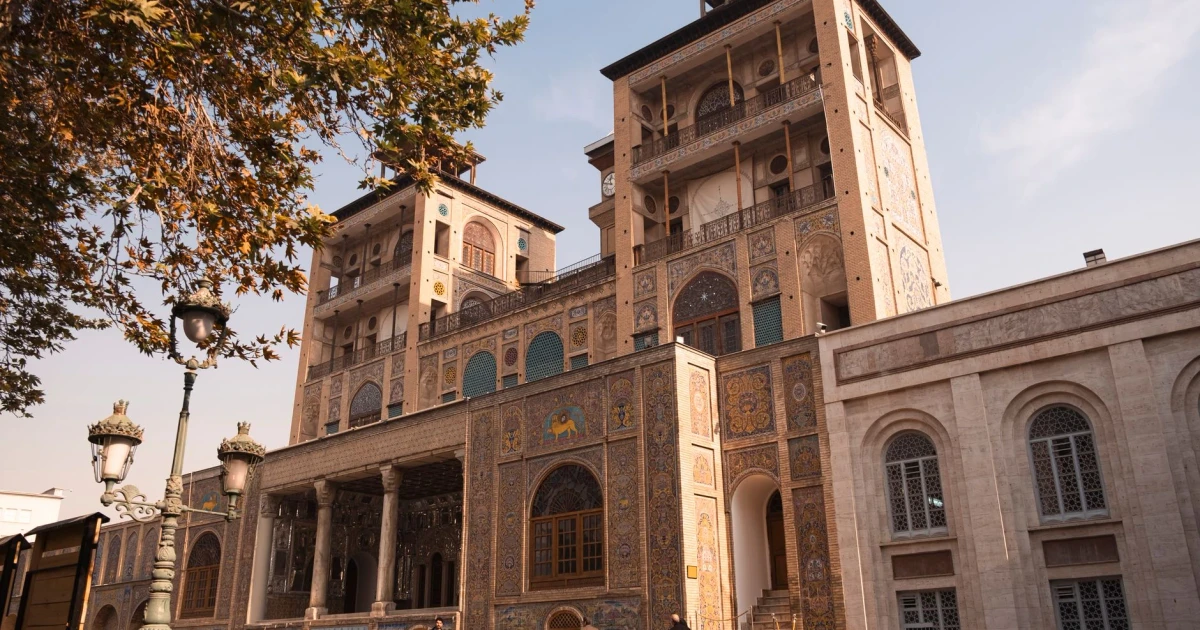
Iranian Foreign Minister Abbas Araghchi said Israeli troops could not remain in southern Lebanon under the pending U.S. agreement, drawing a hard line that could determine whether the deal survives contact with events on the ground. He said any continued Israeli presence would violate the memorandum of understanding and that further Israeli attacks on Lebanon would also count as violations.
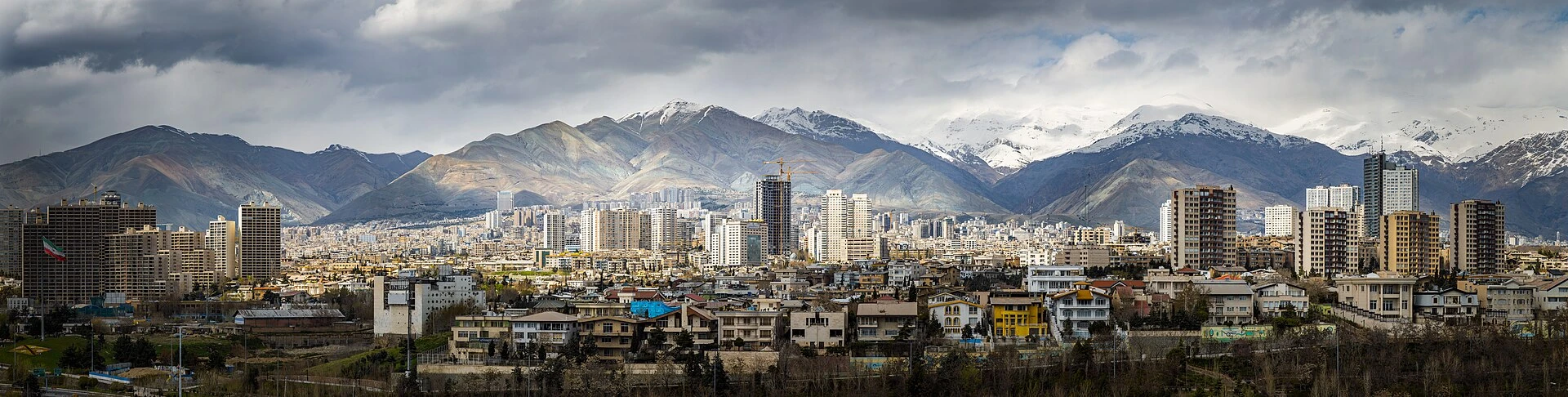
Araghchi made the remarks in Tehran to foreign diplomats, in comments broadcast on Iranian state television, and cast the Lebanon clause as central to the wider bargain. “The end of the war in Lebanon is an inseparable part of the complete end of the war,” he said, adding that the conflict would not be fully over unless Israeli forces withdrew from the territories they occupied during the war.
That position puts Tehran directly at odds with Israel, which has said its forces will stay in Lebanon and that the U.S.-Iran agreement does not bind Israel. Benjamin Netanyahu has said the struggle had not ended and that Israeli troops would remain in “security zones” in Lebanon. Israeli officials have also said the agreement was not written to require an Israeli withdrawal.
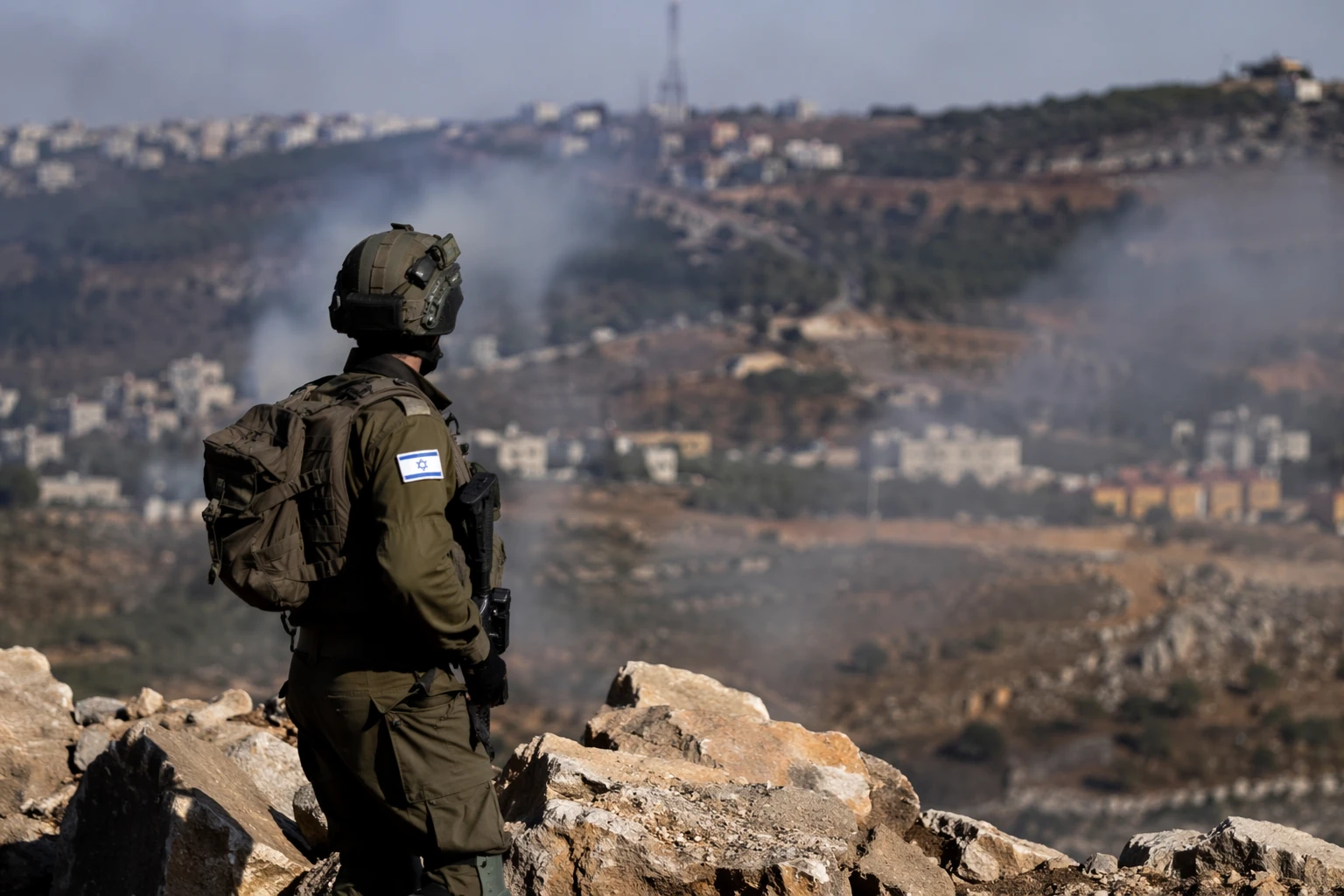
The dispute matters because it goes to the core of enforcement. If Israeli forces remain in place, the ceasefire would cover only U.S.-Iran hostilities and not the ground war in southern Lebanon, where Hezbollah and Israeli forces have been fighting for months. The U.S. has not publicly confirmed that Lebanon was part of the final deal, and questions persist over the still-unpublished text that is expected to be formally signed later in the week in Switzerland or Geneva.
The agreement was announced after more than 100 days of war that began with joint U.S.-Israeli airstrikes on February 28, 2026. It reportedly includes a 60-day negotiating period for Iran’s nuclear program and other issues, while the Strait of Hormuz was said to be reopening by Friday. Several shipping firms have remained cautious because the terms have not been fully released.
On the Lebanese side, the timing has already had a human cost. Authorities warned displaced residents in the south not to rush home, even as some people began returning to border villages on June 15, 2026, amid cautious calm. The Lebanese army also urged residents of border villages to delay their return because the security situation remains fragile. For Iran, the fight now reaches beyond the nuclear file: it is framing the deal as one that must settle the battlefield in Lebanon as well, with Hezbollah firmly part of the equation.
Sources
- [1]cbsnews.com
- [2]yahoo.com
- [3]usnews.com
- [4]aljazeera.com
- [5]news.un.org
- [6]english.alarabiya.net