World
Iran says it fired warning shot in Strait of Hormuz, warns US back off
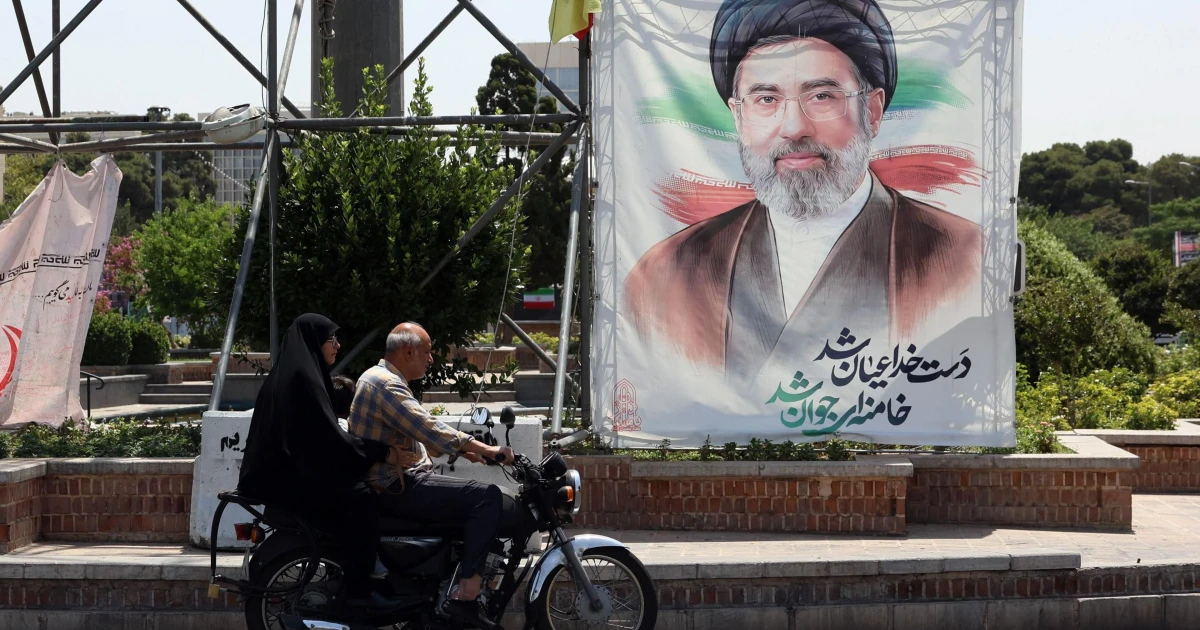
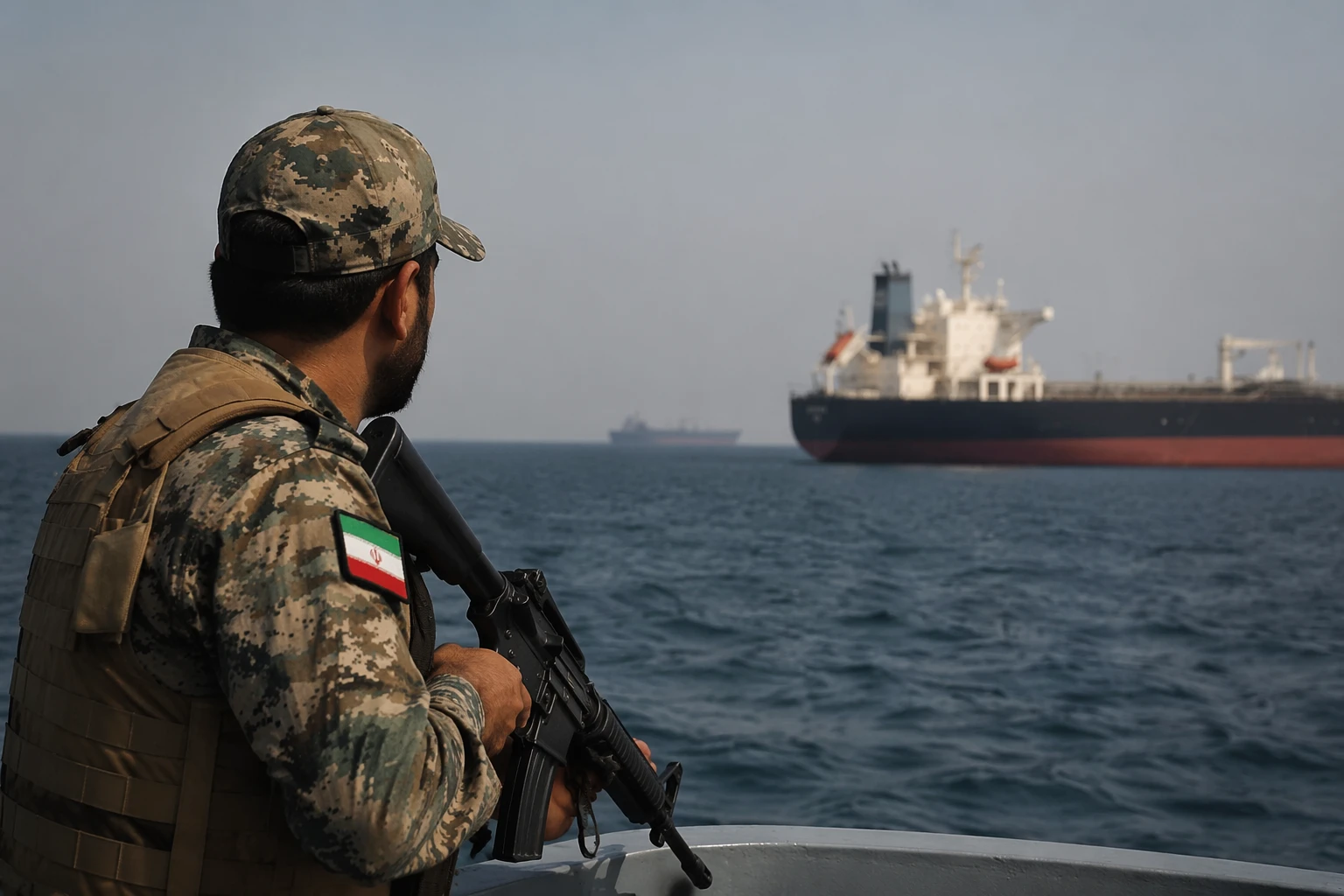
Iran’s Islamic Revolutionary Guard Corps said it fired a warning shot at a vessel in the Strait of Hormuz and warned the United States not to respond with “aggression,” intensifying pressure on the narrow waterway that links the Persian Gulf with the Gulf of Oman and the Arabian Sea. The Guard navy also said the strait was closed “until further notice,” a declaration that, if enforced, would threaten one of the world’s most important energy corridors and quickly ripple through shipping costs and global fuel prices.
The stakes are unusually high because the Strait of Hormuz carried an average of about 20 million barrels of oil a day in 2024, roughly 20% of global petroleum liquids consumption. It also handled about 20% of global liquefied natural gas trade that year, mostly from Qatar. The U.S. Energy Information Administration has said the strait has very few alternatives if traffic is blocked, making even a temporary disruption enough to move markets.
That sensitivity was visible after earlier regional tensions, when Brent crude rose from $69 a barrel on June 12 to $74 on June 13. The EIA also said crude oil and condensate flows through Hormuz fell by 1.6 million barrels a day between 2022 and 2024, and that disruptions in 2024 pushed Saudi Aramco to reroute some crude overland through its East-West pipeline to Red Sea ports.
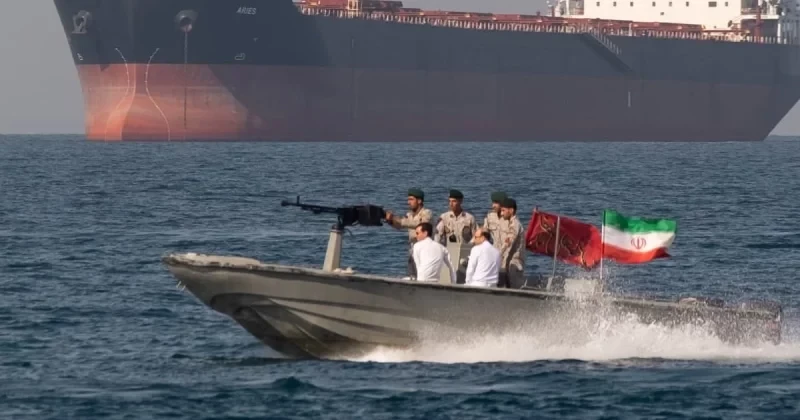
Maritime officials have been warning for weeks that the situation was straining crews and shipping routes. The International Maritime Organization said on July 8 that hundreds of ships with around 6,000 seafarers remained stranded in the Persian Gulf. On June 23, it said it was preparing a large-scale evacuation for about 11,000 seafarers in the region and had identified temporary sea lanes to help vessels exit safely.
IMO Secretary-General Arsenio Dominguez said attacks on commercial ships had put innocent seafarers in grave danger and urged states, shipowners and operators to avoid exposing crews to unnecessary danger by transiting the strait until safety could be assured. The United Nations said 14 seafarers had been killed in attacks on shipping during the wider conflict. The IMO said vessel departures from the Gulf were being organized in transit groups on specific days, a sign that the threat had already moved from rhetoric into a wider operational crisis.
Sources
- [1]bbc.co.uk
- [2]imo.org
- [3]news.un.org
- [4]eia.gov