World
Iran says Strait of Hormuz deal near, but reopening remains distant
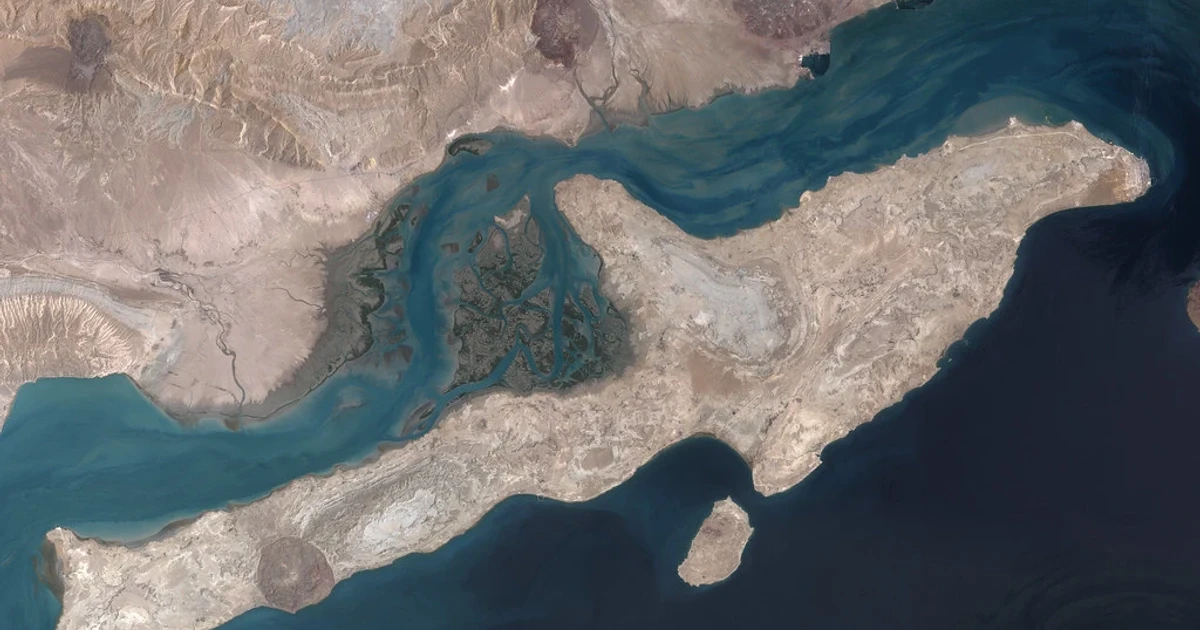
Iran said a deal on the Strait of Hormuz was close, but officials made clear that any agreement alone would not reopen or normalize the waterway. The distinction matters because the strait carried roughly 20 million barrels per day in 2024, about one-fifth of global petroleum liquids consumption, according to the U.S. Energy Information Administration.
The latest comments followed a fast-moving series of signals over the past week. Iran had demanded inbound control of Hormuz and outbound oversight on August 4, then said on August 5 that it and Oman had reached an understanding on the route’s coordinates. By August 6, shipping-industry sources were already saying a proposed passage deal was not feasible. On August 7, a U.S. official said Washington expected a deal soon between Iran and Oman, and Donald Trump said he had “very good discussions” with Iran.
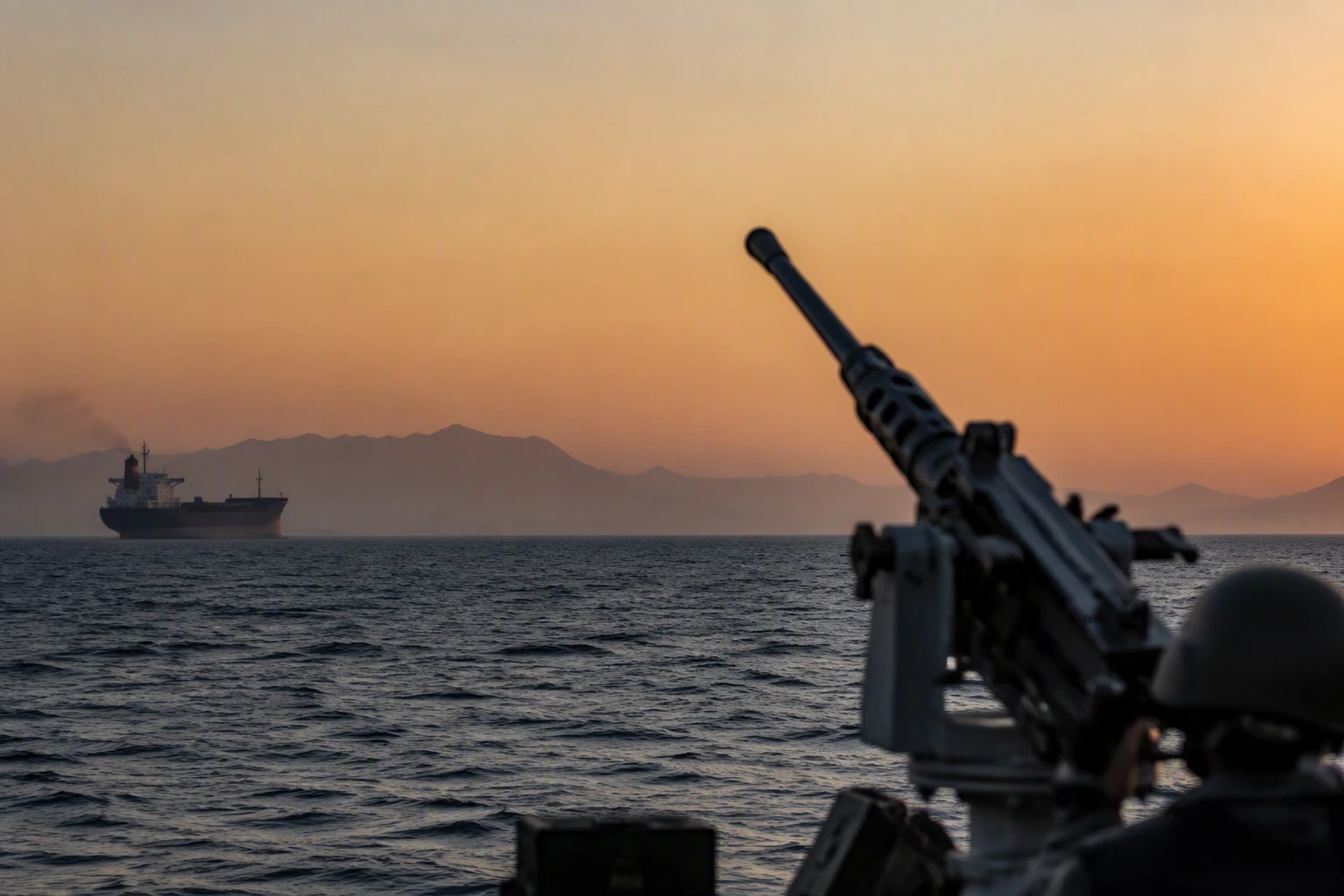
That diplomatic movement did not settle the core question of access. On August 8, Iran’s Revolutionary Guard said reopening the Strait of Hormuz did not depend on talks with Oman. An Iranian state-media official also said Iran and Oman had agreed on a framework, with a final decision to be made at higher levels. Together, those statements suggest that route planning and political approval remain separate hurdles, even if negotiators are narrowing the gap.
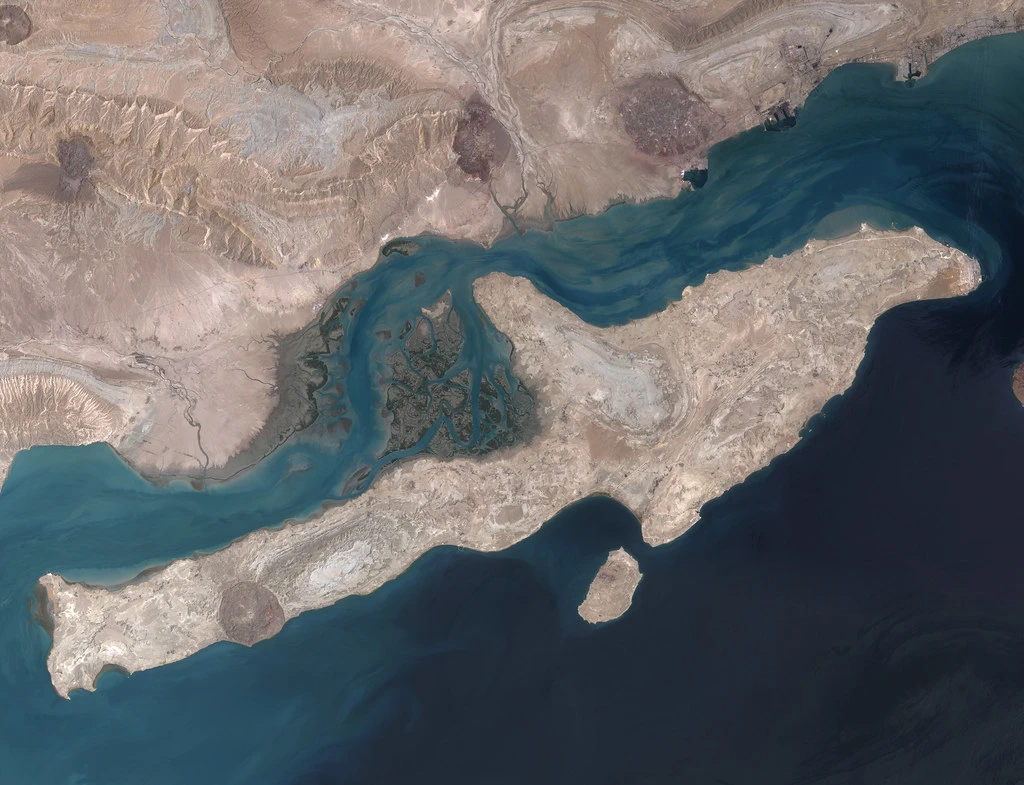
For oil markets and shippers, the uncertainty itself is the problem. The Strait of Hormuz is the world’s most important oil transit chokepoint, and even a short disruption can push up freight costs, insurance premiums and crude prices across global markets. Companies moving cargo through the Gulf have to price not just what has been agreed, but what still needs to be implemented, verified and protected at sea.
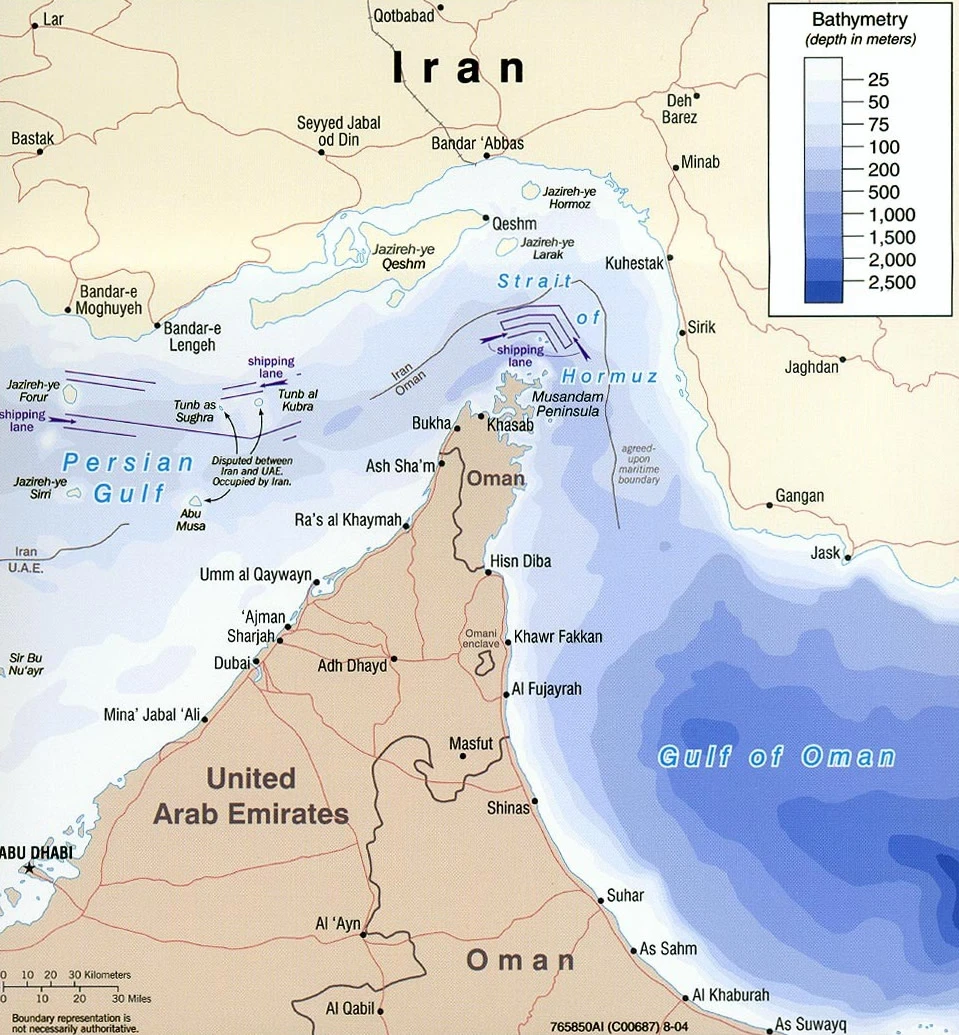
The concern is sharpened by history. In June 2019, tanker attacks in the Gulf of Oman escalated tensions between Iran and the United States. Washington blamed Iran for the attacks, and Tehran rejected the accusation. That episode showed how quickly incidents near the strait can spread beyond the region, turning a narrow waterway into a test of crisis management for energy exporters, importers and naval powers alike.
Sources
- [1]reuters.com
- [2]usnews.com
- [3]aljazeera.com
- [4]eia.gov
- [5]thesoufancenter.org