Sports
Iran says U.S. told World Cup team to leave after draw
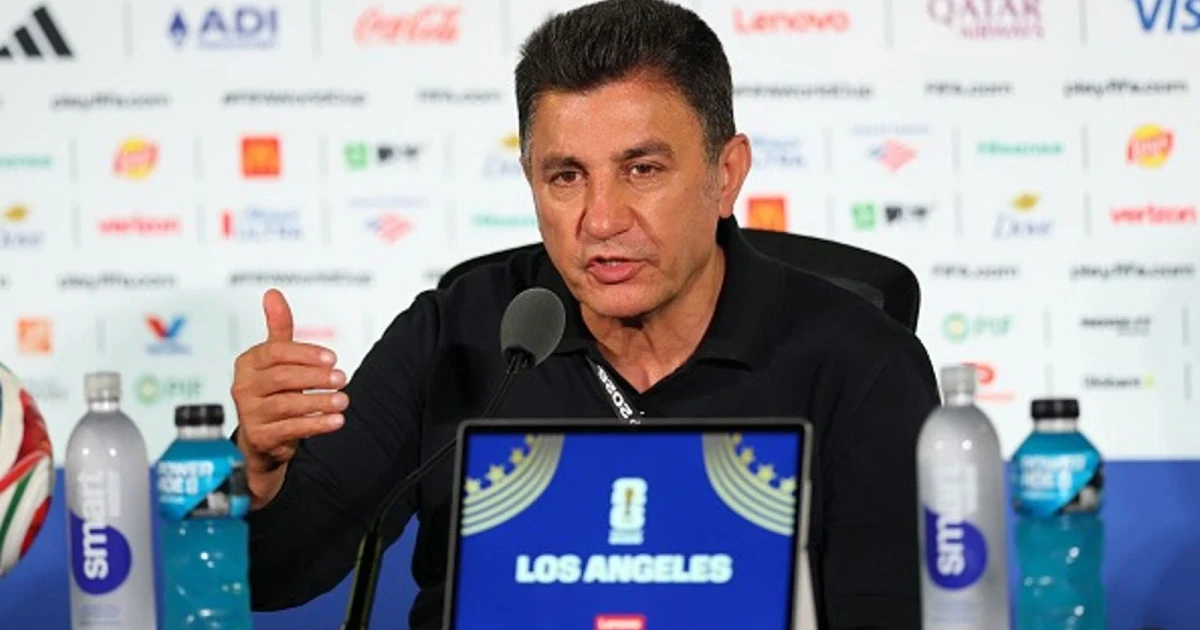
Iran’s World Cup buildup lurched again when head coach Amir Ghalenoei said the national team was told to leave the United States and return to its training base in Mexico after a 2-2 draw with New Zealand in Los Angeles on Monday night. The episode turned a routine international friendly into another sign that geopolitics, visas and security concerns are now shaping where Iran can train, sleep and move between matches on American soil.
The latest disruption did not come out of nowhere. Problems with visa processing had already forced Iran to shift its training base from Tucson, Arizona, to Tijuana, Mexico. Earlier planning had also sent the squad to Turkey for a training camp, friendlies and visa applications before heading to the United States, with Antalya serving as the team’s base there after work in March. The long chain of stops has left Iran’s preparation dependent on decisions made far outside the stadiums where the team will compete.
That uncertainty has collided with the World Cup itself. Iran is scheduled to play two of its three group-stage matches at SoFi Stadium in Inglewood on June 15 and June 21, a setup that has already made the team’s place in the tournament unusually sensitive. Iranian football officials had been negotiating with FIFA about moving Iran’s matches to Mexico after Donald Trump said he could not ensure the team’s security, a statement that hardened concerns about whether Iran could be comfortable or even fully settled in the United States.

The problems surrounding Iran’s travel plans also show how international sports logistics can become entangled with foreign policy. For Iran, the issue is not just where to play but where to be housed, processed and protected while a major tournament unfolds across American venues. The team’s rapid exit after the draw in Los Angeles suggested that the operational margins are thin, and that even a short stay in the U.S. can be vulnerable to political decisions made well above the locker room.
As the tournament approaches and more teams arrive under similar scrutiny, Iran’s route through Tucson, Tijuana, Antalya and Los Angeles stands as a warning. Future U.S.-hosted events may face the same pressure whenever diplomacy, security and visa rules become part of the bracket before the first whistle.
Sources
- [1]cbsnews.com