Sports
Iran seeks World Cup progression amid war and political tension
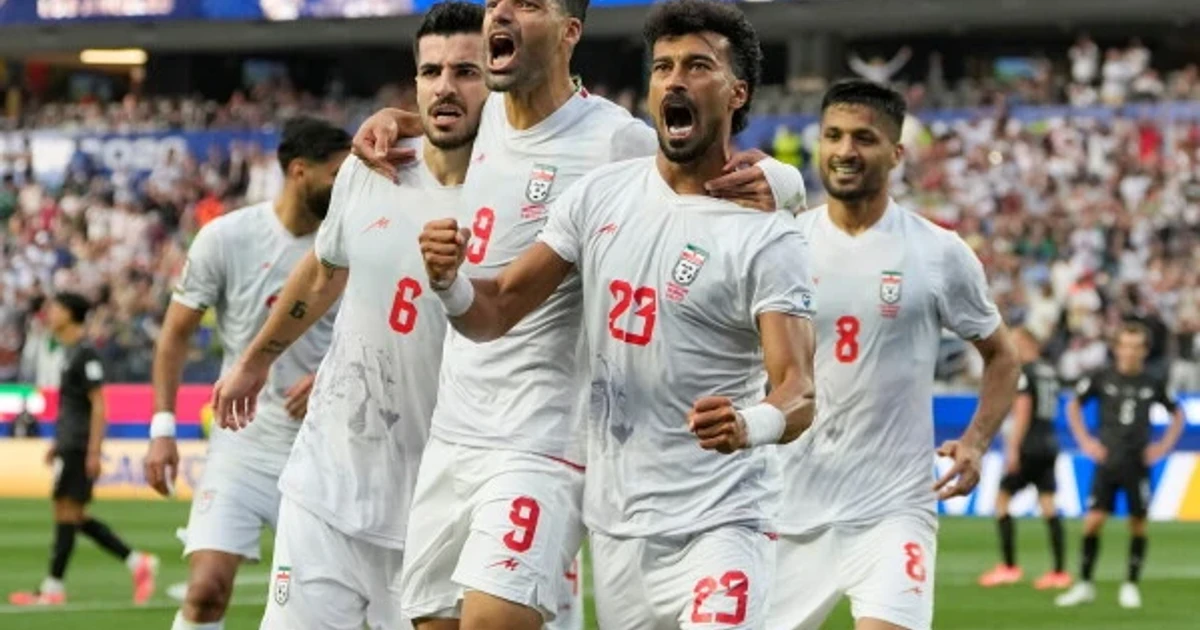
Iran entered Friday’s Group G meeting with Egypt in Seattle needing at least a draw to keep its World Cup run moving, a fixture that carried the weight of conflict far beyond the pitch. The national team had already secured qualification for the 2026 finals on 25 March 2025, when Mehdi Taremi’s second-half brace rescued a 2-2 draw with Uzbekistan in Tehran.
That qualification sent Iran to a seventh World Cup, after appearances in 1978, 1998, 2006, 2014, 2018, 2022 and 2026. The record remains stark: Iran has never advanced beyond the group stage, even though its three World Cup wins came against the United States in 1998, Morocco in 2018 and Wales in 2022. FIFA listed Iran’s other Group G matches as New Zealand in Los Angeles on 16 June and Belgium in Los Angeles on 21 June, before the Seattle date against Egypt.
Head coach Amir Ghalenoei named his 26-player squad in May 2026, building around Taremi and a core that has carried the team through qualification. Taremi scored nine goals in 13 qualifying matches, including four in the third round, and his goals against Uzbekistan sealed the ticket to the finals. Sardar Azmoun was the most notable omission from Ghalenoei’s final selection, while Saeid Ezatolahi, Mohammad Ghorbani, Alireza Jahanbakhsh and Alireza Beiranvand remained part of the wider conversation around the squad.
The tournament has unfolded against a harsher backdrop at home. Iran’s preparations were disrupted after strikes on Iran in February 2026, and players have described a campaign overshadowed by war and political strain. Taremi said the joy of competing had been undermined by the tense political situation surrounding the team’s participation.
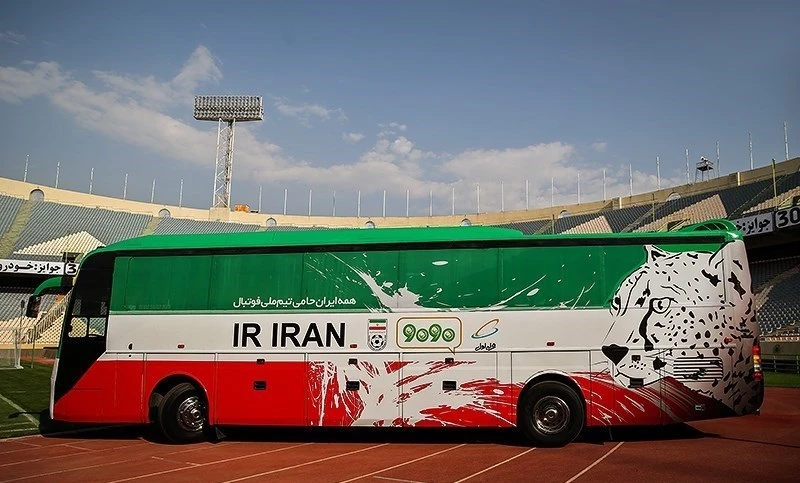
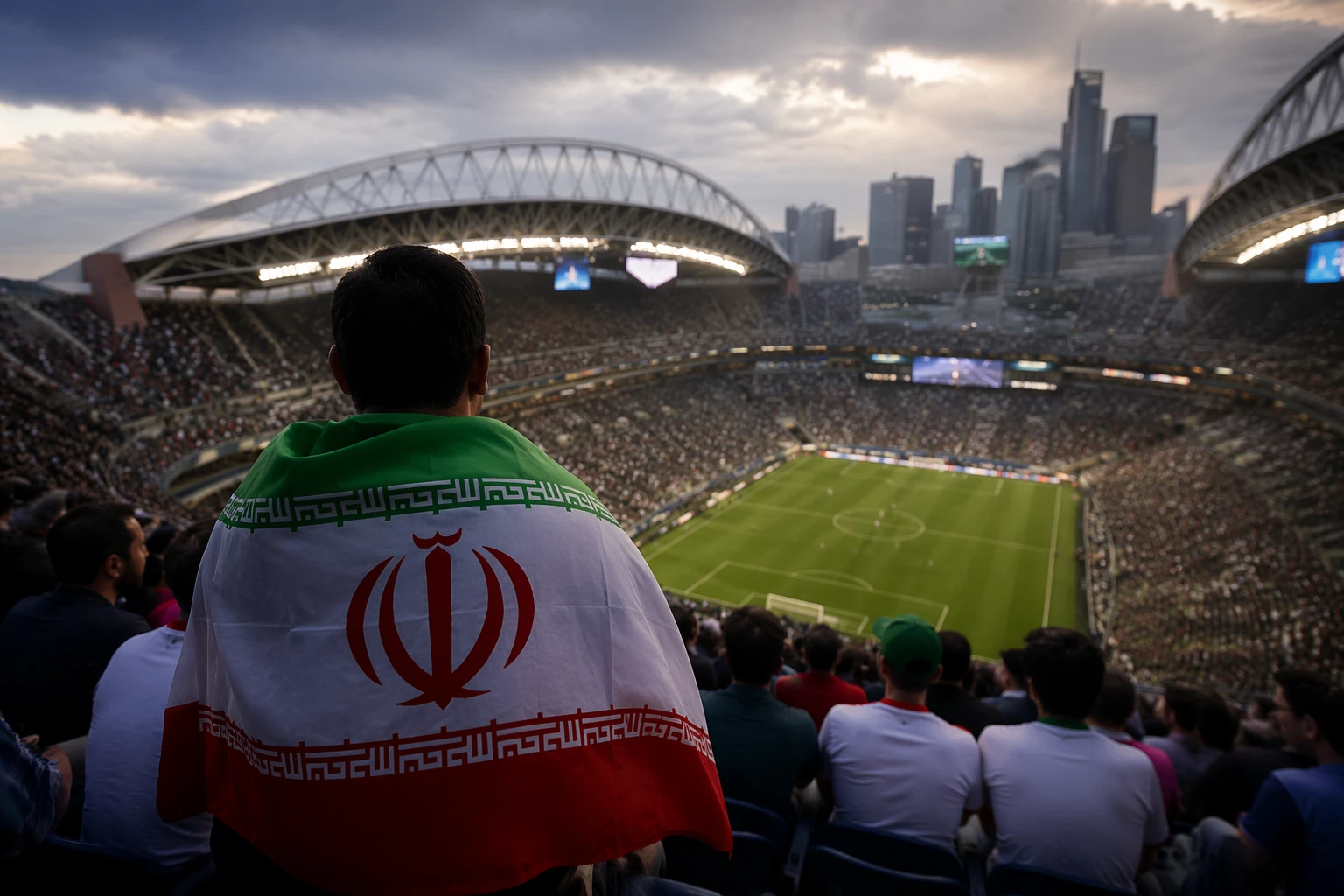
Those tensions followed the squad across the Atlantic. Iran’s football federation objected to Pride-related ceremonies and promotional activities around the Seattle match against Egypt, adding another off-field dispute to a campaign already shaped by travel hurdles, visa disputes and political friction. For Iran, the World Cup has become a stage where football still matters, but can no longer stand apart from the pressures pressing in around it.
Sources
- [1]nytimes.com
- [2]fifa.com
- [3]rte.ie
- [4]aljazeera.com
- [5]newsweek.com
- [6]time.com