World
Iran sentences singer Parastoo Ahmadi to lashes, travel ban for hijab protest

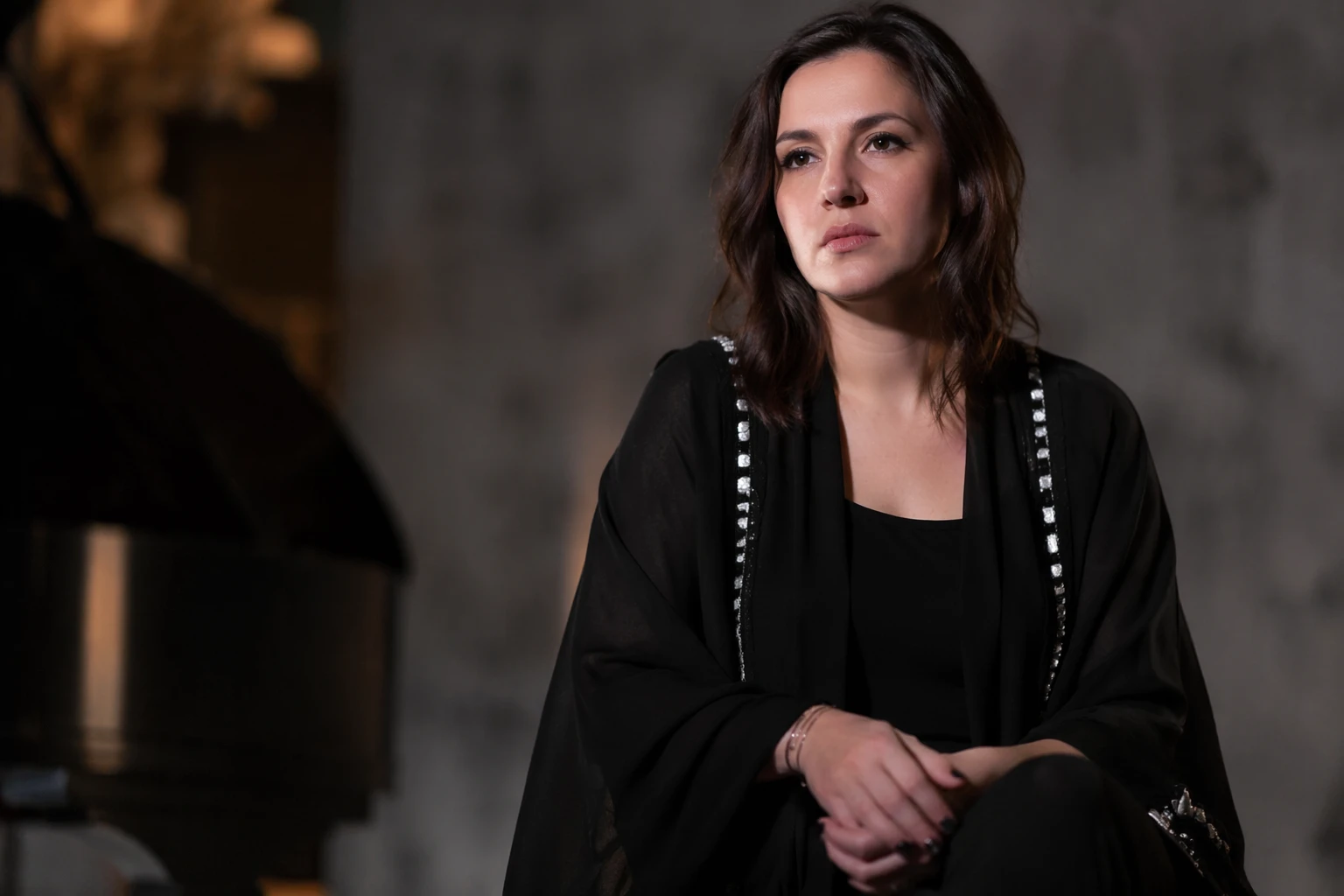
Iran has handed singer Parastoo Ahmadi and eight members of her production team 74 lashes each, along with two-year bans on leaving the country and performing, in a case that shows how the state is policing women’s bodies, artistic expression and dissent at the same time. The sentence deepens fears that there is little room for moderation inside Iran’s postwar political order, especially when a woman’s voice reaches millions outside state control.
Ahmadi’s case began with a December 2024 performance of the patriotic song From The Blood Of the Youth of the Homeland in an empty theater space, livestreamed on YouTube without a hijab. The video has reportedly drawn about 2.9 million views over the last two years, turning a single performance into a national flashpoint over compulsory veiling and artistic freedom. Iranian police briefly detained Ahmadi after the performance and later released her.
A criminal court in conservative Qom province issued the ruling, according to the reports. Authorities justified the punishment by saying the material was vulgar or immoral and violated public decency rules. The sentence covers Ahmadi and eight people on her production team, including musicians, each of whom received the same flogging sentence and the same two-year restrictions on travel and artistic activity.
The punishment arrives in a country where women singers face escalating pressure for defying dress rules and speaking publicly through art. Amnesty International says Iranian authorities have intensified their crackdown on women’s rights defenders, journalists, singers and other activists who demand equality or reject compulsory veiling, using arbitrary detention, unjust prosecution, flogging and even the death penalty.
The Ahmadi case also lands in a broader climate of visible state violence against musicians. Human Rights Watch said singer Mehdi Yarrahi received 74 lashes on March 5, 2025, for a protest song tied to the Woman, Life, Freedom movement. Together, the cases suggest a system that does not treat a concert, a lyric or an uncovered head as isolated acts, but as linked offenses against state authority.
For Iranian women artists, the message is unmistakable. The state is not simply limiting one performance or one singer’s career. It is drawing a line around who may appear in public, what may be sung, and how far dissent can travel before the punishment follows.
Sources
- [1]nytimes.com
- [2]rferl.org
- [3]hrw.org
- [4]amnesty.org