US News
Iran Sets Conditions for Ceasefire, Rejects US Proposal
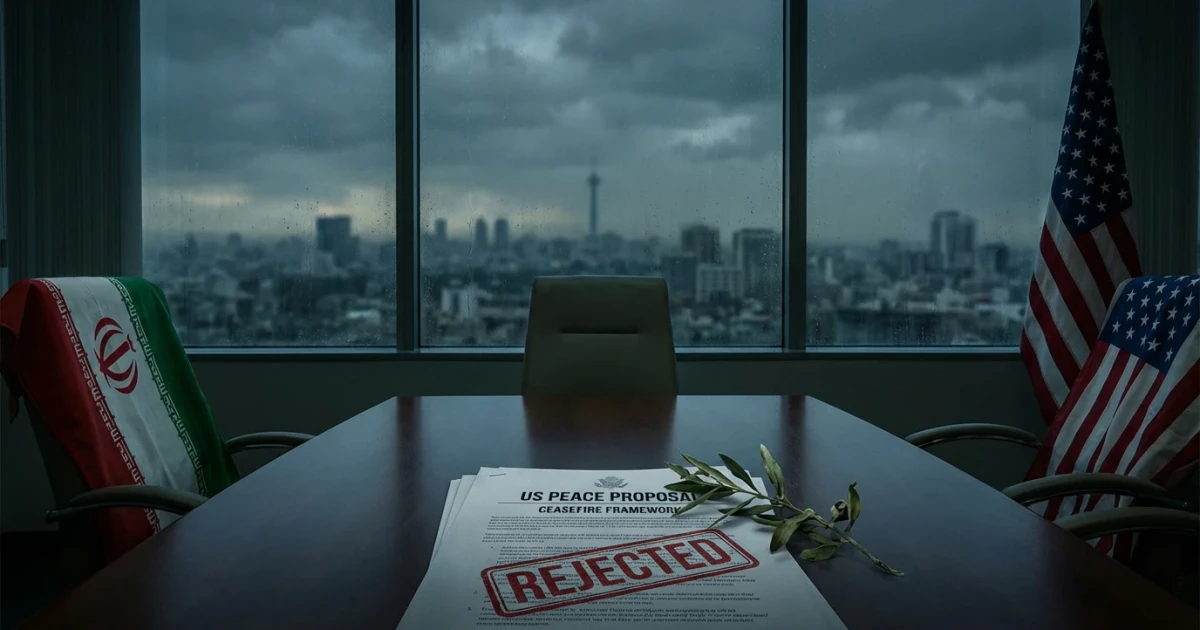
Tehran has drawn a firm line in ongoing diplomatic efforts to end the Iran war, announcing its own set of conditions for a ceasefire while rejecting a US-backed peace proposal. The latest developments highlight the complexity of negotiations and underscore the gulf between Iranian and American positions.
Tehran's Stance: Own Terms for Ending War
According to reporting by DW, Iranian officials have formally communicated their demands for ending the conflict, insisting that any agreement must prioritize Iran’s regional security concerns and sovereign interests. While specific details of Tehran’s conditions were not fully disclosed, sources close to the negotiations suggest these likely include the withdrawal of foreign troops from neighboring countries, guarantees against future attacks, and the lifting of economic sanctions.
US Proposal Rejected
Tehran’s outright rejection of the US plan marks a significant setback in international efforts to broker peace. American officials had reportedly offered a multi-stage roadmap for de-escalation, including an immediate ceasefire, phased sanctions relief, and provisions for renewed diplomatic talks. However, Iran dismissed the proposal, arguing it fell short of addressing core issues and failed to provide adequate assurances for Iranian security.
- The US plan included immediate cessation of hostilities and phased economic relief
- Iran’s concerns focus on regional military presence and guarantees against future interventions
- Tehran demands full recognition of its role in regional security
International Implications and Diplomatic Deadlock
The impasse raises concerns about the potential for prolonged conflict and regional instability. Analysts note that Iran’s rejection of the US plan is consistent with its longstanding position on international sanctions and foreign military deployments. The stalemate also complicates efforts by European and regional mediators to facilitate dialogue, as Tehran’s conditions appear non-negotiable at this stage.
Data from the SIPRI Arms Transfers Database shows that military activity and arms transfers in the region have increased since the outbreak of hostilities, further heightening tensions among neighboring states. Meanwhile, ongoing monitoring by the International Atomic Energy Agency (IAEA) continues to track developments related to Iran’s nuclear program, a perennial point of contention in talks with the US and European powers.
Context: A History of Tensions
The current standoff builds on years of fluctuating relations between Tehran and Washington, marked by cycles of diplomacy, sanctions, and military standoffs. A comprehensive Iran–US tensions timeline from the International Crisis Group outlines key flashpoints, including US withdrawal from the nuclear deal, targeted sanctions, and recent escalations in the Gulf region.
Efforts to restart negotiations have been complicated by shifting alliances and concerns over regional security architecture. Expert analysis from the Council on Foreign Relations underscores Iran’s desire to leverage its military capabilities and strategic partnerships to strengthen its bargaining position.
Looking Ahead
With both sides entrenched, prospects for an immediate resolution appear limited. The coming weeks are expected to see continued shuttle diplomacy by European and regional actors, but the fundamental disagreements over security guarantees and sanctions relief remain unaddressed.
As negotiations continue, the risk of further escalation persists. Stakeholders across the region and in the broader international community are closely watching for signs of compromise or new proposals that could bridge the gap between Tehran and Washington’s demands.