World
Iran shipped billions in oil during brief cease-fire with U.S.
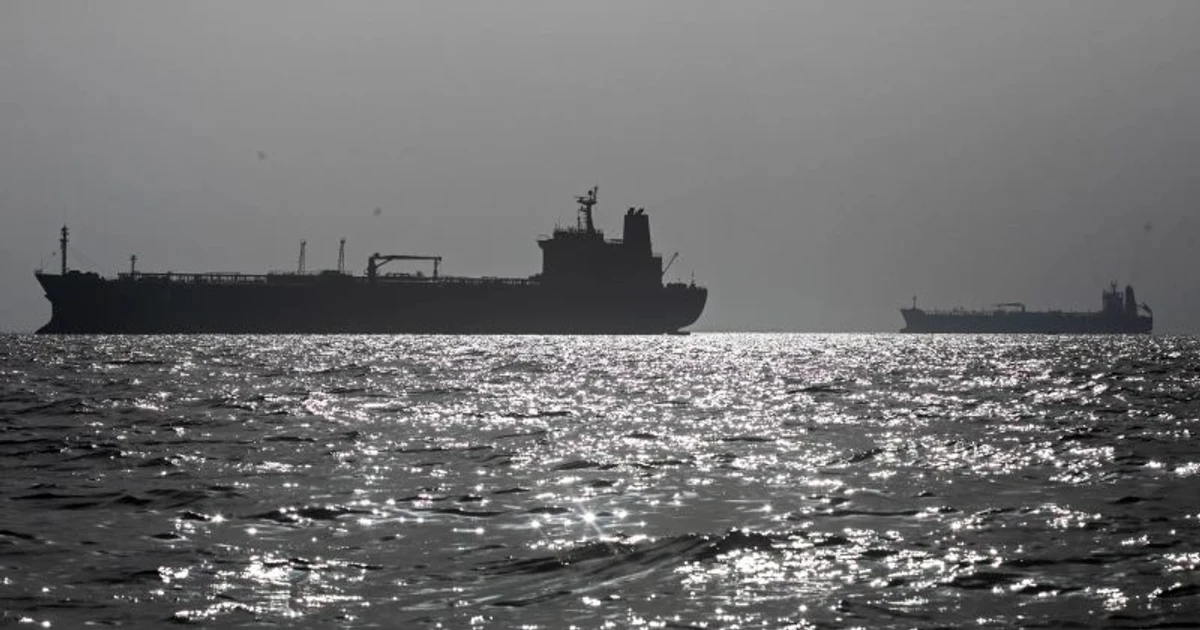
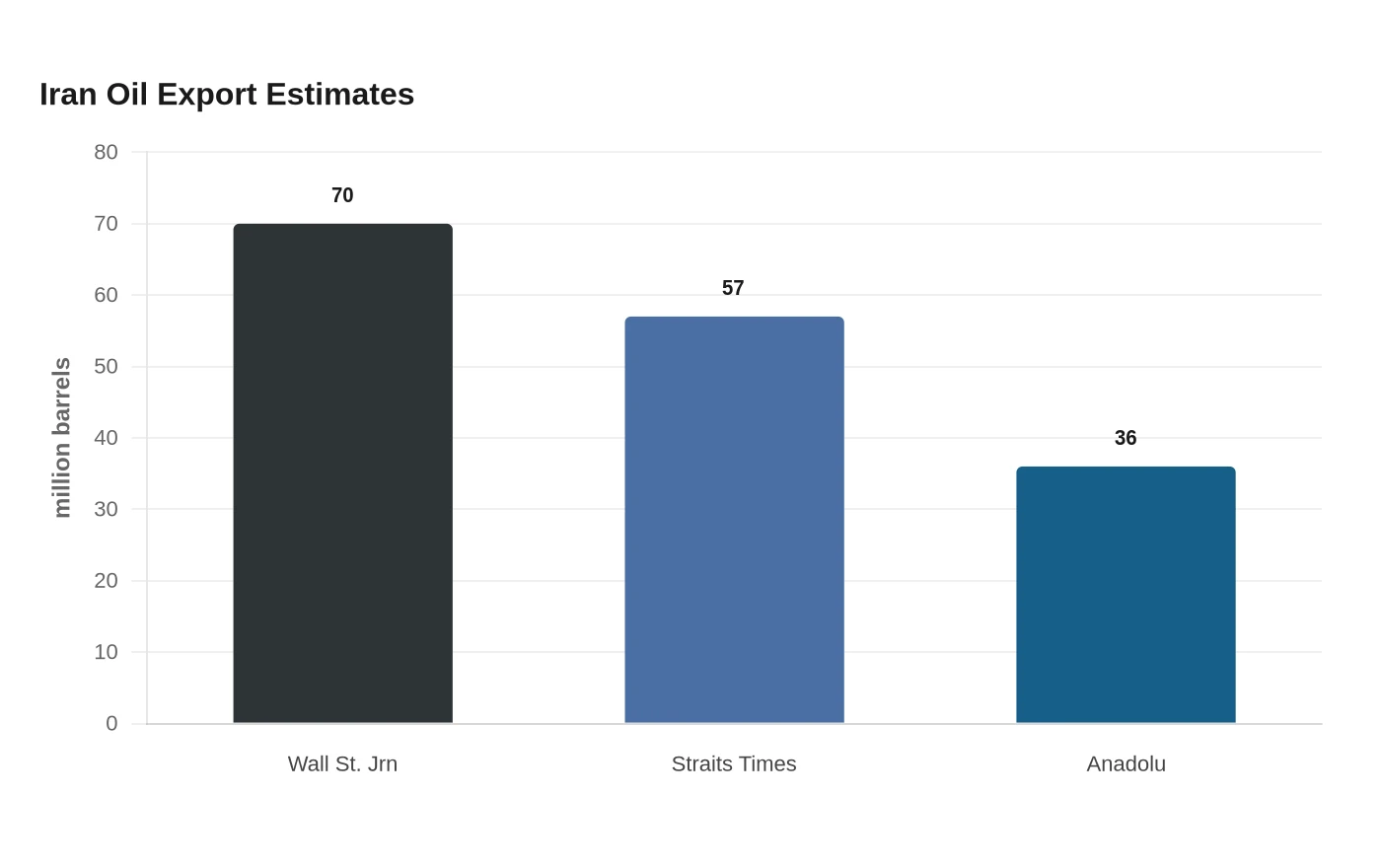
Iran exported roughly 70 million barrels of oil worth about $5 billion to $6 billion during its brief cease-fire with the United States, moving the crude on about 20 tankers to Asia. The shipments came during a roughly one-month window after Washington lifted its blockade in mid-June and before the U.S. reimposed its Hormuz blockade.
The figures show how much oil still got out while the truce held. The Wall Street Journal said the tanker and export data came from United Against Nuclear Iran, while the Straits Times put the volume at at least 57 million barrels during the pause and Anadolu said Iran had exported 36 million barrels since the U.S.-Iran agreement was announced, with roughly an equal amount still afloat in Iran.
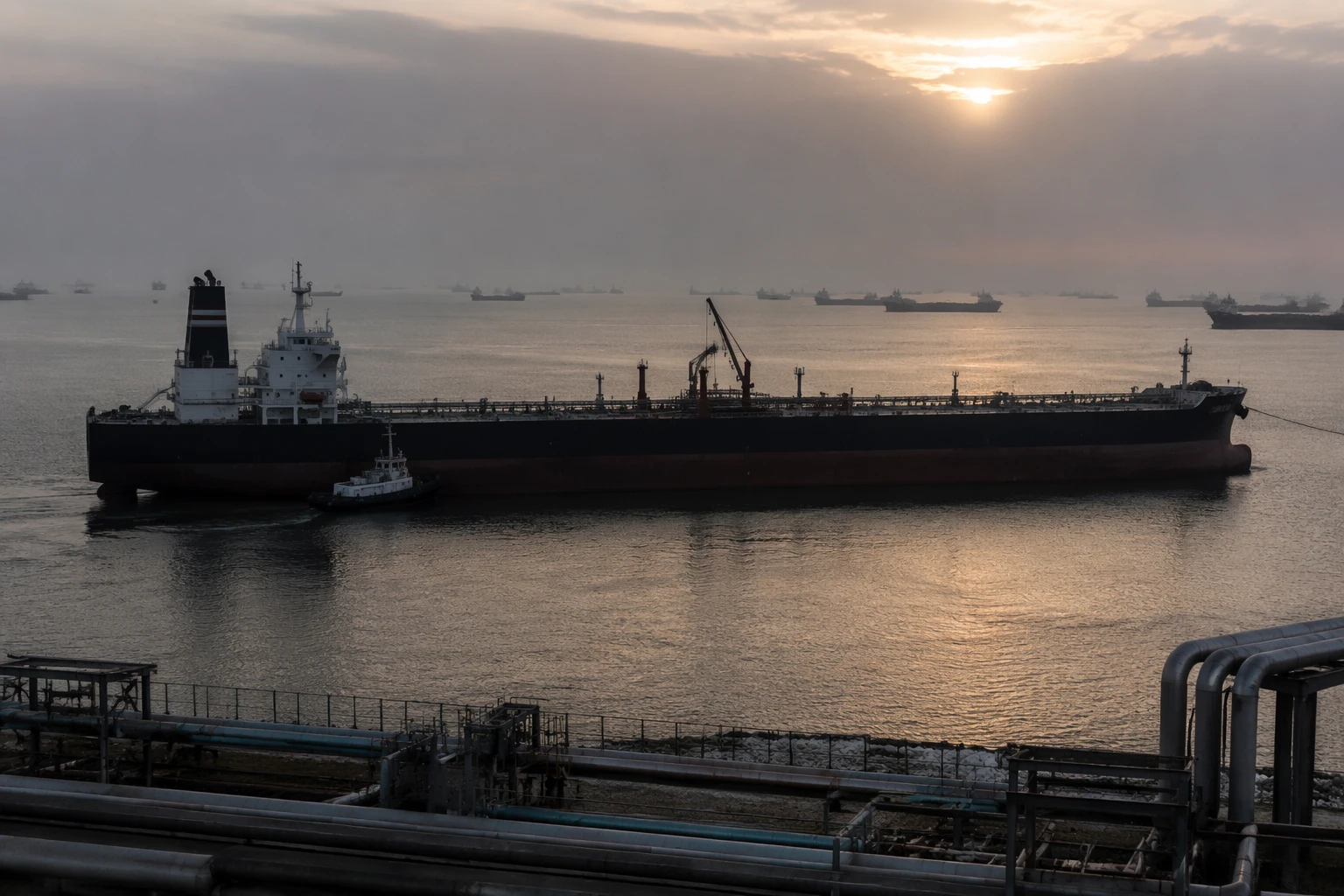
The new totals also fit a broader pattern of resilient Iranian exports. In February 2026, The Wall Street Journal reported that Iran’s crude loadings were averaging about 1.20 million barrels a day so far in 2026, down 14% from 2025 levels, while Kpler estimated Tehran’s oil-on-water storage had reached a record near 200 million barrels. In 2023, Iranian crude production had topped 3 million barrels a day and exports were approaching 2 million barrels a day.
For Tehran, the crude flow mattered because oil and natural gas exports historically account for 25% of Iranian government revenues, according to United Against Nuclear Iran. That makes sanctions enforcement less about symbolism than cash, and the latest shipments suggested that even a short diplomatic pause left plenty of room for Iran to keep monetizing its energy sector.
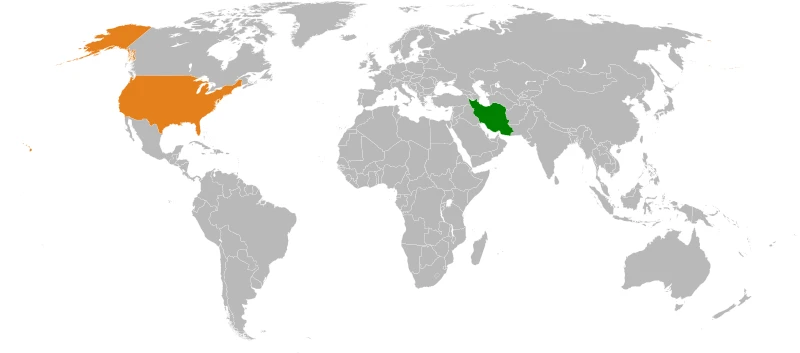
The market reaction was immediate. Oil prices jumped after Donald Trump said the cease-fire with Iran was over, as traders watched tanker traffic through the Strait of Hormuz, a chokepoint that carries a large share of the world’s seaborne oil. The narrow waterway has long been central to Iran policy because any interruption there can rattle global crude markets, push up fuel costs and deepen inflation worries far beyond the Gulf.
Sources
- [1]nytimes.com
- [2]tass.com
- [3]straitstimes.com
- [4]aa.com.tr
- [5]wsj.com
- [6]unitedagainstnucleariran.com
- [7]reuters.com