World
Iran stages Khamenei funeral to project defiance and unity
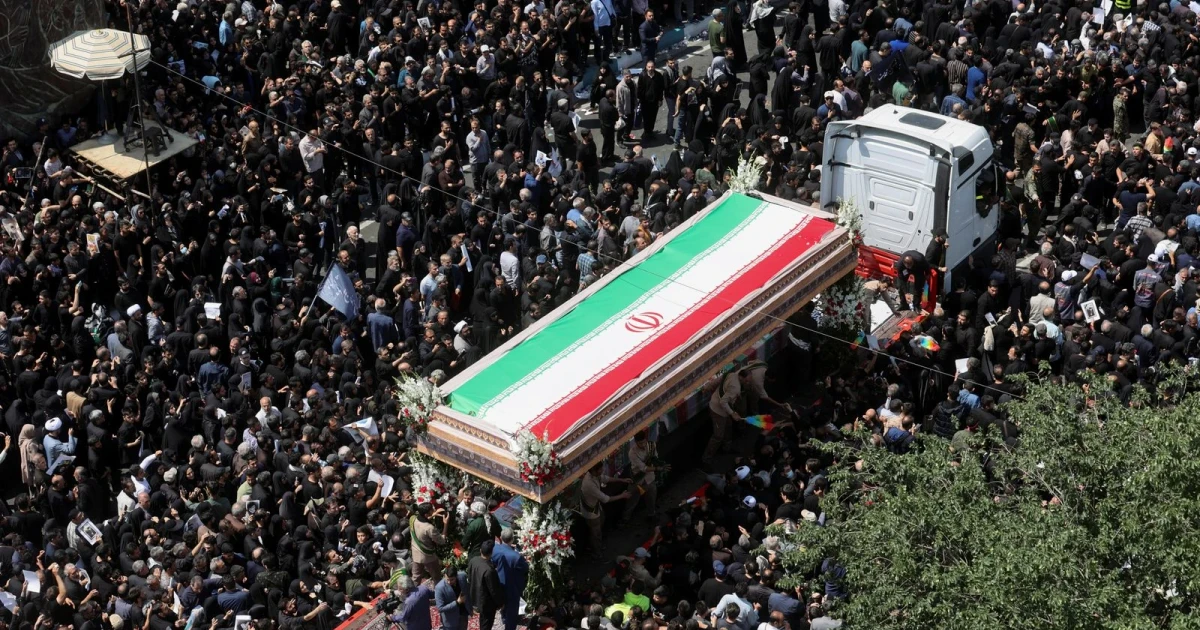
Tehran turned Ali Khamenei’s funeral into a display of state power, with mourners filling the capital’s streets on July 6 as coffins carrying the slain supreme leader and family members moved toward Azadi Square. The procession followed days of public mourning from July 4 to July 6, and Iranian leaders used the ceremony to project steadiness after the airstrikes that killed Khamenei on February 28, 2026.
The message was aimed at several audiences at once. To Iranians at home, the spectacle of black-clad crowds, flower petals and mass prayer was meant to show that the Islamic Republic remained intact despite the war. To foreign adversaries, particularly the United States and Israel, the funeral doubled as a warning that the assault had not broken Iran. Reuters’ analysis said the sea of mourners was meant to tell Washington and Jerusalem that their attempt to crush the system had failed, while an Iranian military commander warned against any new attack during the procession.
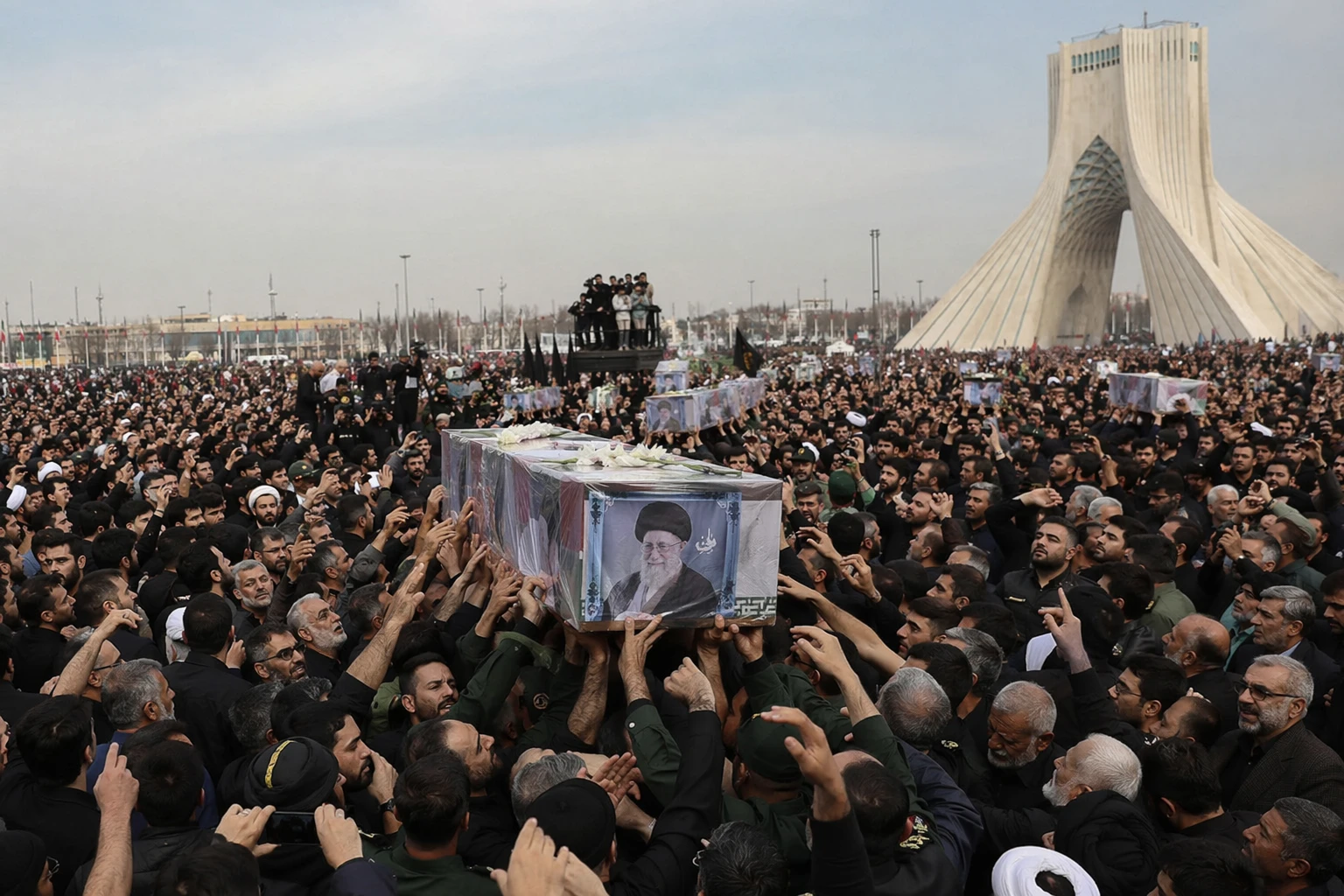
The choreography also carried a succession signal. The New York Times reported that Khamenei’s coffin reached Azadi Square after days of mourning ceremonies, and that chants of “revenge” rose during the prayers. The paper also noted that there was still no sign of Mojtaba Khamenei, the cleric often discussed as a possible successor, a detail that underscored how much of the political drama remained unresolved even as the state staged unity.
CNN said Iranian leaders prayed over the coffins on the second day of public funeral rites, and described mourners packed tightly through Tehran for the main procession. Tehran Times said authorities framed the turnout as the most massive public gathering in modern Iranian history. The size of the crowd mattered as much as the speeches: it offered the government a way to show discipline, continuity and popular mobilization at a moment when the leadership is under pressure to define what comes next.
The broader strategy goes beyond ceremony. Reuters’ analysis said Iran is trying to turn wartime endurance into leverage in future nuclear talks and in disputes over the Strait of Hormuz, which remains one of Tehran’s most powerful bargaining chips. In that sense, the funeral was not only a farewell to Khamenei but a public rehearsal of the Islamic Republic’s next act: defiant, guarded and still aiming to speak from a position of strength.
Sources
- [1]news.google.com
- [2]nytimes.com
- [3]cnn.com
- [4]reuters.com
- [5]tehrantimes.com
- [6]usnews.com