World
Iran stages mass Khamenei funeral with martyrdom symbols and succession questions
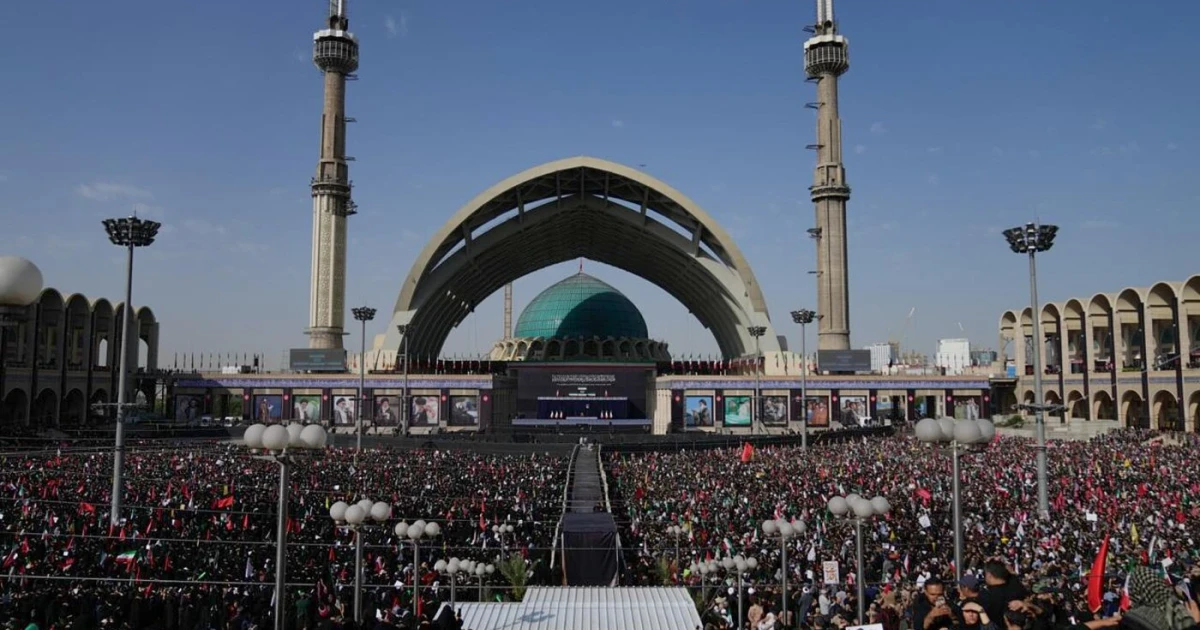
Iran opened Ayatollah Ali Khamenei’s six-day funeral in Tehran’s Imam Khomeini Grand Mosalla as a public demonstration of endurance, nearly four months after he was killed in a Feb. 28 airstrike at the start of the Iran war. The ceremony began with the national anthem, religious eulogies and readings from the Koran, setting a solemn tone for a procession that is as much about power as grief.
The burial schedule stretches across Tehran, Qom and Iraq’s Shiite holy cities of Najaf and Karbala before ending at the Imam Reza shrine in Mashhad on July 9. Iranian authorities have presented the procession as a display of strength, endurance and unity, while estimates of the crowd ranged from tens of thousands to millions across the route, underscoring the scale of the state’s ambitions for the event.
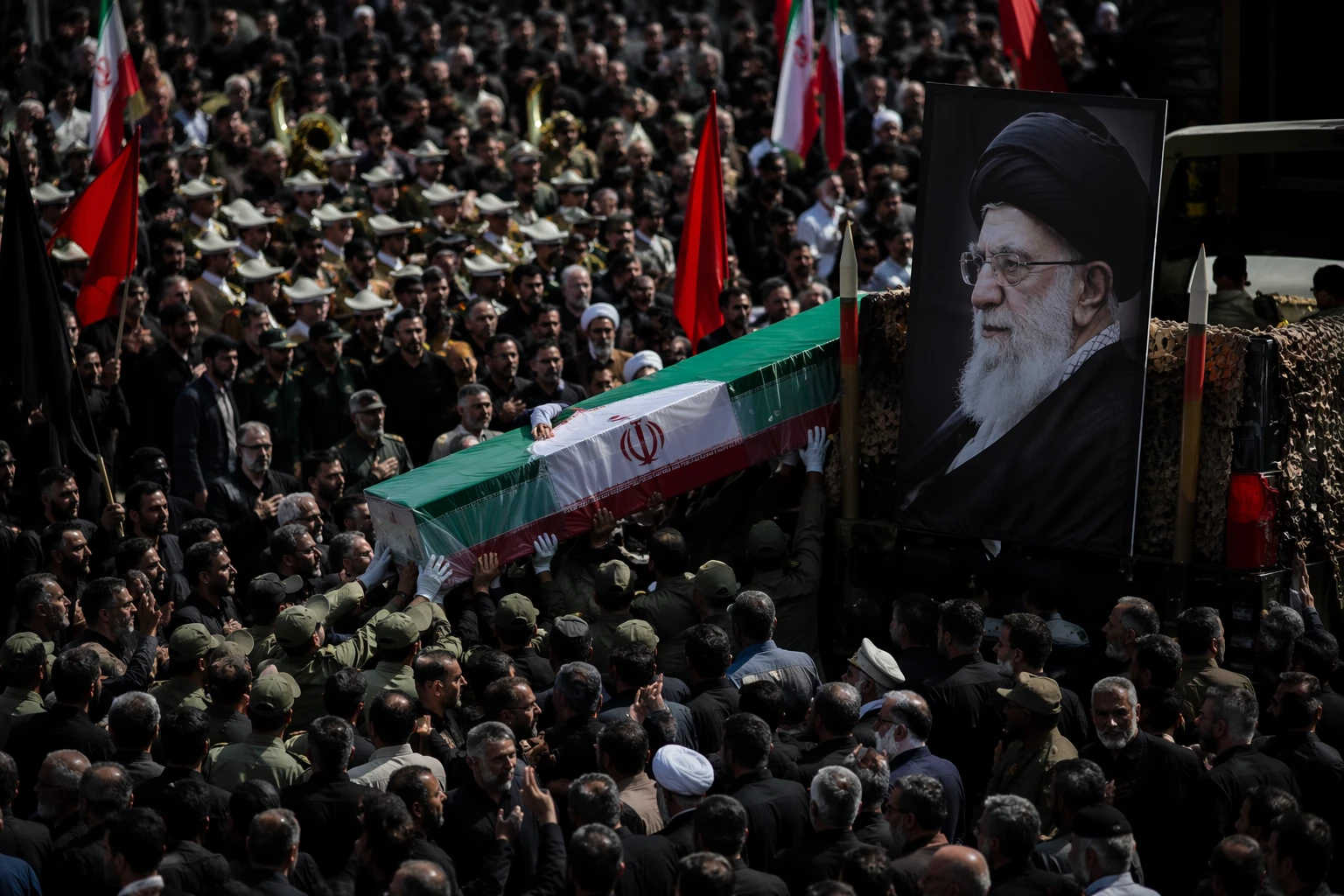
The strongest political message has been carried in the symbols themselves. Red flags have been prominent throughout the mourning, alongside Karbala imagery that links Khamenei’s death to Shiite martyrdom, sacrifice and revenge. One report said the flags bore the Arabic phrase “Ya Litharat al-Hussein,” meaning “O avengers of Hussein,” a direct invocation of Imam Hussein and the Battle of Karbala, one of the most charged symbols in Shiite political memory.
That symbolism has also sharpened the succession question. Mojtaba Khamenei, the son most often described as the likely heir, did not appear publicly during the ceremonies. His brothers, Mostafa, Meysam and Masoud Khamenei, were seen praying beside the coffin, keeping the family visible while leaving the presumed successor absent from the center of the display.
The funeral has gone beyond one coffin. The casket of Khamenei’s 14-month-old granddaughter, Zahra Mohammadi Golpayegani, was shown alongside his coffin and those of other family members, turning the ceremony into a larger tableau of collective loss. Foreign delegations and religious leaders attended the opening, while Iranian leaders and security officials used the procession to project national unity and defiance after the war with the United States and Israel.
Sources
- [1]nytimes.com
- [2]cnbc.com
- [3]usnews.com
- [4]aljazeera.com
- [5]tasnimnews.ir
- [6]usatoday.com
- [7]apnews.com