World
Iran stages massive funeral for slain Supreme Leader Ali Khamenei
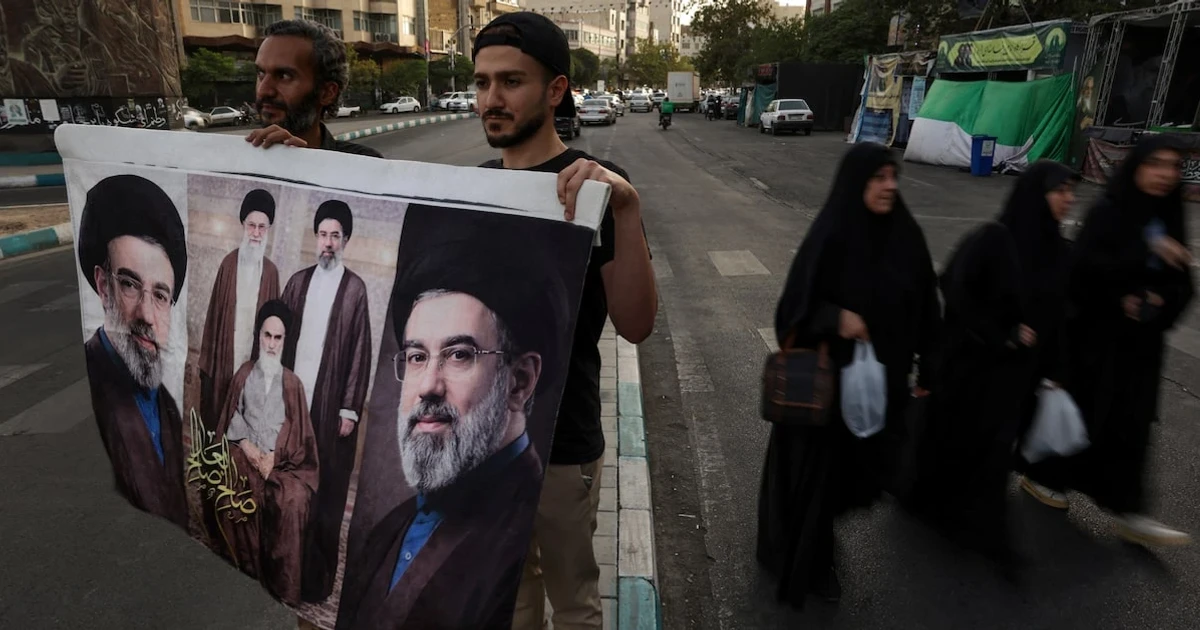
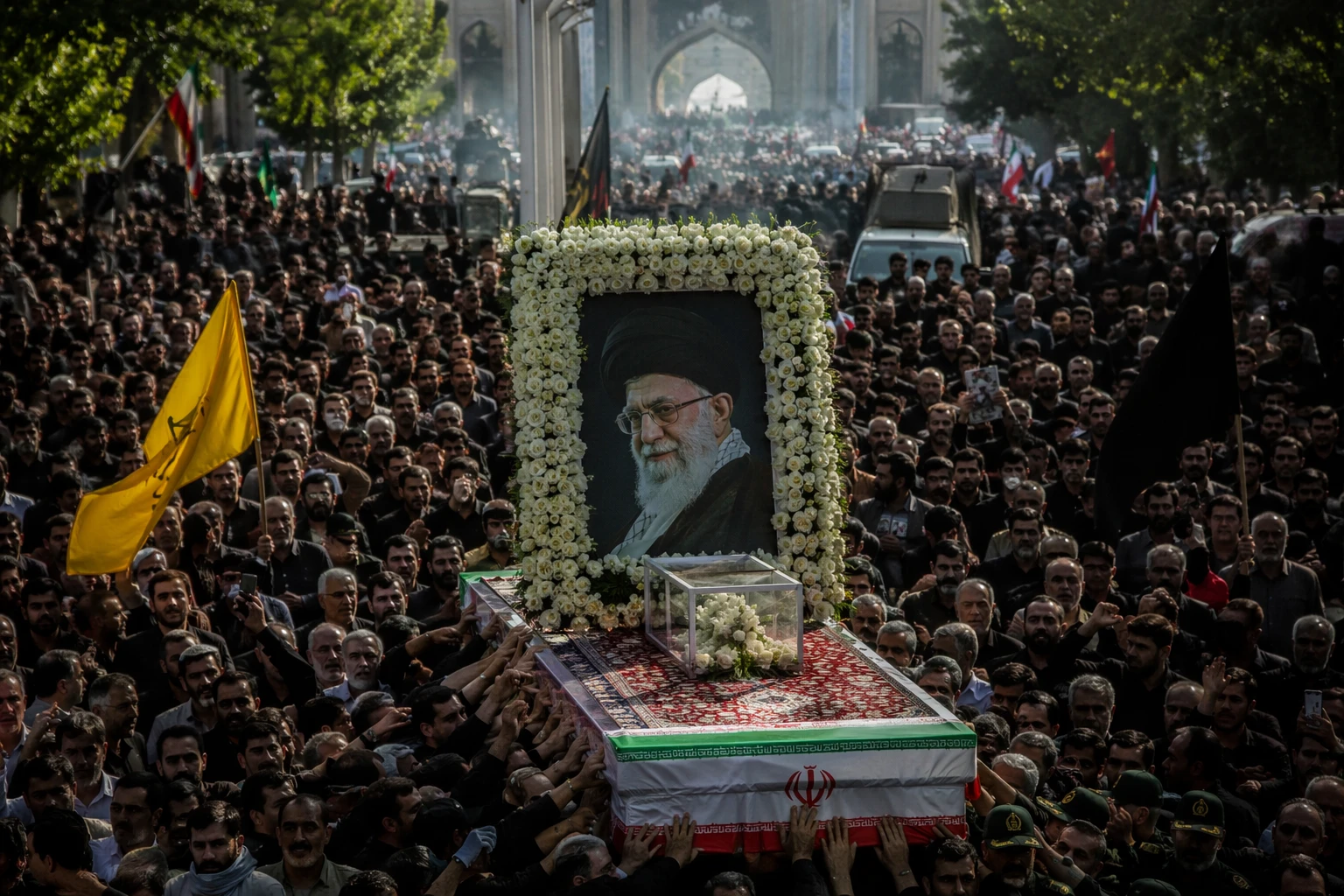
Iran put Ali Khamenei’s casket on display in Tehran and opened days of funeral processions for the supreme leader killed in the opening salvo of the war with the United States and Israel. The turnout carried two messages at once: a public display of loyalty for a system still able to mobilize mourners, and a tightly managed show of elite control around a transfer of power that comes in the middle of war.
Khamenei had led Iran from 1989 until his death in 2026, and the office he held is the country’s top state authority, controlling the armed forces and shaping government direction directly and indirectly. His funeral therefore was not only a state ritual. It was a test of whether the Islamic Republic could project strength while its leadership structure was under pressure from war, sanctions, regional confrontation and questions about who can command the security apparatus next.
The war that killed Khamenei began on February 28, 2026, when U.S. and Israeli strikes hit Iran. The opening assault set off hundreds of retaliatory missiles and thousands of drones from Iran across the region, and the conflict has since caused thousands of deaths, large-scale displacement and severe disruption in the Strait of Hormuz. Against that backdrop, the funeral was also a signal to Washington and Jerusalem that Tehran still intends to answer pressure with defiance, not capitulation. Khamenei had already sent a defiant message to Donald Trump after the ceasefire with Israel, underscoring how personal and geopolitical the confrontation has become.
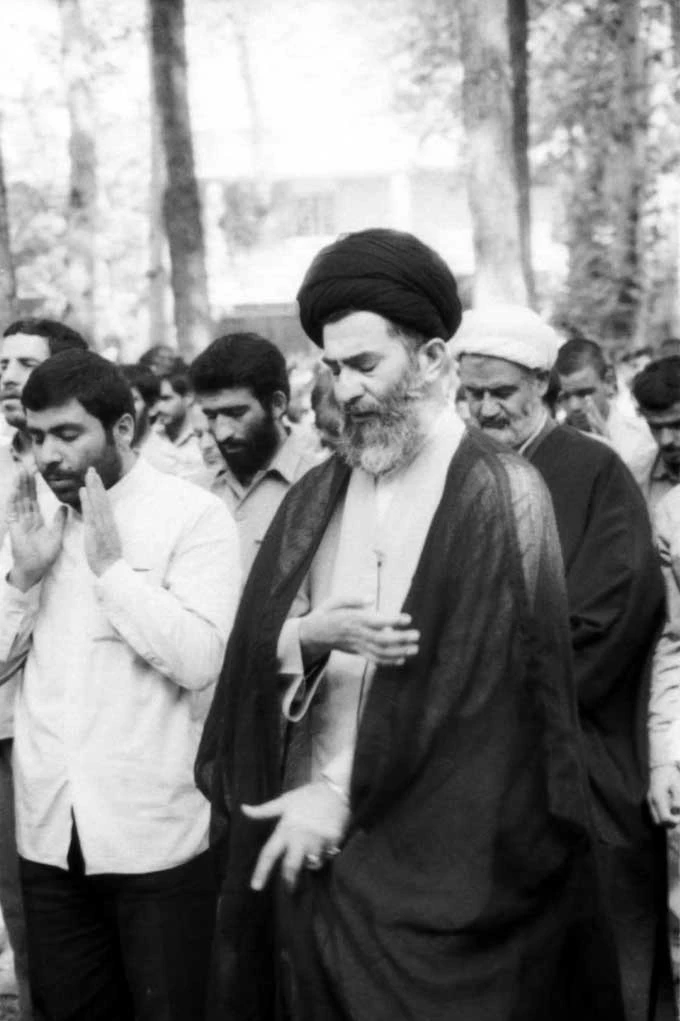
Succession gives the ceremony even higher stakes. The Assembly of Experts selected Mojtaba Khamenei in March 2026 to succeed his father, turning the funeral into a public marker of a wartime transfer of authority. Iran has done something similar before, when Ruhollah Khomeini died in June 1989 and the Assembly of Experts quickly appointed Ali Khamenei as supreme leader while Ali Akbar Hashemi Rafsanjani helped steer reconstruction. This time, the transition is unfolding amid open conflict, making the mass mourning in Tehran as much about regime survival as grief, and leaving the risk of retaliation or escalation firmly on the table.
Sources
- [1]news.google.com
- [2]britannica.com
- [3]edition.cnn.com