US News
Iran Stands Firm on Rights Amid US Tensions
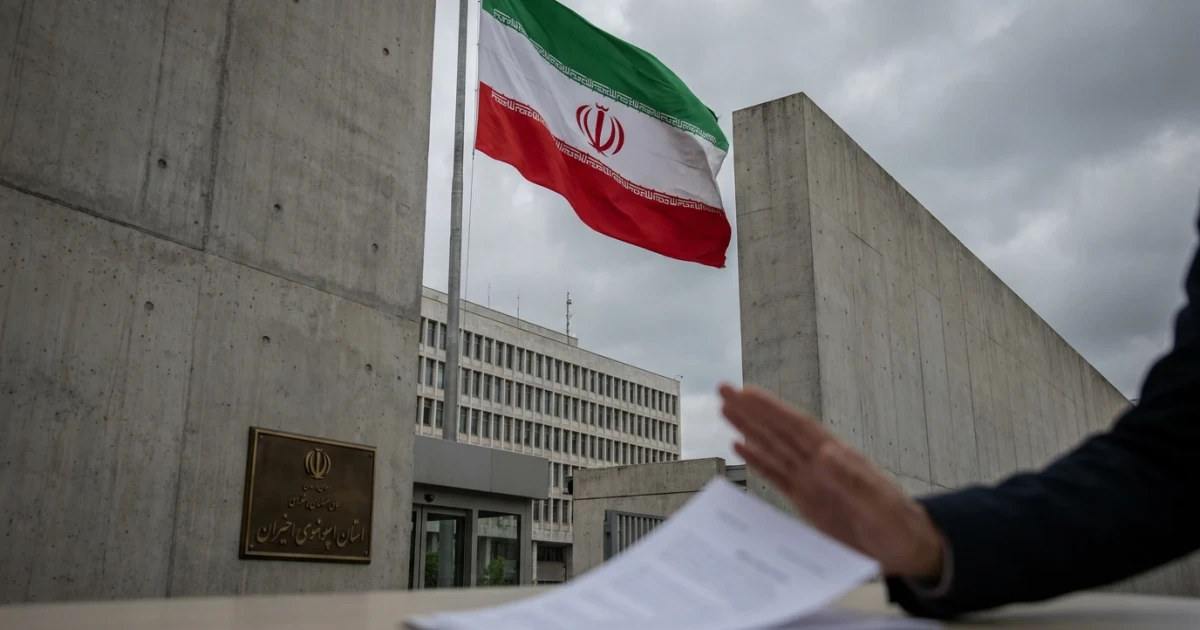
Iranian officials have reiterated their refusal to enter into any new agreements with the United States unless the country’s rights are fully secured, reflecting a deep-seated mistrust and ongoing tension between the two nations.
Iran’s Position: No Deal Without Guarantees
Speaking in Tehran, Parliament Speaker Mohammad Bagher Ghalibaf emphasized that Iran will not engage in fresh negotiations with the US until there are concrete assurances on the protection of Iran’s national rights and interests. This stance, highlighted in Hindustan Times coverage, comes amid heightened regional and international scrutiny of Iran’s policies and diplomatic maneuvers.
- Ghalibaf asserted Iran’s commitment to securing its rights before any deal is signed.
- The Iranian government has repeatedly pointed to past experiences, arguing that previous agreements did not yield the expected benefits due to what it calls US non-compliance.
Worsening US-Iran Relations
The climate of distrust has grown more entrenched as recent US administrations, including the current leadership under Donald Trump, have taken a harder line on Iran. Reports from Yahoo indicate that Trump’s team has toughened the terms for any potential agreement, further complicating prospects for diplomatic progress.
- Iranian negotiators have stated publicly that they do not trust the US, citing a legacy of broken promises and shifting requirements.
- Washington, for its part, has insisted on stricter oversight and broader limitations on Iran’s nuclear and military activities.
Underlying Issues: Nuclear Program and Sanctions
At the core of the standoff are disputes over Iran’s nuclear program and the international sanctions that have severely impacted the Iranian economy. The US and its allies remain concerned about Iran’s enrichment activities, while Iran maintains its right to peaceful nuclear technology under international law.
- According to the UN Security Council’s sanctions records, a range of economic and military restrictions remain in place pending a comprehensive settlement.
- Iran’s leaders demand the lifting of these sanctions as a precondition for any new deal.
Regional and Global Implications
The failure to reach a deal has implications beyond Iran and the US. Regional security, international energy markets, and the global non-proliferation regime are all affected by the state of US-Iran relations. Experts note that continued impasse risks further instability in the Middle East and could undermine efforts to prevent nuclear proliferation.
- Analysis from the US State Department describes Iran as a key player in regional security dynamics, with both direct and indirect influence on neighboring states.
- Economic analysts point to the IMF’s data on Iran’s economy, showing the heavy toll of sanctions and the urgency for relief among ordinary Iranians.
Looking Ahead
As both sides remain entrenched, prospects for an immediate breakthrough appear slim. Iran’s insistence on national rights and the US’s demand for broader concessions continue to shape the diplomatic landscape. Observers suggest that only significant movement on core issues—such as sanctions relief, nuclear oversight, and mutual guarantees—will create the conditions for a sustainable agreement.
The coming months are likely to test the resolve and strategy of both governments, with ripple effects across the region and beyond. For now, however, Iran’s position remains unequivocal: no deal will be made without the assurance of its rights, and mistrust toward Washington is unlikely to fade quickly.