World
Iran Steps Up Diplomatic Push in Russia Amid U.S. Tensions
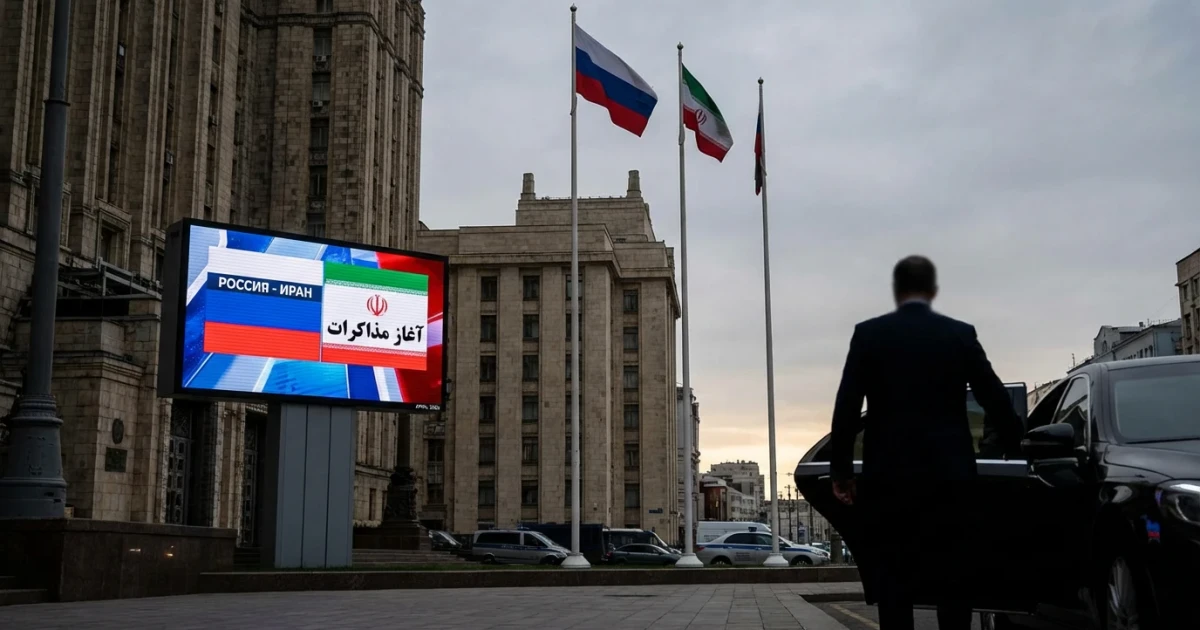
Iran has accelerated its diplomatic engagement with Russia, underscoring a period of heightened international maneuvering as tensions persist with the United States. The latest meetings, reported by NPR, reflect Tehran's strategic push to strengthen its alliances and advance its foreign policy objectives amid ongoing regional and global challenges.
Key Meetings in Moscow
Iranian officials have held a series of high-level discussions in Moscow, seeking to deepen cooperation on economic, security, and diplomatic fronts. NPR highlighted that these talks are part of a broader "flurry of diplomacy" by Iran, reflecting its determination to forge closer ties with Russia as the geopolitical landscape evolves.
- Diplomatic engagements have focused on economic collaboration, including trade and energy cooperation. Official UN trade statistics show that Russia has become one of Iran’s most significant trading partners in recent years.
- Security discussions have also been on the agenda, with both countries reportedly addressing military cooperation and arms transfers. Data from the SIPRI Arms Transfers Database reveals a notable uptick in military equipment exchanges between the two nations.
- The meetings come as Iran seeks alternatives to the Western economic system, aiming to blunt the impact of longstanding international sanctions and U.S.-led pressure campaigns.
U.S. Response Remains Firm
Meanwhile, former President Donald Trump, reflecting ongoing U.S. policy, insisted that the United States still holds significant leverage in the region. As quoted by NPR, Trump asserted that the U.S. has "the cards," signaling Washington’s continued confidence in its strategic position despite Iran’s diplomatic overtures.
U.S. officials have repeatedly emphasized their commitment to containing Iran’s regional influence and nuclear ambitions. The State Department’s country report on terrorism outlines persistent U.S. concerns regarding Iran’s foreign policy and military activities, particularly in relation to its support for proxy groups and its nuclear program.
Regional Implications and Global Reactions
Iran’s outreach to Russia is seen by analysts as part of a broader strategy to recalibrate its international alliances. According to background reporting by the Council on Foreign Relations, Iran’s foreign policy has increasingly prioritized non-Western partnerships, especially as diplomatic efforts with the U.S. and Europe have stalled.
International monitors, such as the International Atomic Energy Agency (IAEA), continue to track Iran’s compliance with nuclear agreements, while European and regional states watch Moscow-Tehran collaboration with growing interest and concern.
Analysis from Experts
Recent analysis from the Center for Strategic and International Studies (CSIS) suggests that the Iran-Russia relationship has grown deeper in the wake of increased Western pressure. CSIS notes that economic and military ties are mutually beneficial, offering Iran critical support while giving Russia another partner in challenging Western influence.
- Iran’s pivot to Russia coincides with greater Eurasian integration, including participation in regional organizations and joint military exercises.
- The U.S. continues to rely on sanctions and diplomatic isolation, but outcomes remain uncertain as Iran adapts to shifting global alliances.
Looking Ahead
Iran’s ongoing diplomatic activity in Russia marks a significant chapter in its foreign policy, highlighting the complex interplay of power, alliances, and regional ambitions. As Tehran and Moscow draw closer, the effectiveness of U.S. pressure—and the future of Middle Eastern stability—remains to be seen.