World
Iran strikes Bahrain and Kuwait after US airstrikes escalate conflict
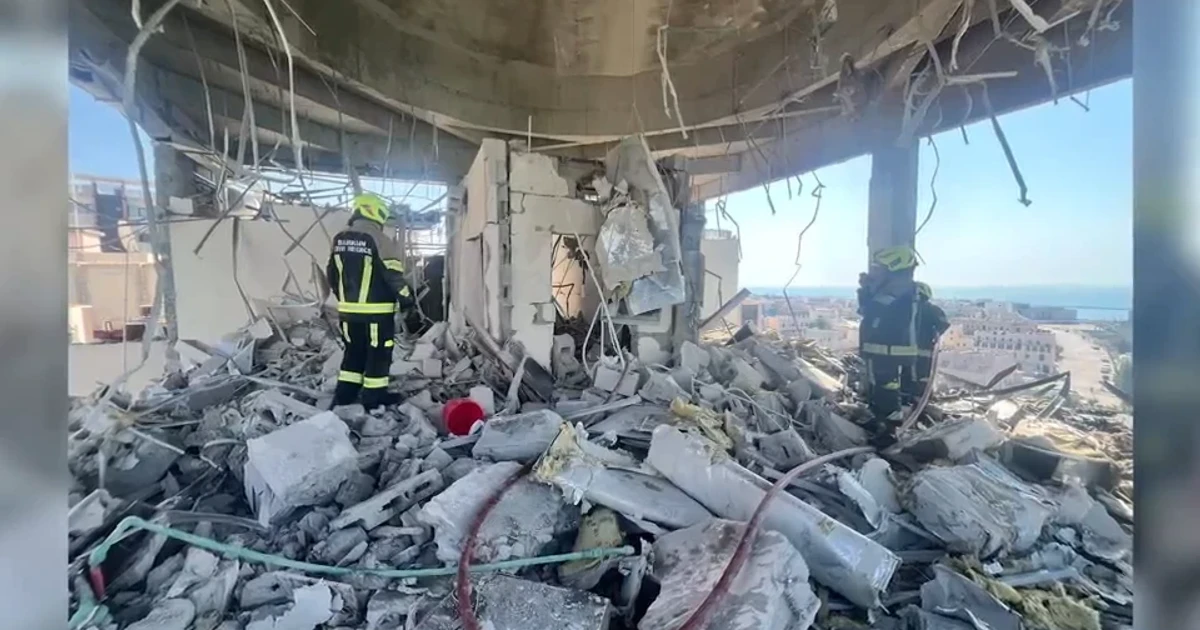
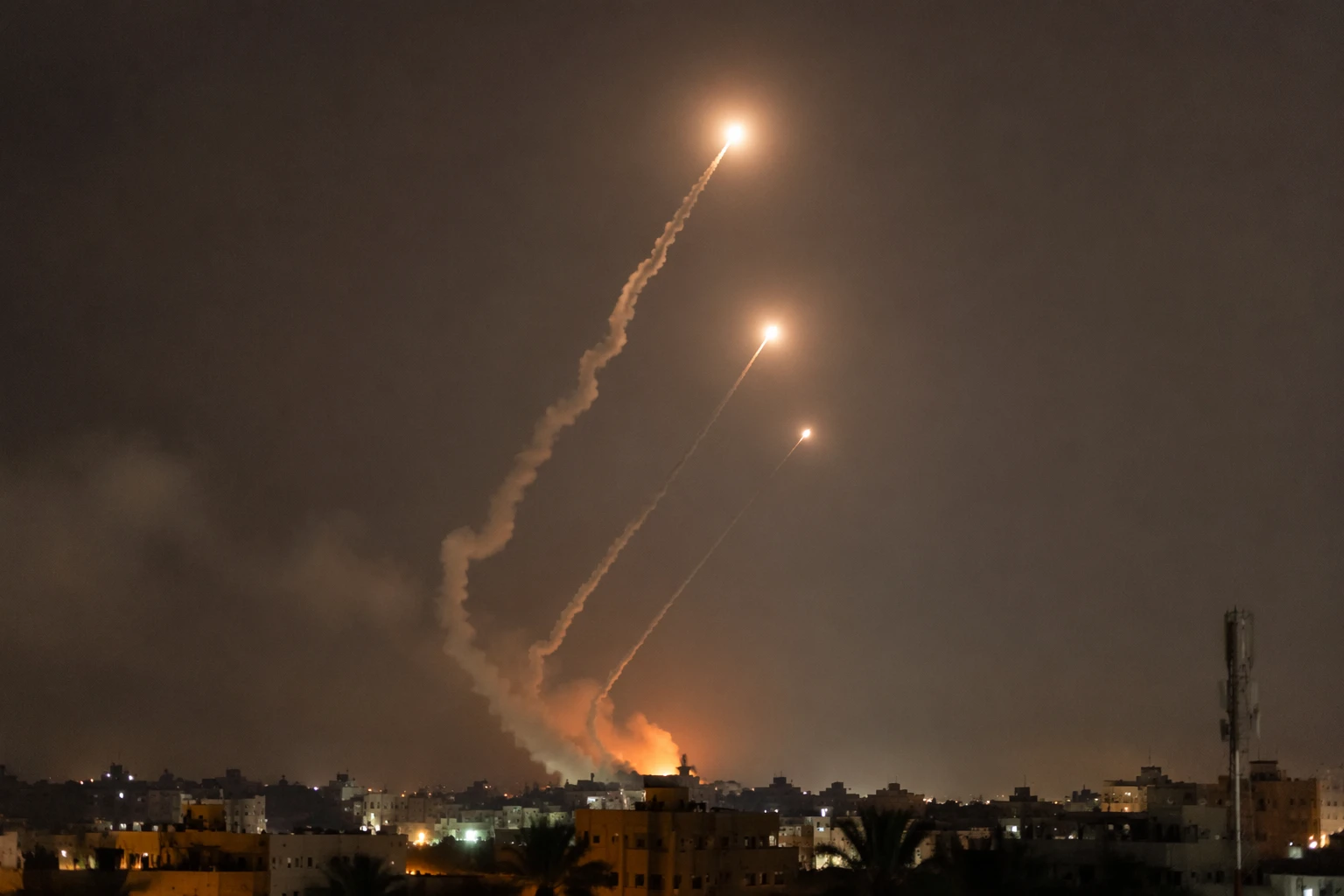
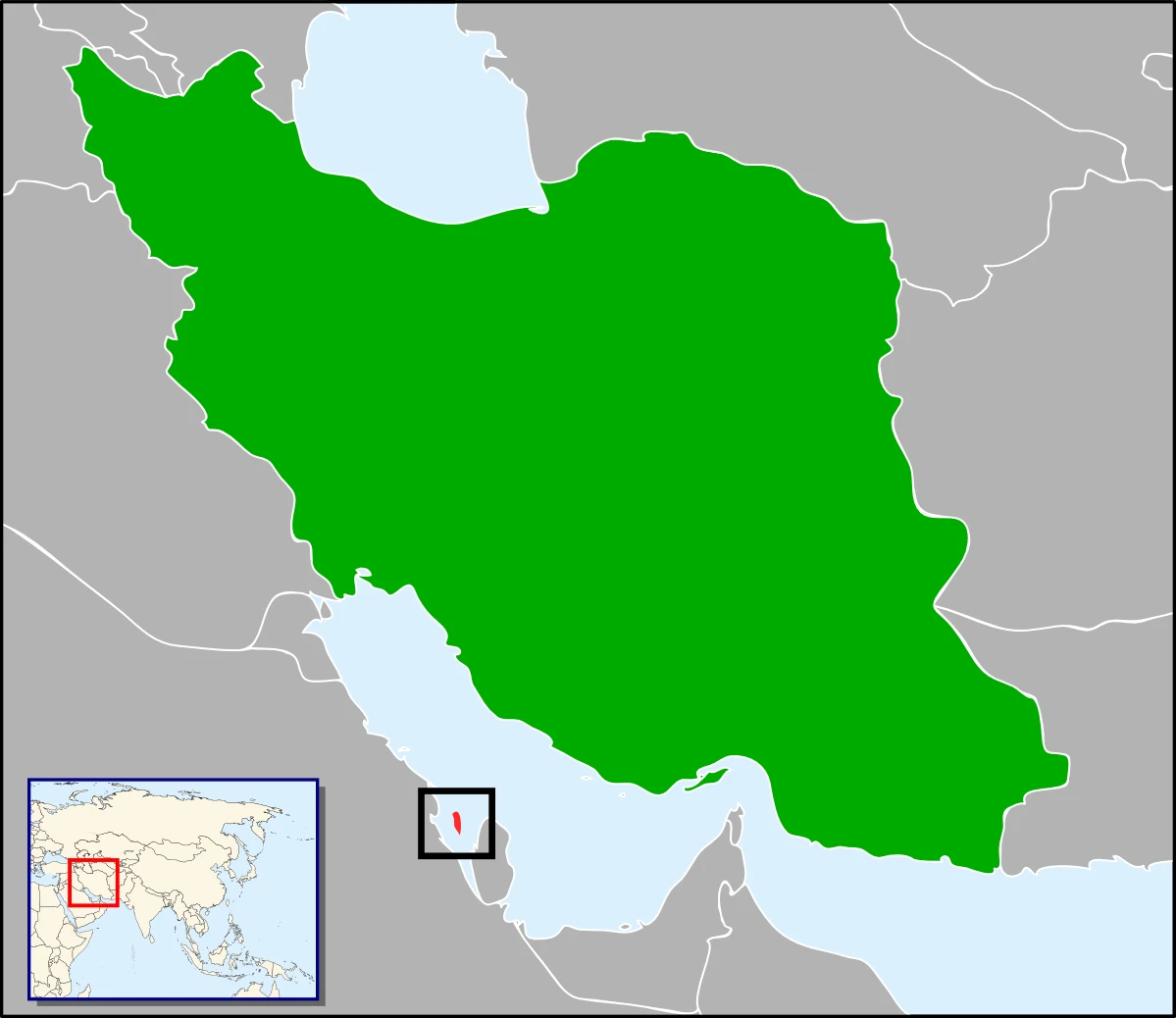
Iran widened its fight with Washington into Bahrain and Kuwait, sending drones and missiles at two Gulf states that host major U.S. forces and sit inside one of the world’s most sensitive energy corridors. Bahrain said air-raid sirens sounded twice and a residential building in Muharraq Governorate was damaged; Kuwait said its defenses engaged hostile drones and missiles and later intercepted two ballistic missiles.
Iran’s Revolutionary Guard said the attacks were launched in response to U.S. airstrikes on Iranian targets. The move pushed the confrontation beyond direct U.S.-Iran exchanges and into the security space of Bahrain, home to the U.S. Navy’s 5th Fleet, and Kuwait, which hosts the Ali al-Salem air base and other key American military infrastructure. Neither country reported immediate casualties.
Bahrain’s Interior Ministry said the Muharraq strike damaged a residential building but caused no loss of life. Bahrain’s Foreign Ministry condemned the attack as part of a “deliberate and systematic pattern of aggression” against its sovereignty. Kuwait’s Foreign Ministry said the strikes undermined regional and international de-escalation efforts, underscoring how quickly the fighting is spreading pressure across the Gulf.
The attacks came after the U.S. military bombed Iran for a second consecutive day on Saturday, in what U.S. officials cast as retaliation for an Iranian attack on a tanker in the Strait of Hormuz. A U.S. Navy-backed maritime body also expanded a route near Oman through the strait to keep inbound and outbound traffic moving, a step that reflected growing concern over commercial shipping in one of the most important oil chokepoints on the planet.
The escalation now threatens more than battlefield targets. It raises the odds of retaliation against U.S. installations, sharper alliance pressure on Gulf monarchies, and a wider disruption to oil flows that already rattled markets. Bahrain and Kuwait are both closely tied to American defense posture, and strikes there narrow the room for either government to stay outside the fight.
The diplomatic track is also under strain. The current interim U.S.-Iran arrangement created a 60-day window for negotiations over a permanent end to the war, including issues tied to the Strait of Hormuz and Iran’s highly enriched uranium stockpile. That timeline now looks increasingly fragile as the Revolutionary Guard has warned of a “crushing response” to any further aggression.
President Donald Trump sharpened the rhetoric further on Sunday, saying the U.S. may be forced to “militarily complete the job” and warning that Iran would “no longer exist” if that happened. The combination of Gulf attacks, naval precautions and harsher U.S. language has left diplomacy, shipping and regional defense planning on the same collision course.
Sources
- [1]news.google.com
- [2]apnews.com
- [3]english.alarabiya.net
- [4]politico.com
- [5]cnbc.com
- [6]france24.com