World
Iran Strikes Gulf Energy Sites Amid Sanctions Debate
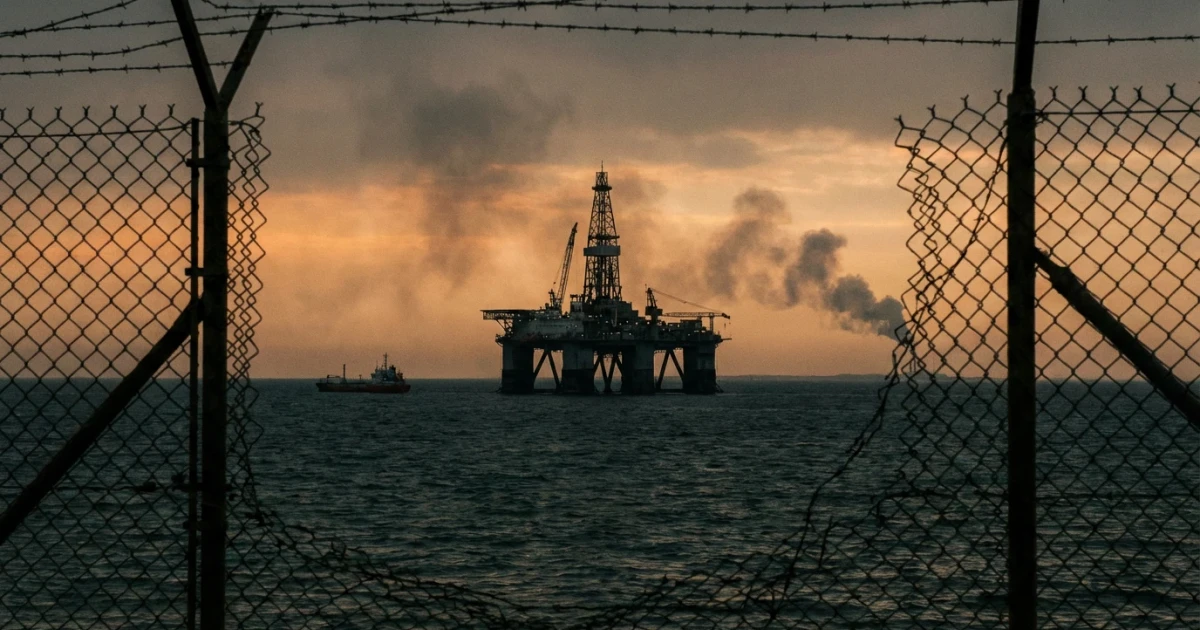
Iran has launched attacks on energy infrastructure in the Gulf, intensifying an ongoing regional conflict just as the United States weighs the possibility of rolling back some sanctions. The escalation has prompted Israel to announce it will halt its own strikes on gas sites, signaling a potential shift in the dynamics of energy security and military engagement in the region.
Rising Tensions in the Gulf
According to The Washington Post, Iran's latest actions targeted strategic energy sites in the Gulf, marking a significant increase in hostilities. While details on the extent of the damage remain limited, the choice of targets underscores the vulnerability of regional energy infrastructure and the risks posed to global oil production.
- Gulf energy facilities are critical hubs for both oil and natural gas exports, supplying a significant share of the world’s energy needs.
- The attacks come amid a period of already elevated tension, with the potential to disrupt supply chains and affect global markets.
US Considers Sanctions Rollback
As the conflict escalates, the United States is reportedly considering easing certain sanctions on Iran. The move is seen as an attempt to de-escalate tensions and encourage diplomatic engagement, although it remains controversial among US allies in the region. The current framework of US sanctions on Iran has long targeted the country’s energy sector, aiming to curtail its revenue streams and limit its influence in the Gulf.
- Some analysts argue that lifting sanctions could provide Iran with resources to further bolster its regional military activities.
- Others suggest that a sanctions rollback, paired with diplomatic overtures, could open the door to negotiations and reduce the risk of broader conflict, as covered in research by the Oxford Institute for Energy Studies.
Israel Pauses Gas Site Strikes
In a notable development, Israel has announced it will halt its own strikes on gas sites in the region. The decision follows Iran’s attacks and may be aimed at preventing further escalation or retaliation. While Israel’s strikes had previously targeted sites linked to hostile actors, the pause has been interpreted by some experts as a sign of shifting priorities or a tactical response to Iran’s escalation.
The situation remains fluid, with regional powers closely watching for further military moves or diplomatic breakthroughs. Energy markets, meanwhile, are bracing for potential disruptions, as both oil and gas exports from the Gulf remain vital to global supply chains.
Implications for Global Energy and Security
The latest attacks highlight the ongoing vulnerability of Gulf energy infrastructure, which has frequently been a flashpoint in regional conflicts. Previous analyses, including those by the Center for Strategic and International Studies, have underscored the delicate military balance in the Gulf and the importance of securing energy assets from state and non-state actors alike.
- The potential for further disruptions remains high, with both physical infrastructure and shipping lanes at risk.
- Global energy prices are sensitive to such developments, with any major supply interruption likely to have immediate market effects.
Looking Ahead
As the United States deliberates future sanctions policy and regional actors adjust their military strategies, the coming days will be crucial for determining whether the situation escalates or stabilizes. The risk of miscalculation remains, but diplomatic channels—and the possibility of easing sanctions—could offer a path to de-escalation if pursued effectively.