Business
Iran Strikes on Gulf Energy Sites Raise Global Oil Concerns
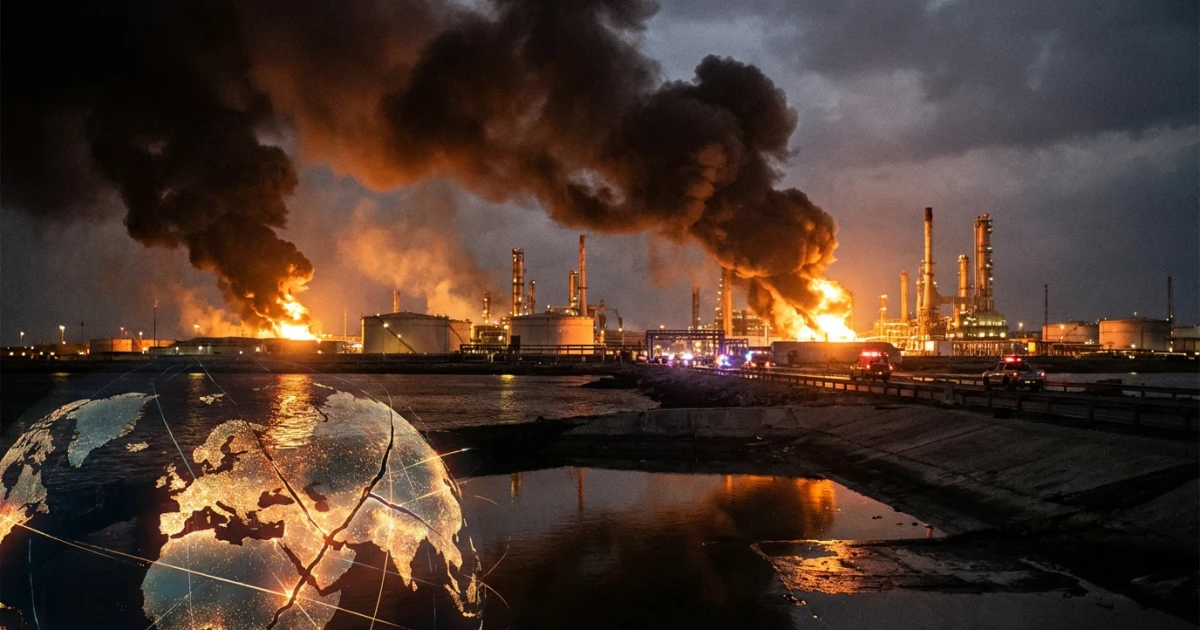
Iranian attacks targeting key oil and gas infrastructure in the Gulf region have intensified concerns over global energy security, prompting renewed scrutiny of the region’s strategic vulnerabilities and the potential impact on international oil prices.
Escalating Tensions Threaten Critical Energy Supply Routes
According to DW.com, Iran recently launched strikes against several oil and gas sites in the Gulf, igniting fears of wider disruptions to global energy exports. The attacks—described by analysts as calculated escalations—come amid rising regional tensions and highlight the strategic importance of the Gulf’s energy corridor for world markets.
The region’s energy infrastructure is concentrated around the Persian Gulf, with the Strait of Hormuz serving as the world’s most critical oil transit chokepoint. Roughly 20% of global oil consumption and significant volumes of liquefied natural gas pass through this narrow waterway each day, making it a focal point for geopolitical risk and market volatility.
Immediate Impact on Oil Markets and Price Volatility
The energy sector’s response was swift: international oil prices surged on news of the strikes, reflecting traders’ concerns over possible supply disruptions. DW.com reported that market analysts expect oil prices to remain elevated so long as uncertainty persists around the security of Gulf transit routes.
- Oil Market Report data from the International Energy Agency (IEA) underscores the Gulf’s centrality to global supply, with Gulf Cooperation Council countries—such as Saudi Arabia, the UAE, and Kuwait—accounting for a substantial share of OPEC’s crude exports.
- Disruptions to this flow could ripple through global markets, affecting prices, inflation, and energy security for importing nations.
Recent history shows that even the threat of disruption in the Gulf can send shockwaves through energy markets. Past incidents, such as the 2019 attacks on Saudi oil facilities, led to temporary production cuts and price spikes, underscoring the fragility of these supply chains.
Regional Security Risks and Strategic Vulnerabilities
Analysts cited by DW.com warn that the attacks reveal not only Iran’s military capabilities but also the ongoing vulnerabilities of Gulf energy infrastructure. The Center for Strategic and International Studies (CSIS) highlights Iran’s history of threatening or targeting oil and gas export facilities, as well as its ability to disrupt shipping through the Strait of Hormuz using a combination of naval assets and proxy groups.
Efforts by Gulf states to bolster security—including increased naval patrols and investment in diversified export routes—have reduced some risks, but the sheer volume of energy passing through fixed infrastructure leaves the region exposed to well-coordinated attacks or blockades.
International Response and Geopolitical Ramifications
The attacks have prompted calls for diplomatic de-escalation and enhanced security cooperation among Gulf states, the United States, and other energy-importing countries. The United Nations Security Council has previously imposed sanctions on Iran targeting its energy sector, though enforcement and effectiveness remain ongoing challenges.
Major energy-importing nations are monitoring the situation closely, with contingency plans for strategic oil reserves and alternative supply arrangements. However, as highlighted by the BP Statistical Review of World Energy, the Gulf’s dominant role in global oil and gas production means that sustained disruptions could have far-reaching economic consequences.
Looking Ahead: Market Uncertainty and Strategic Dialogue
As Iran’s actions continue to raise the specter of further attacks, energy analysts and policymakers stress the need for both near-term vigilance and long-term strategies to safeguard critical infrastructure and diversify supply chains. The unfolding situation reinforces the interconnectedness of energy security and geopolitical stability in the Gulf region.
While markets await clarity on the scope of the damage and possible diplomatic responses, the attacks have already underscored the persistent risks facing the world’s energy heartland—and the imperative for robust international cooperation to address them.