World
Iran Strikes Trigger Flight Cancellations and Travel Warnings
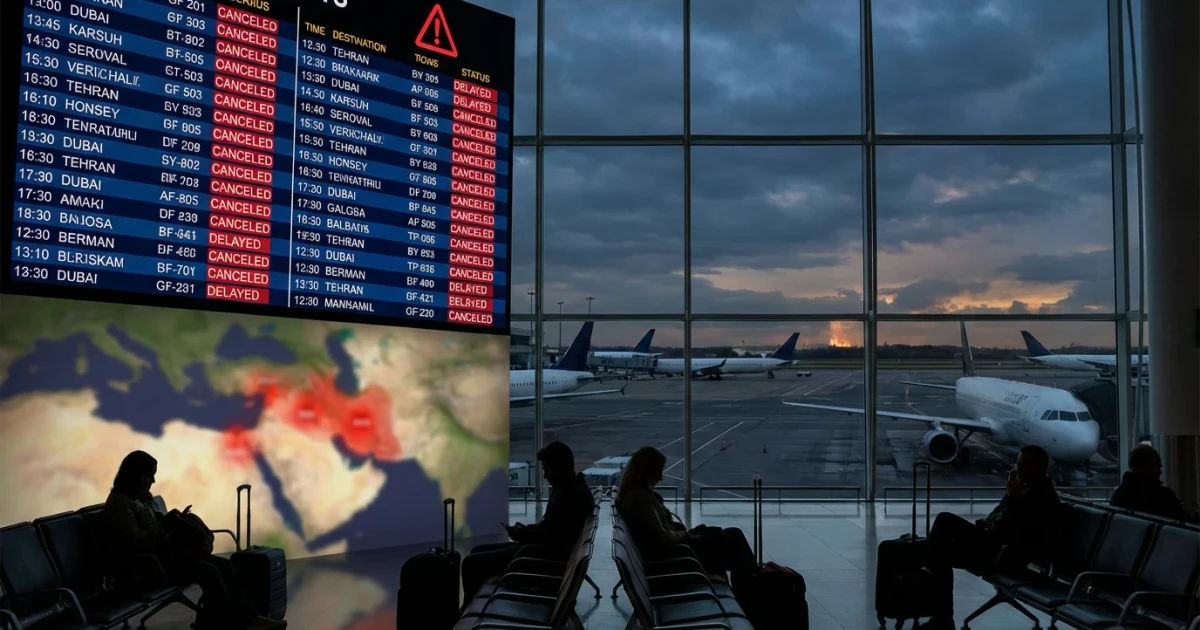
Thousands of flights were cancelled worldwide and governments issued new travel advisories as the recent strikes in Iran sent shockwaves through the global aviation industry, according to reporting from both the BBC and Reuters. The disruption highlights how conflict in the Middle East can reverberate far beyond the region, affecting travelers, airlines, and international logistics.
Widespread Flight Cancellations Across Continents
Airlines rapidly suspended or rerouted flights traversing Iranian airspace following the strikes, with both Reuters and BBC confirming the move. Major carriers in Europe, Asia, and the Middle East announced cancellations affecting thousands of passengers. Some airlines opted to avoid Iranian and neighboring airspace altogether, citing safety concerns for crews and travelers.
- Reuters reported thousands of flights cancelled globally due to the conflict's escalation.
- BBC noted that cancellations included both passenger and cargo flights, intensifying disruption of supply chains and travel plans.
- Real-time data from Flightradar24 showed a sharp drop in commercial flights over the affected region.
The International Air Transport Association’s global air transport statistics indicate that the Middle East is a critical hub connecting Asia, Europe, and Africa. With airspace closed or restricted, airlines faced longer routes, increased fuel costs, and complex operational challenges.
New Travel Warnings Heighten Caution
Governments responded swiftly by updating official travel advice. The BBC reported that the United Kingdom, United States, and several European nations issued new advisories, urging citizens to avoid travel to Iran and, in some cases, neighboring countries. The U.S. State Department’s current travel advisories now list Iran as a high-risk destination, citing the heightened risk of armed conflict and unpredictable security conditions.
- Travelers in the region were advised to check with airlines before heading to airports, as flight status could change rapidly.
- Some countries began organizing evacuation flights for their citizens stranded by the cancellations, according to both news agencies.
Additionally, the European Union Aviation Safety Agency issued updated warnings for airlines planning to enter Iranian airspace, emphasizing the need for caution and adherence to safety protocols.
Ripple Effects on Global Travel and Logistics
The conflict’s disruption extends beyond immediate flight cancellations. Reuters highlighted that the rerouting of flights around Iran impacts not only passenger journeys but also the flow of goods and business travel. The OECD's air transport statistics for the Middle East show that regional hubs like Dubai and Doha serve as key transit points for global commerce. With altered flight paths, delays and increased costs are expected for airlines and logistics providers.
According to the BBC, tourism operators in the region are bracing for cancellations as travelers reconsider plans. The UN World Tourism Organization has previously noted that travel advisories and airline disruptions can have an outsized impact on regional economies dependent on tourism and business travel.
Safety Concerns and Industry Response
Both sources underline the aviation industry’s focus on safety. Airlines are closely monitoring developments and working with national and international regulators to assess when it will be safe to resume flights through the affected airspace. The International Civil Aviation Organization regularly publishes safety reports on airspace risks, which airlines use to inform route planning during conflicts.
While some flights have been rerouted to avoid danger zones, the longer journeys strain airline resources and may lead to further schedule adjustments in the coming days.
Looking Ahead: Ongoing Monitoring and Uncertainty
As the situation in Iran evolves, airlines and travelers are urged to stay informed through official channels and real-time flight tracking platforms. Both Reuters and the BBC indicate that flight disruptions and travel warnings could remain in place until regional tensions ease and airspace safety is assured.
The aviation industry’s response underscores the complex intersection of geopolitics and global mobility—and the need for resilience in the face of sudden disruption. For now, travelers are advised to remain flexible and consult up-to-date resources before making plans involving the affected region.