World
Iran strikes US sites in Bahrain and Kuwait after fresh attacks
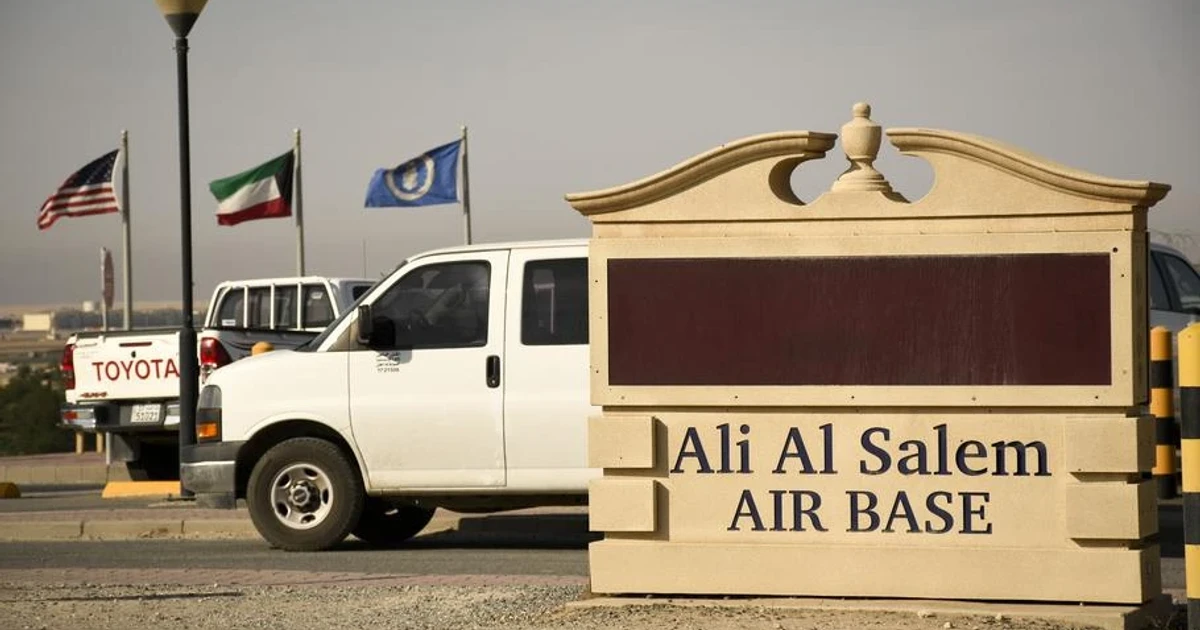
Iran’s Islamic Revolutionary Guard Corps said it hit U.S. military sites in Bahrain and Kuwait with a joint missile-and-drone operation, pushing the confrontation beyond a direct U.S.-Iran exchange and into territory that anchors Gulf security and energy flows. The targets included Bandar Salman in Bahrain’s Fifth Naval District and Ali Al Salem Air Base in Kuwait, and the IRGC said it had shot down a U.S. MQ-9 drone during the operation.
Air raid sirens sounded in both countries as the attacks unfolded. Bahrain said a residential building near the international airport in Muharraq Governorate was damaged and that no one was killed. Kuwait said its air defenses intercepted incoming Iranian drones and missiles and reported no injuries or damage, while the Kuwaiti armed forces said they were confronting hostile missile and drone attacks.
The strikes landed in states that host major American military assets. Bahrain is home to the U.S. Navy’s Fifth Fleet, and Kuwait hosts a major U.S. base, making both countries exposed if the conflict keeps spilling outward. That matters far beyond the immediate damage: the Strait of Hormuz, a critical shipping lane that once carried a fifth of the world’s oil and natural gas, sits at the center of the pressure campaign, and any sustained attacks on allied territory would deepen the risk to Gulf energy infrastructure and to the military umbrella that protects it.
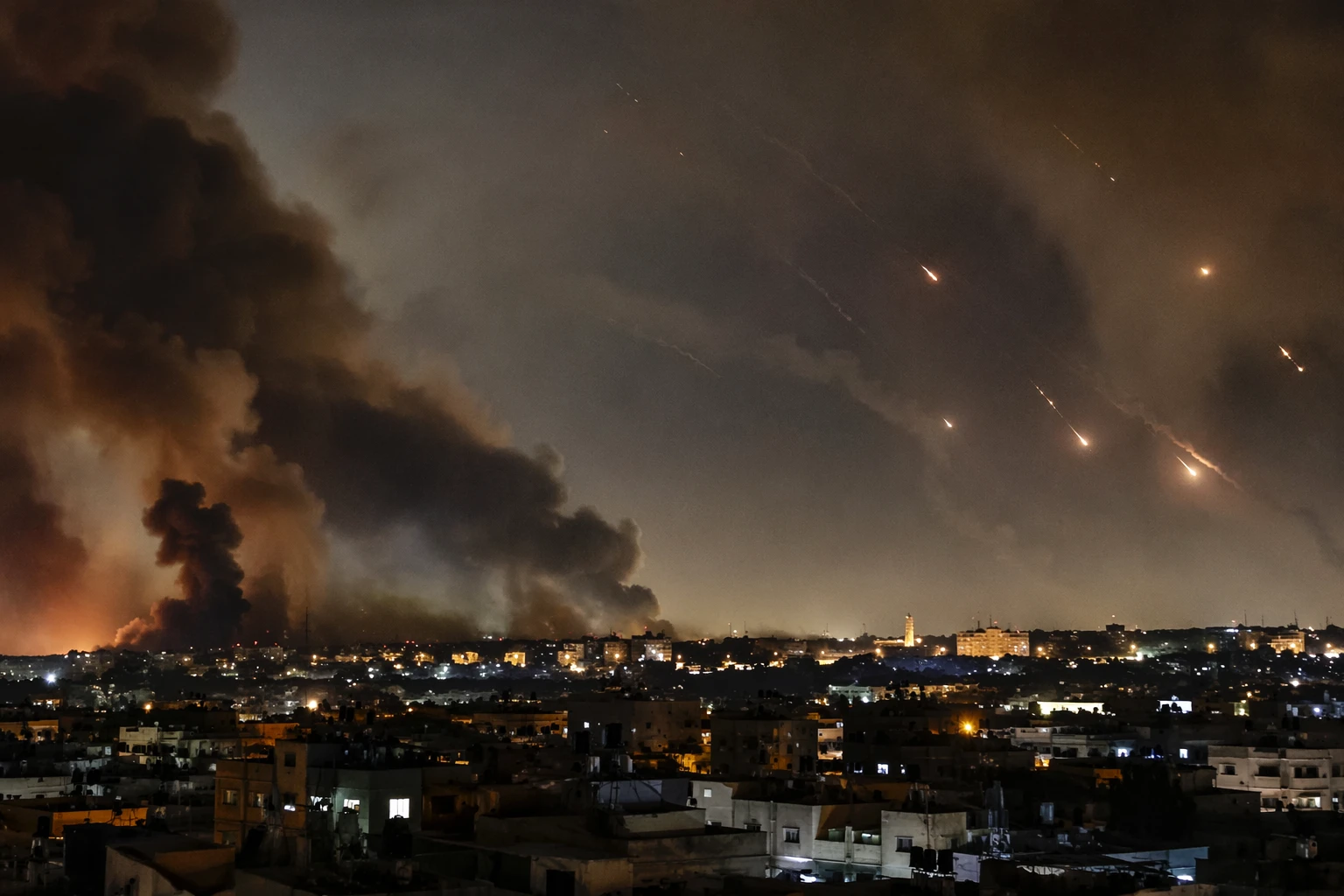
The attacks also came after fresh U.S. strikes and Washington’s revocation of a licence allowing Iran to sell oil in response to attacks on three tankers in the Strait of Hormuz. U.S. Central Command said its strikes had targeted Iranian surveillance, communications, air-defense, drone-storage and minelaying facilities, feeding a cycle of retaliation that now stretches across the Gulf.
The political response was immediate. Bahrain’s Foreign Ministry condemned what it called a dangerous escalation and repeated pattern of aggression, while Kuwait’s Foreign Ministry called the attacks a violation of its sovereignty. Donald Trump said the ceasefire was “over” after the renewed attacks, and NATO Secretary General Mark Rutte said the U.S. response was “absolutely necessary” if Iran was violating the ceasefire. At the same time, talks on an interim U.S.-Iran deal that included shipping arrangements, sanctions relief and the future of Iran’s highly enriched uranium stockpile were still set to resume Tuesday, leaving diplomacy under strain as the regional escalation widened.
Sources
- [1]nytimes.com
- [2]pbs.org
- [3]deccanherald.com
- [4]timesofisrael.com
- [5]cbc.ca
- [6]channelnewsasia.com
- [7]english.alarabiya.net