World
Iran talks to focus on sanctions relief, reconstruction fund, nuclear program
Iran’s nuclear program is only one piece of a wider bargain now being hammered out in Switzerland. The harder questions are financial and regional: how fast sanctions can be lifted, whether Tehran can regain access to frozen assets and oil sales, and whether a reconstruction fund can help pull Iran back into investment after years of isolation.
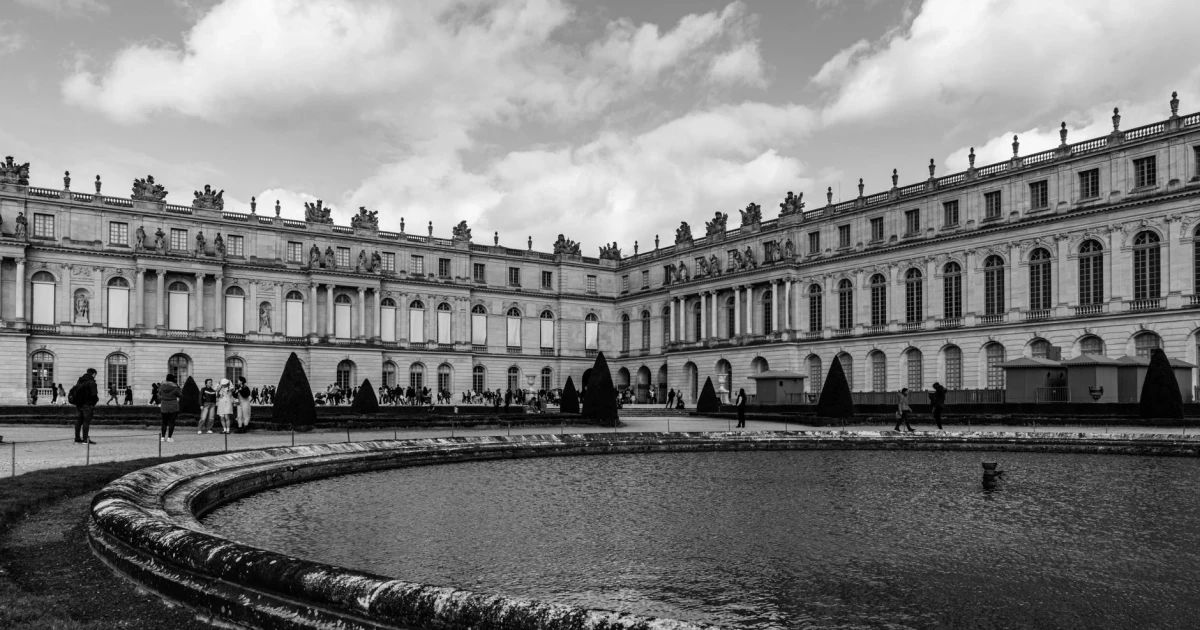
The interim memorandum signed June 17 by Donald Trump and Iranian President Masoud Pezeshkian at the Palace of Versailles set a 60-day negotiating window. Under the framework, Iran would dilute its stockpile of enriched uranium while the United States would lift sanctions, unfreeze funds and assets and allow Tehran to sell oil freely. The next round of talks is being led by Vice President JD Vance for Washington and by Iranian Foreign Minister Abbas Araghchi and parliamentary Speaker Mohammad Bagher Qalibaf, with Pakistan and Qatar helping mediate.
For Tehran, the economic payoff may matter as much as the nuclear cap. Iranian sources told Reuters that the government wants frozen funds released in stages and has pressed for immediate liquidity, while the framework now includes a proposed $300 billion private fund designed to trigger investment in energy, logistics, manufacturing and transport. One Reuters source said more than half the sum had already been committed by private-sector backers, making the deal as much a test of financing as diplomacy.
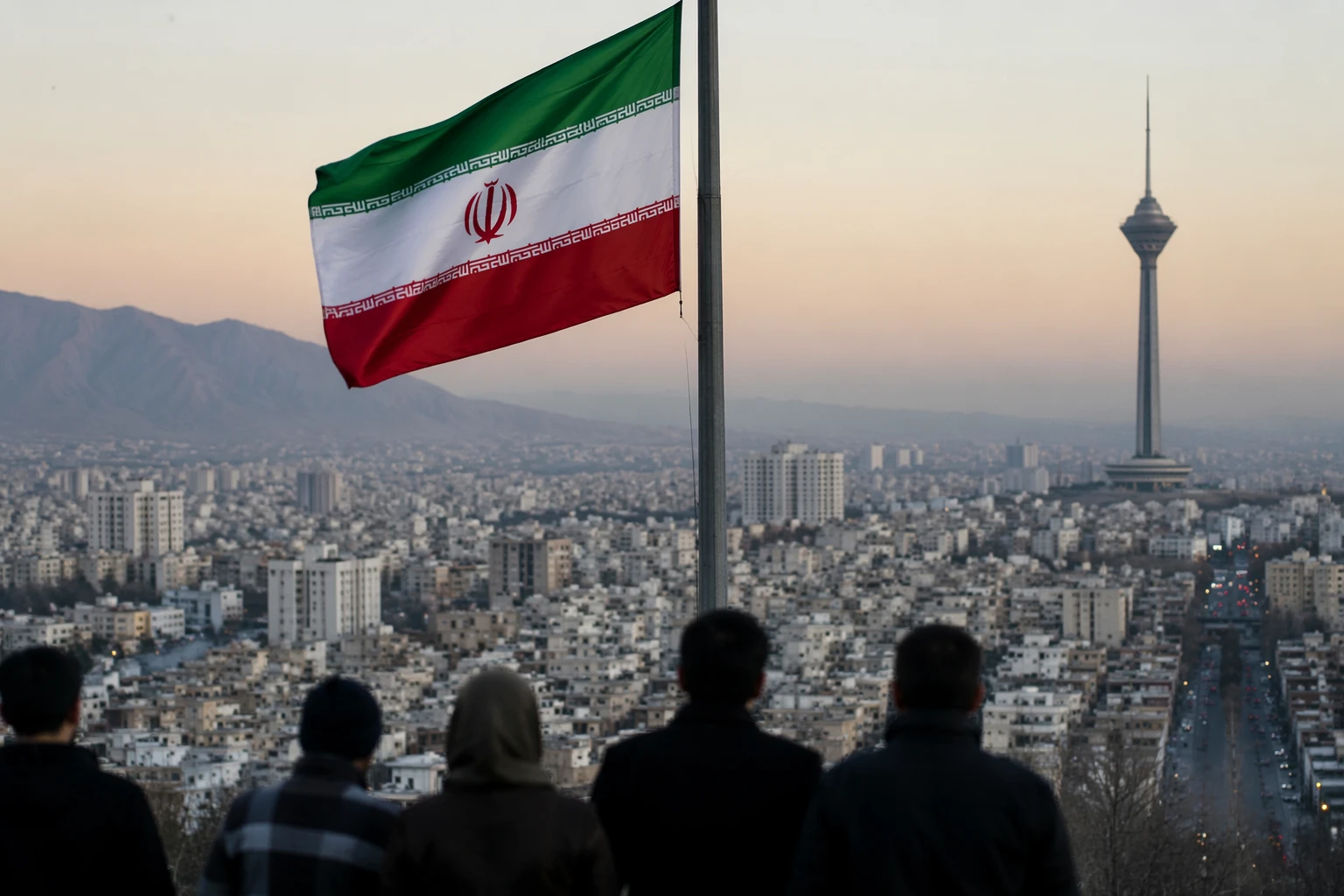
Regional stability has become a bargaining chip of its own. Iranian negotiators linked progress to the fighting in Lebanon, and AP reported that Tehran canceled plans to attend earlier talks after violence there escalated. The Strait of Hormuz remains central because the interim accord calls for toll-free travel and a reopening of the waterway, while Trump has threatened new tolls if a final deal is not reached within 60 days. For global energy markets, that means the negotiations could shape the flow of Gulf oil as much as the size of Iran’s uranium stockpile.
Sources
- [1]nytimes.com