Business
Iran Tensions and Trump Warnings Drive Oil Price Surge
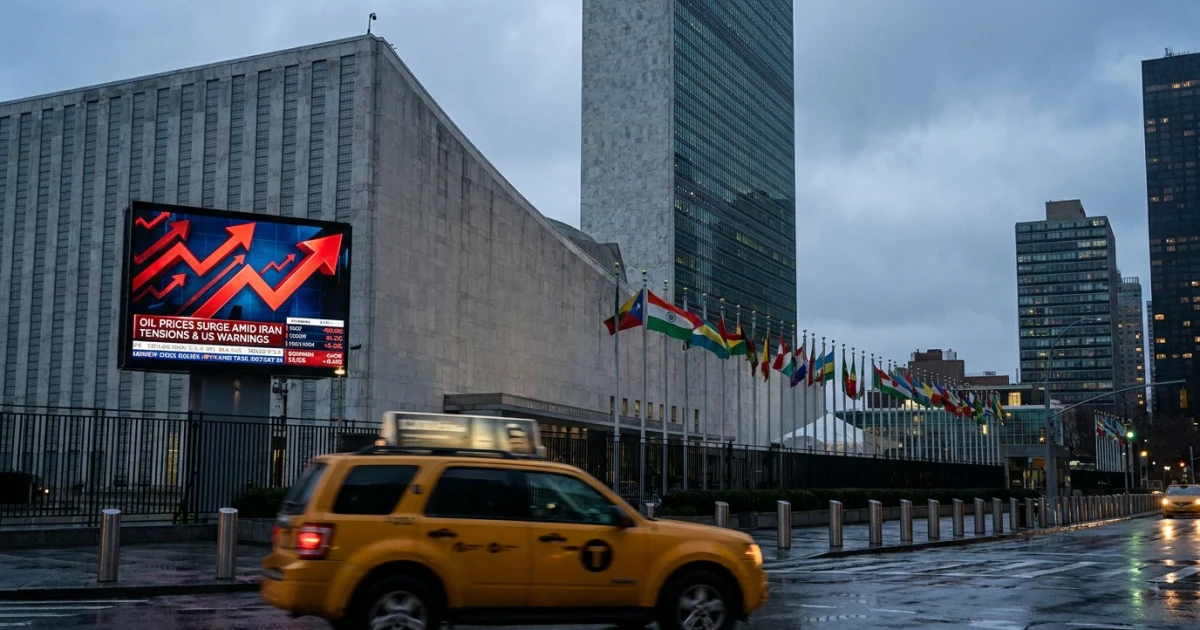
Brent crude oil prices remain elevated as fears of renewed conflict in Iran and fresh warnings from Donald Trump fuel global market volatility. While diplomatic efforts continue, the threat of a "re-escalation" in the region is keeping energy traders on edge and impacting economic forecasts worldwide.
Geopolitical Risks Push Oil Prices Higher
According to CBS News, oil prices surged after Trump issued a pointed warning to Iran, stating that "Clock is Ticking"—a phrase interpreted by markets as a sign of potential military action or increased sanctions. The heightened rhetoric comes amid persistent concerns about Iran's role in regional instability, particularly in light of its military forces and ongoing tensions with Western powers. These developments have forced traders to reassess risk, leading to a spike in Brent spot prices and volatility in crude oil futures.
- Brent crude spot prices have climbed sharply, reflecting concerns about supply disruption.
- Trump's warning has intensified speculation about new sanctions or military actions against Iran.
- Diplomatic efforts to de-escalate the situation have so far failed to reassure energy markets.
Diplomacy Stalls Amid Rising Tensions
Diplomatic negotiations, as reported by CBS News, have been slow to produce tangible results. The threat of war re-escalation has undermined efforts by European and American officials to stabilize the region. As talks falter, oil traders remain focused on the possibility of supply disruptions stemming from Iran, which is a major oil producer and exporter. For those seeking deeper background on Iran's military capabilities and their impact on regional security, the Council on Foreign Relations provides comprehensive analysis.
Market Impact and Oil Price Data
Recent market data shows a clear response to these geopolitical threats. Daily price charts from the U.S. EIA illustrate a sharp uptick in Brent crude prices, while CME Group crude oil futures reflect heightened trading volumes and volatility. The possibility of fresh UN Security Council sanctions has further contributed to uncertainty, with energy companies closely monitoring the situation for policy changes that could affect supply chains.
- Oil price volatility remains elevated due to unpredictable diplomatic and military developments.
- Sanctions and supply disruptions are among the top concerns for market participants.
- Global oil futures have seen increased trading activity as investors seek to hedge against risk.
Outlook: Persistent Uncertainty for Energy Markets
Looking ahead, the oil market is likely to remain sensitive to developments in Iran and to any further statements from Trump or other world leaders. The combination of stalled diplomacy and explicit threats has created an atmosphere of uncertainty, prompting analysts to maintain cautious forecasts for both spot and futures prices. For more detailed analysis of global oil market balances and supply-demand trends, consult the IEA Oil Market Report.
While the immediate future appears fraught with risk, market participants will continue to watch for signs of diplomatic progress or escalation. As CBS News notes, "re-escalation risks" and the unpredictability of political rhetoric are likely to keep oil prices high until a clearer path to stability emerges.