World
Iran tests Trump after funeral, raising risk of renewed war
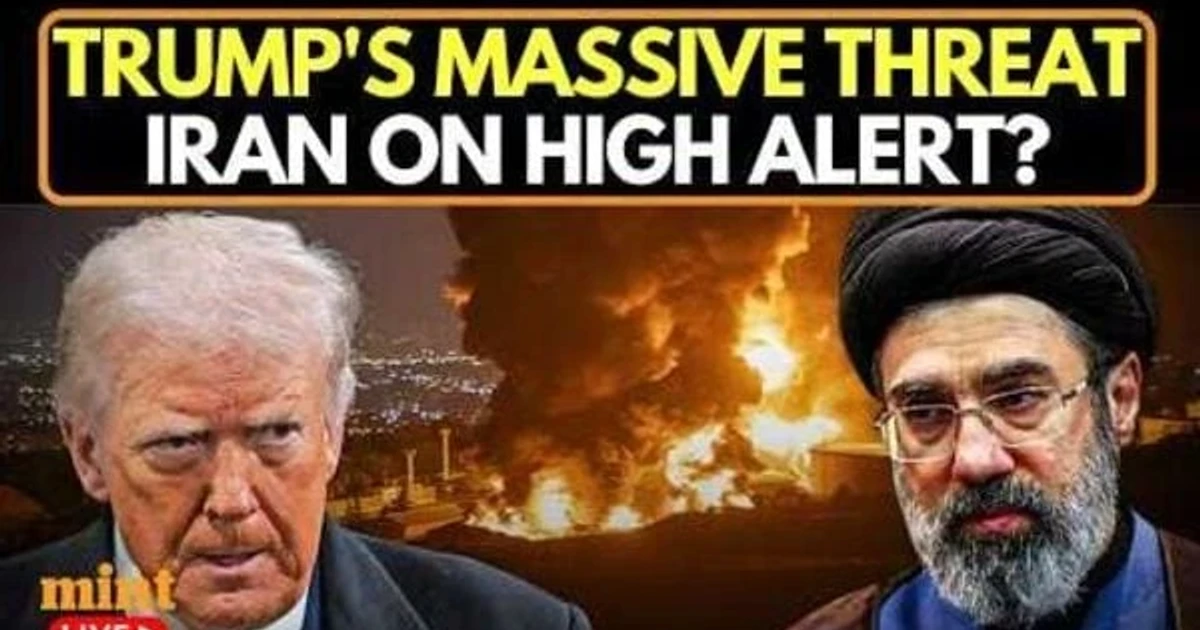
Iran’s Islamic Revolutionary Guard Corps said the Strait of Hormuz would be closed until further notice, accusing the United States of interfering in the waterway, a move that immediately raised the stakes for global shipping and for any further U.S.-Iran confrontation. The warning came as funeral rites for Iran’s slain supreme leader turned into a public display of regime unity, with senior officials appearing in the open for the first time since the war.
The political message sharpened on July 11, 2026, when Mojtaba Khamenei issued a written statement vowing vengeance for his father’s death. He called retaliation the "demand of the nation" and said it would "most certainly" be carried out, language that ties the succession drama to a promise of continued resistance. The younger Khamenei did not appear at his father’s funeral on July 10, intensifying speculation about his health and deepening questions about who is actually in control at the top of Iran’s system.
Donald Trump answered with his own escalation overnight, posting threats of further missile attacks against Iran after the funeral period and amid open calls for his killing. That exchange left the fragile U.S.-Iran interim deal with even less room to survive. The clearest path from rhetoric to renewed war now runs through two triggers: another U.S. strike on Iranian targets, or Iranian retaliation that hits American forces, shipping, or the Strait of Hormuz.
The diplomacy that produced the ceasefire already showed how narrow that margin was. Qatari mediators had played a central role in brokering the deal, and one plane carrying them was stranded on the tarmac in Tehran while negotiators worked through the night. Trump had at one point threatened to hit Iran "VERY HARD TONIGHT" before Qatar’s emir helped convince him to hold off on strikes, underscoring how quickly military orders and back-channel restraint can collide.
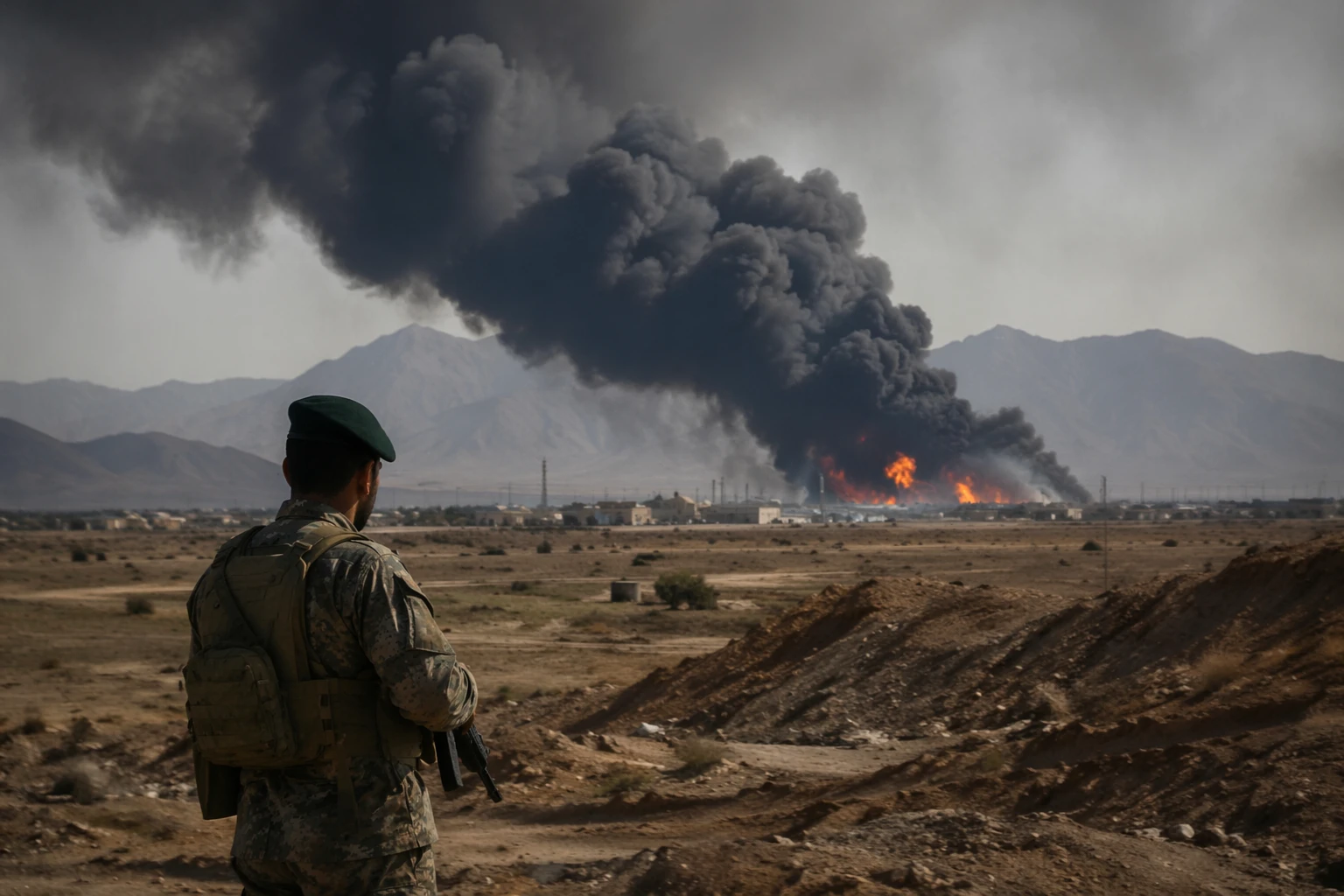
Iran’s funeral politics were built to project endurance. The theocracy planned a dayslong ceremony and hoped millions would attend, echoing the mass mourning that followed Ruhollah Khomeini’s burial in 1989. Processions in Najaf, Iraq, drew thousands of mourners on July 8, and NBC News reported that Ali Khamenei’s coffin was later transferred by helicopter to the Shrine of Imam Reza in Mashhad after streets were packed.
For now, the confrontation is still being staged through funerals, statements, and threats. But the next strike, the next tanker seizure, or a move to make good on the closure of Hormuz would turn this from symbolic defiance into another war.
Sources
- [1]news.google.com
- [2]washingtonpost.com
- [3]msn.com
- [4]pbs.org
- [5]nytimes.com
- [6]npr.org
- [7]nbcnews.com